Bob Crane investigation On June 29, 1978, beloved television star Bob Crane was found brutally murdered in his Scottsdale apartment, launching one of Hollywood’s most perplexing unsolved cases. Nearly five decades later, despite DNA testing, forensic advances, and a high-profile trial, the question remains: who killed Bob Crane?
Table of Contents
The Unsolved Murder That Shocked Hollywood
The morning of June 29, 1978, began like any other summer day in Scottsdale, Arizona. Victoria Berry, a business associate, arrived at the Winfield Place Apartments for a scheduled lunch meeting with Bob Crane. What she discovered behind the unlocked door would become one of the most sensational crimes in entertainment history.
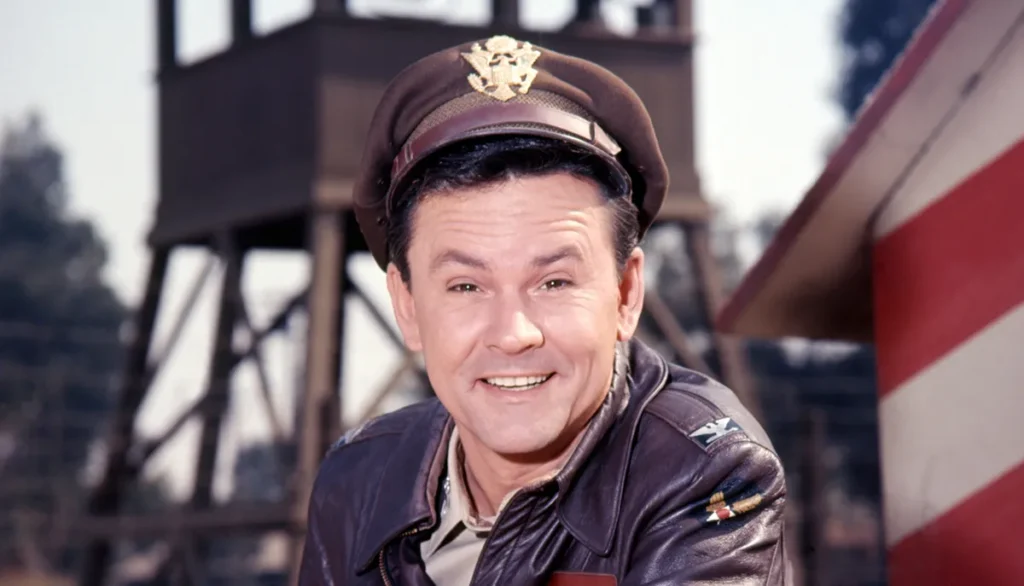
Bob Crane, the affable star of the hit sitcom Hogan’s Heroes, was found bludgeoned to death in his bed. The crime scene was horrific—two devastating blows to the head had killed him, and an electrical cord was wrapped around his neck. Blood splatter covered the walls and ceiling. There was no sign of forced entry, no evidence of robbery, and no clear motive for such brutal violence.
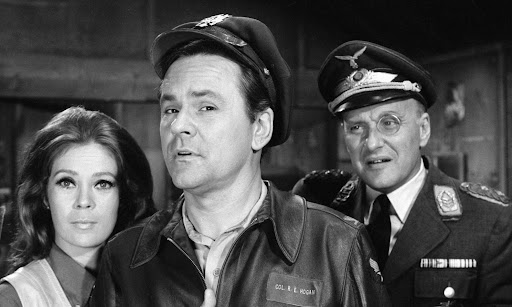
This wasn’t just another celebrity death. Bob Crane had been a household name, bringing laughter to millions of Americans every week as the clever Colonel Hogan who outwitted bumbling Nazi captors. His murder represented the dark underbelly of fame, sex addiction, and obsession.
Nearly 50 years later, advances in DNA technology have revealed shocking discoveries, yet the case remains officially unsolved. The Scottsdale Police Department continues to list it as an active cold case, with new forensic techniques offering hope that justice may finally be served.
Who Was Bob Crane? From Radio Star to Hogan’s Heroes Icon
Early Career and Rise to Fame
Before Bob Crane became a television icon, he was one of the most popular radio personalities in Los Angeles. His quick wit, charm, and musical talent made him a natural entertainer. He played drums professionally and brought an infectious energy to his radio broadcasts that captivated listeners throughout Southern California.
In 1965, Crane’s life changed forever when he landed the role of Colonel Robert Hogan in CBS’s Hogan’s Heroes. The sitcom, set in a German prisoner-of-war camp during World War II, was an unlikely comedy hit. Crane’s portrayal of the resourceful, wisecracking American colonel who constantly outmaneuvered his captors made him a star. The show ran for six successful seasons from 1965 to 1971, earning Crane two Emmy nominations and cementing his place in television history.
At the height of Hogan’s Heroes, Crane was earning substantial money and enjoying the perks of celebrity. He seemed to have it all—a successful career, a family, and the adoration of millions of fans. But when the show ended in 1971, Crane’s career trajectory took a downward turn that would eventually lead him to Scottsdale, Arizona, and his untimely death.
The Dark Side of Stardom
After Hogan’s Heroes ended, Bob Crane struggled to find comparable success. Hollywood’s typecasting machine made it difficult for him to land serious dramatic roles, and he found himself relegated to dinner theater circuits across the country. While this was a significant step down from network television, Crane threw himself into these performances with professionalism and enthusiasm.
However, Crane had developed a dark obsession that would ultimately define his legacy and possibly lead to his murder. He had become addicted to documenting his numerous sexual encounters on videotape—a highly unusual practice in the pre-internet 1970s, when video technology was expensive and uncommon. This compulsive behavior was facilitated and encouraged by his friend John Henry Carpenter, a video equipment salesman who supplied Crane with the latest recording technology.
Carpenter and Crane developed an unusual friendship built around their shared interest in casual sexual encounters and videotaping. They would frequent bars and nightclubs, meet women, and document their activities.
This behavior strained Crane’s marriages, damaged his reputation, and created a web of relationships that would later complicate the murder investigation. Friends and colleagues increasingly distanced themselves from Crane as rumors of his dark obsession spread throughout Hollywood.
June 29, 1978: The Night Everything Changed
Timeline of Bob Crane’s Final Hours
Bob Crane was in Scottsdale performing in the dinner theater production of “Beginner’s Luck” at the Windmill Dinner Theatre. On June 28, 1978—the last full day of his life—Crane went through what appeared to be a normal routine. He performed his show that evening, receiving the applause he’d grown accustomed to over his long career.
After the performance, Crane met John Carpenter for dinner at a local restaurant. Witnesses later reported that the dinner seemed tense. According to multiple sources, Crane had decided to end his friendship with Carpenter. He had recently become concerned that his association with Carpenter was damaging his career prospects and personal relationships. Some reports suggest Crane told Carpenter explicitly during this dinner that their friendship was over and they should stop their activities together.
The confrontation about ending their friendship would prove crucial to the investigation. Carpenter was reportedly upset by Crane’s decision. The two men parted ways after dinner, with Carpenter claiming he went directly to the airport to catch a flight back to Los Angeles. However, the exact timeline of Carpenter’s movements that night would become a central question in the investigation.
Crane returned alone to his apartment at the Winfield Place Apartments sometime after 2:00 AM. Multiple neighbors reported hearing nothing unusual during the night—no screams, no sounds of struggle, no indication of the horrific violence that was occurring just feet away from their own bedrooms.
Discovery of the Crime Scene
Victoria Berry arrived at Crane’s apartment around 2:00 PM on June 29th for their scheduled lunch meeting. When Crane didn’t answer her knocks, she found the door unlocked—an unusual circumstance that should have been a warning sign. Berry entered the apartment calling out for Crane.
What she discovered in the bedroom has been seared into the minds of everyone connected to this case. Bob Crane lay in his bed, clearly deceased, with massive head trauma. Blood had sprayed across the walls and ceiling. An electrical cord, later identified as a video camera cord, was tied around his neck in what appeared to be an attempt to stage the scene or send a message.
Berry immediately fled the apartment and called the police from a neighboring unit. Within minutes, Scottsdale police arrived at what would become one of the most scrutinized crime scenes in Arizona history—and unfortunately, one of the most badly mishandled.
The Murder Details
The medical examiner determined that Crane had been killed by blunt force trauma—two powerful blows to the left side of his head delivered while he slept. The weapon appeared to be something heavy and smooth, possibly a camera tripod, though the actual murder weapon was never recovered. The force of the blows indicated rage and personal animosity rather than a professional hit or random attack.
The electrical cord wrapped around Crane’s neck puzzled investigators. It wasn’t tight enough to have caused strangulation, leading experts to believe it was placed there after death, possibly to stage the scene or as a symbolic gesture. The cord was later identified as belonging to video equipment—eerily connecting the murder to Crane’s obsession with videotaping.
There was no evidence of forced entry into the apartment. The door showed no signs of being jimmied or broken. This crucial detail suggested that Crane either knew his killer well enough to let them in voluntarily, or the killer had a key, or Crane had left the door unlocked—though friends insisted he was normally quite security-conscious.
Perhaps most mysteriously, a camera tripod that Crane regularly used was missing from the apartment. Investigators theorized this may have been the murder weapon, removed by the killer to dispose of evidence. Additionally, investigators noted that obvious attempts had been made to wipe down surfaces in the apartment, suggesting the killer had tried to eliminate fingerprints and other physical evidence.
The Investigation: Following the Blood Trail
Early Investigation Challenges
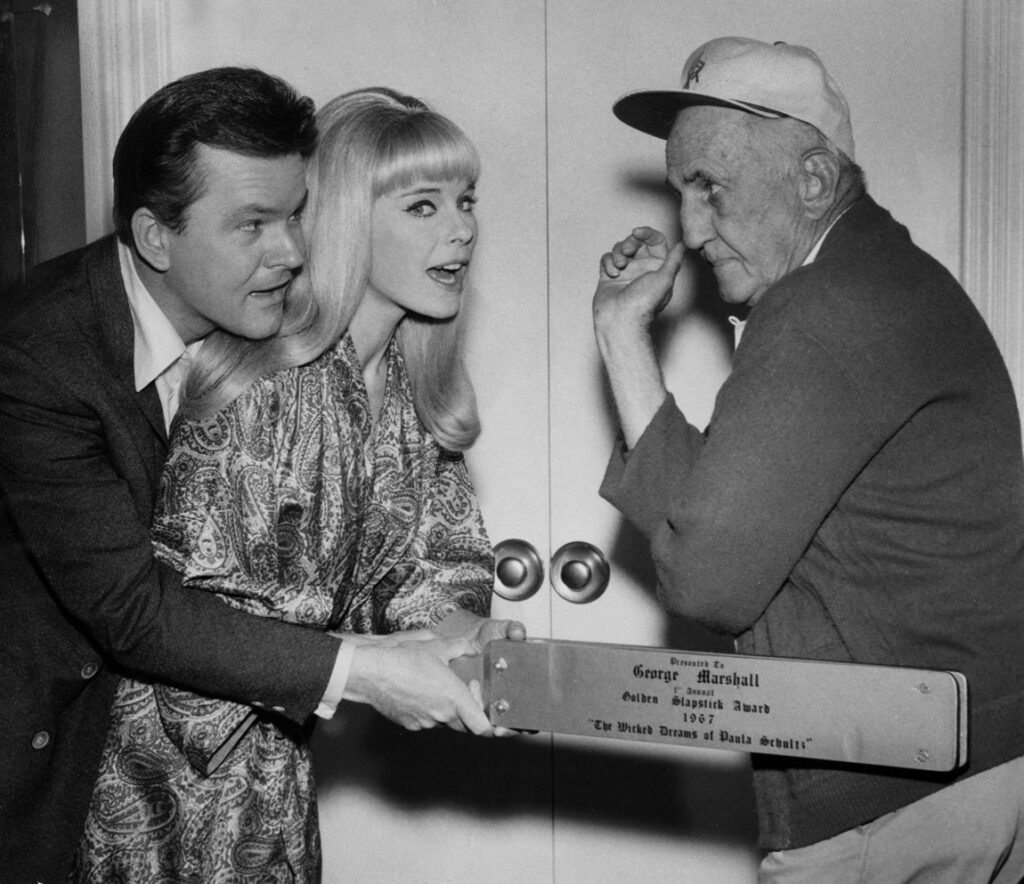
The Scottsdale Police Department faced immediate challenges that would hamper the investigation for decades. In 1978, Scottsdale was primarily a resort community without significant violent crime experience. The department had no dedicated homicide division, and the detectives assigned to the case had limited experience with complex murder investigations.
The crime scene was almost immediately contaminated by a parade of people entering and exiting the apartment. Police officers, medical examiners, photographers, and even media personnel tracked through the scene before proper protocols could be established. The medical examiner reportedly stepped over Crane’s body to use the telephone in the apartment—an unthinkable breach of crime scene integrity by today’s standards.
Evidence collection was haphazard. Important items were photographed but not always properly cataloged. Chain of custody protocols that would be standard today were not strictly followed. This contamination and mishandling would have devastating consequences when the case eventually went to trial sixteen years later.
John Henry Carpenter Emerges as Prime Suspect
Within hours of discovering the murder, investigators identified John Henry Carpenter as their prime suspect. Carpenter was a video equipment salesman based in Los Angeles who had developed an intense friendship with Bob Crane based on their shared interest in sexual encounters and videotaping.
Carpenter had been the last known person to see Crane alive—they had dinner together on the evening of June 28th. Multiple witnesses reported that Crane had told Carpenter their friendship was over during this final meeting. For Carpenter, who seemed to idolize the celebrity and live vicariously through their shared activities, this rejection may have triggered a violent response.
Carpenter’s behavior after the murder raised red flags. He showed unusual knowledge of details about the crime scene before they were publicly released. He made suspicious statements to multiple people. His alibi for the crucial hours between dinner and his flight to Los Angeles had inconsistencies. Most critically, investigators discovered physical evidence linking Carpenter to the crime.
The Rental Car Evidence
The most damning evidence against John Carpenter came from an unexpected source: his rental car. Carpenter had rented a vehicle during his stay in Arizona and returned it to the rental agency on the morning after the murder, before Crane’s body was discovered. A sharp-eyed rental car employee noticed what appeared to be blood smears in the vehicle and reported it to police.
Investigators examined the car and found blood on the interior—specifically on the passenger side of the vehicle. Blood typing analysis showed the blood matched Bob Crane’s blood type (Type B). While this wasn’t definitive proof in 1978—millions of people share the same blood type—it was significant circumstantial evidence.
Even more intriguing, crime scene photographs taken of the rental car interior appeared to show a small piece of what might be brain tissue. However, this potential evidence was never properly preserved. The tissue sample, if it ever truly existed, was lost before DNA technology could analyze it—becoming one of the most frustrating “what ifs” in the entire investigation.
The rental car evidence presented investigators with a compelling narrative: Carpenter killed Crane in a rage after being rejected, got blood in his rental car while fleeing the scene, and then returned the car hoping no one would notice before leaving Arizona.
The Long Road to Trial: 1978-1994
Why Charges Weren’t Filed Initially
Despite Carpenter emerging as the prime suspect within days of the murder, Maricopa County prosecutors declined to file charges in 1978. The reason was simple: the evidence, while suspicious, was entirely circumstantial. Without DNA technology, blood type matching alone wasn’t enough for a conviction.
Prosecutors explained that they needed more than just opportunity and suspicious behavior. They needed physical evidence definitively linking Carpenter to the murder, or witness testimony placing him at the scene. They had neither. The blood in the rental car matched Crane’s type, but so did the blood of approximately 9% of the population.
The District Attorney’s office also recognized the crime scene contamination problems would make any prosecution challenging. Defense attorneys would have a field day with the sloppy evidence collection and handling. The decision was made to continue investigating rather than rush to trial with a weak case.
John Carpenter returned to Los Angeles, aware he was the prime suspect but legally free. For twelve years, the case went cold as Carpenter lived his life while Crane’s family sought answers and justice.
Case Reopened in 1990
In 1990, investigators Barry Vassall and Jim Raines of the Scottsdale Police Department decided to take a fresh look at the Bob Crane murder. New forensic technologies were emerging, and they believed modern techniques might unlock evidence that 1978 technology couldn’t detect.
The reinvestigation proved revelatory. Vassall and Raines meticulously re-examined all the old evidence, including crime scene photographs that had been sitting in storage for over a decade. Using modern photo enhancement techniques, they were able to see details in the images that original investigators had missed.
One critical discovery came from enhanced photographs of the rental car interior. The images appeared to show biological material that could potentially be tested with newer DNA technology. This discovery, combined with re-interviews of witnesses and a more sophisticated understanding of the relationship between Crane and Carpenter, gave prosecutors renewed confidence.
The case gained new momentum. Media attention increased. Crane’s family, particularly his son Bob Crane Jr., became vocal advocates for bringing charges against Carpenter. After years of frustration, it seemed justice might finally be within reach.
The 1994 Murder Trial
In 1994—sixteen years after Bob Crane’s murder—John Carpenter was finally arrested and charged with first-degree murder. The trial became a media sensation, with Court TV broadcasting proceedings and newspapers across the country covering every development.
The prosecution built their case on circumstantial evidence: Carpenter’s presence in Scottsdale, his relationship with Crane, the dinner confrontation about ending their friendship, the blood in the rental car, his suspicious behavior after the murder, and his inconsistent statements. They presented testimony from multiple witnesses and crime scene experts.
Bob Crane Jr. provided particularly emotional testimony about his father’s decision to end the friendship with Carpenter. He described how his father had recognized the relationship was destructive and was trying to rebuild his life and reputation. The prosecution argued this rejection was Carpenter’s motive for murder.
The defense attacked the circumstantial nature of the evidence. They highlighted the contaminated crime scene, the lost tissue samples, the lack of DNA evidence definitively linking Carpenter to the murder, and the sixteen-year delay in bringing charges. They argued that Carpenter was being prosecuted simply because he was the most convenient suspect, not because the evidence proved his guilt beyond reasonable doubt.
After deliberating, the jury returned a verdict: not guilty. John Carpenter walked free. The evidence, while suspicious, simply wasn’t strong enough to overcome reasonable doubt. The verdict devastated Crane’s family and left the case officially unsolved. Carpenter maintained his innocence until his death in 1998, never confessing or providing any closure to the mystery.
DNA Testing Evolution: Three Generations of Forensic Science
1978: No DNA Technology Available
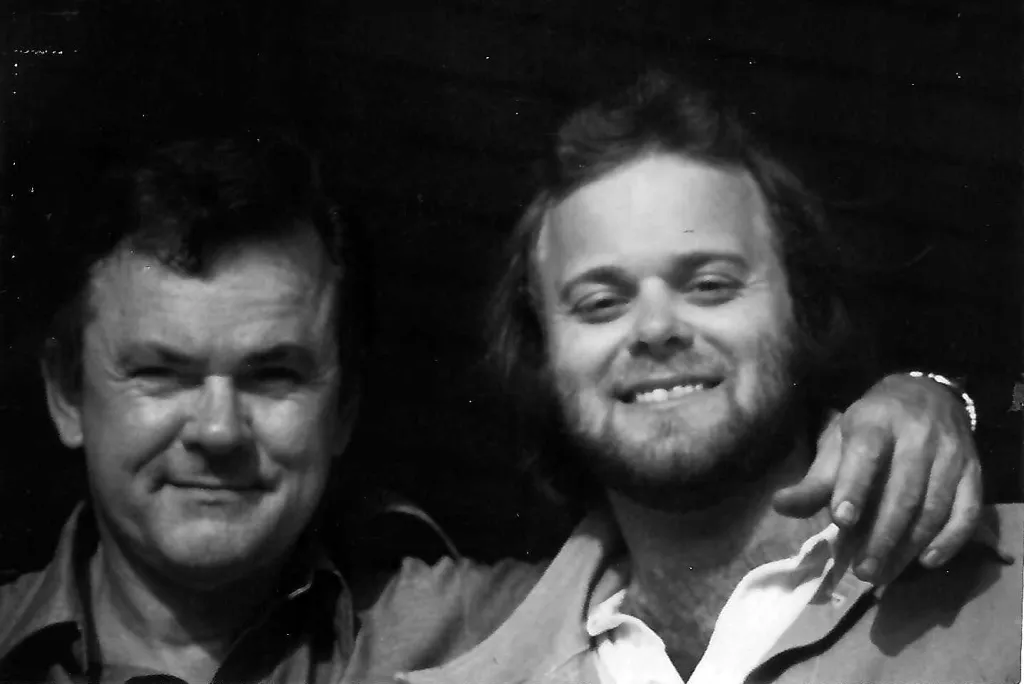
When Bob Crane was murdered in 1978, DNA fingerprinting hadn’t been invented yet. Sir Alec Jeffreys wouldn’t develop the technique until 1984. The only forensic blood analysis available to Scottsdale investigators was blood typing—a method that could narrow down suspects but couldn’t provide definitive identification.
Blood typing could determine that the blood in Carpenter’s rental car was Type B, matching Crane’s blood type. But this merely placed Carpenter in a group with millions of other people. It wasn’t the smoking gun prosecutors needed. The limitations of 1970s forensic science meant that physical evidence that might solve the case today was essentially useless in 1978.
Investigators also lacked the sophisticated crime scene analysis techniques common today. Blood spatter pattern analysis, luminol testing for cleaned blood, and trace evidence collection were all in their infancy. The tools that modern cold case investigators take for granted simply didn’t exist when Bob Crane was killed.
1990s: Early DNA Testing Proves Inconclusive
When the case was reopened in 1990, investigators hoped that emerging DNA technology could finally crack the case. They sent samples of the blood from Carpenter’s rental car to forensic laboratories for DNA analysis. Unfortunately, the results were disappointing.
The blood samples had degraded significantly over the twelve years since the murder. DNA requires relatively intact biological material to produce a viable profile. The samples had been improperly stored, exposed to temperature fluctuations, and were simply too old for the DNA technology of the early 1990s to produce conclusive results.
The testing could neither confirm nor exclude Carpenter as the source of the blood. This inconclusive result was devastating for prosecutors. They had hoped DNA would be the definitive evidence that blood typing couldn’t provide, but the technology still wasn’t advanced enough to overcome the degradation and contamination of the samples.
2016: John Hook’s Investigation and Advanced Testing
In 2016, investigative journalist John Hook from Fox 10 Phoenix conducted an extensive investigation into the Bob Crane murder for his book “Who Killed Bob Crane?” Hook gained unprecedented access to evidence and crime scene materials that had been preserved for decades.
Working with Bode Cellmark Forensics—one of the leading DNA testing laboratories in the world—Hook arranged for advanced DNA testing on remaining samples from the rental car. The technology available in 2016 was exponentially more sophisticated than what existed in the 1990s. Scientists could now extract DNA profiles from tiny amounts of degraded biological material.
The results were shocking: the DNA testing revealed the presence of an unknown male’s DNA in the rental car blood samples. The profile didn’t match Bob Crane. More significantly, it didn’t match John Carpenter either. The person who left that DNA evidence was someone else entirely—someone who had never been identified or investigated.
This revelation turned the case on its head. For nearly forty years, the investigation had focused almost exclusively on John Carpenter. The assumption had always been that Carpenter killed Crane, got blood in his rental car during the crime, and then fled. But the DNA evidence suggested a far more complex scenario.
Unfortunately, all remaining samples were consumed during this testing process. There is no biological evidence left to re-test with future, even more advanced technologies. The 2016 testing represented the last opportunity to extract information from these crucial samples, and it raised more questions than it answered.
Modern Forensic Techniques That Could Help Solve the Case
Advances in Touch DNA Analysis
One of the most significant developments in forensic science since 2016 has been improvements in touch DNA analysis. This technique can extract DNA profiles from skin cells left behind when someone touches an object—even if they didn’t leave visible fingerprints or bodily fluids.
Items from the Crane crime scene that were never tested for DNA could potentially yield results today. The electrical cord wrapped around Crane’s neck, doorknobs in the apartment, light switches, or other surfaces the killer likely touched might contain recoverable DNA. Even after decades, touch DNA has been successfully recovered from cold case evidence in climate-controlled storage.
The challenge is that much of the crime scene evidence from 1978 was not preserved properly or may have been contaminated during the initial investigation. However, any remaining physical evidence from the apartment could theoretically be re-examined using modern touch DNA techniques.
Forensic Genealogy and Genetic Databases
The technique that solved the Golden State Killer case in 2018—forensic genetic genealogy—could potentially identify the unknown male whose DNA was found in Carpenter’s rental car. This revolutionary approach compares crime scene DNA to genetic genealogy databases like GEDmatch, identifying distant relatives of the suspect and then building family trees to narrow down potential matches.
If investigators could develop a more complete DNA profile of the unknown male from any remaining evidence, they could upload it to genealogy databases. Even a partial match to a third or fourth cousin could provide investigative leads that didn’t exist in 2016.
The challenge is that the 2016 testing consumed all remaining biological samples. Unless additional evidence can be located—perhaps in stored crime scene items that weren’t tested previously—there may be no DNA left to analyze using genetic genealogy techniques.
Digital Enhancement of Crime Scene Photography
Modern digital enhancement technology has made enormous strides since the 1990s investigation. Crime scene photographs from 1978 could be digitally enhanced using artificial intelligence and machine learning algorithms to reveal details invisible to the naked eye or even to earlier enhancement techniques.
These enhanced images might show evidence that was photographed but never noticed—blood spatter patterns that reveal the killer’s position, trace evidence that wasn’t collected, or details about the crime scene staging that could provide investigative leads.
Several cold cases have been advanced by modern analysis of old photographs. Items in the background of photos, reflections in mirrors or windows, and enhanced views of evidence can all provide new investigative directions even without new physical evidence.
Blood Spatter Pattern Analysis
Blood spatter pattern analysis has evolved significantly since 1978. Modern experts can examine crime scene photographs and determine with remarkable accuracy the position of the attacker, the type of weapon used, the sequence of blows, and whether the scene was staged after the murder.
Re-analyzing the Crane crime scene photographs using contemporary blood spatter analysis techniques might provide insights that weren’t available to 1978 investigators. The pattern of blood on the walls, ceiling, and bedding could reveal whether the electrical cord was placed before or after death, whether Crane was awake or asleep when attacked, and the approximate height and position of his attacker.
This type of analysis wouldn’t identify the killer, but it could either support or refute various theories about what happened that night, potentially eliminating certain suspects or scenarios.
The Unknown Male DNA: Who Was He?
Alternative Theories Revisited
The discovery of unknown male DNA in the rental car has forced investigators and researchers to reconsider alternative theories that were largely dismissed when Carpenter was the sole focus.
- The Victoria Berry Theory: Some investigators have questioned whether Victoria Berry, the woman who discovered Crane’s body, might know more than she disclosed. While there’s no evidence suggesting she was involved in the murder itself, some theorists have wondered if she might have known who the killer was or if she had a relationship with Crane that hasn’t been fully explored. However, the unknown male DNA would seem to point toward a male perpetrator, not Berry herself.
- The Jealous Partner Theory: Bob Crane’s lifestyle involved numerous sexual encounters with various women. Could a jealous husband or boyfriend have discovered Crane’s involvement with his partner and sought revenge? This theory would explain the personal, rage-filled nature of the attack. The unknown male DNA could belong to such an individual who was never identified or investigated because the focus was on Carpenter.
- The Richard Dawson Connection: Actor Richard Dawson, Crane’s Hogan’s Heroes co-star, had a complicated relationship with Crane. Some have speculated about whether professional jealousy or personal conflicts might have played a role. However, there’s no substantial evidence connecting Dawson to the murder, and he was never seriously investigated as a suspect.
- The Unknown Associate Theory: Crane and Carpenter’s activities brought them into contact with numerous people—women they met, business associates, people in the video equipment industry. Could the unknown male DNA belong to someone in this circle who had a motive that investigators never discovered?
The Rental Car Evidence Reconsidered
The unknown male DNA raises profound questions about the rental car evidence. If the blood in the car didn’t come from Bob Crane and didn’t come from John Carpenter, then what was it? Several possibilities exist:
- Pre-existing contamination: The blood might have been in the car before Carpenter rented it, from a previous customer. Rental car companies in 1978 may not have cleaned vehicles as thoroughly as they do today.
- Carpenter’s unknown companion: Carpenter might have had someone else in his rental car who was injured or who transported something with blood on it, completely unrelated to the Crane murder.
- Third party involvement: Most intriguingly, there might have been a third person involved in the crime whose role has never been understood—someone who rode in Carpenter’s car around the time of the murder.
- Evidence mishandling: Given the crime scene contamination issues, it’s possible the blood samples were mislabeled or contaminated at some point, though this seems less likely given proper laboratory protocols.
The truth is that the unknown male DNA has transformed the rental car evidence from the prosecution’s strongest piece of evidence into yet another mystery in a case filled with unanswered questions.
The Evidence That Never Made It to Trial
Lost and Contaminated Evidence
The Bob Crane investigation is a case study in how not to handle evidence. Multiple critical items were either lost, contaminated, or destroyed before they could be properly analyzed:
- The Missing Camera Tripod: Investigators theorized that a camera tripod—the type Crane used for his video equipment—was the murder weapon. A tripod belonging to Crane was missing from the apartment and never recovered. If found today, it could potentially be tested for DNA, fingerprints, or microscopic blood evidence that might identify the killer.
- The Lost Brain Tissue Sample: Perhaps most frustratingly, the possible brain tissue photographed in Carpenter’s rental car was never properly preserved. If it was indeed brain tissue, it could have been definitively matched to Crane, proving the rental car’s connection to the crime. Instead, it became a “might have been” that haunts the investigation.
- Bob’s Black Bag Disappearance: Crane reportedly kept a black bag containing videotapes and photographs of his encounters. This bag was missing from the apartment after the murder. If the killer took it, this suggests a motive related to Crane’s videotaping activities—perhaps someone wanted to retrieve tapes featuring themselves or someone they knew.
- The Missing Pornography Book: A book of pornographic photographs that Crane allegedly kept was never found. Like the black bag, its disappearance suggests the killer was searching for something specific, possibly evidence of their own involvement in Crane’s activities.
The Crime Scene Mistakes
Beyond lost evidence, the investigation was compromised by fundamental errors in crime scene management:
- The Unlocked Door Mystery: Victoria Berry found the apartment door unlocked, which was unusual according to people who knew Crane’s habits. Did the killer leave it unlocked? Did Crane forget to lock it? Or did someone enter after the murder and before Berry arrived? This question was never adequately resolved.
- Multiple People Contaminating the Scene: Before proper crime scene protocols were established, numerous people entered and exited the apartment—police officers, medical examiners, photographers, and possibly others. Each person potentially compromised evidence, tracked in foreign materials, or disturbed the scene in ways that made reconstruction difficult.
- Medical Examiner Climbing Over the Body: In what would be considered an inexcusable breach today, the medical examiner stepped over Crane’s body to use the telephone in the apartment. This action potentially disturbed blood evidence, fiber evidence, and the position of the body.
- Phone Calls from the Crime Scene: Multiple phone calls were made from the apartment’s phone before it was properly documented as evidence. These calls potentially destroyed fingerprint evidence on the phone and receiver.
These mistakes weren’t the result of malice but rather inexperience and the limited understanding of forensic science in 1978. However, their consequences have reverberated through nearly five decades of investigation.
Cultural Impact and Media Coverage
Auto Focus (2002 Film)
In 2002, director Paul Schrader brought Bob Crane’s story to the big screen with “Auto Focus,” starring Greg Kinnear as Crane and Willem Dafoe as John Carpenter. The film was a dark, unflinching examination of Crane’s descent into sex addiction and the toxic friendship that may have led to his murder.
Greg Kinnear’s performance as Crane was widely praised for capturing both the charm that made him a television star and the compulsive behavior that destroyed his life. Willem Dafoe portrayed Carpenter as an increasingly creepy hanger-on, living vicariously through Crane’s celebrity while enabling and documenting his obsessions.
However, the film generated significant controversy over its accuracy. Bob Crane Jr. publicly criticized “Auto Focus” for what he considered a sensationalized and unfair portrayal of his father. He argued that the film focused excessively on his father’s dark obsession while minimizing his talents, his kindness, and the positive aspects of his personality.
The movie also faced criticism for presenting John Carpenter as guilty despite his acquittal. While the film includes a disclaimer that the murder remains unsolved, its narrative clearly points to Carpenter as the killer. Some felt this was inappropriate given the “not guilty” verdict.
Despite these controversies, “Auto Focus” brought renewed attention to the case and introduced a new generation to the Bob Crane mystery. It remains a compelling, if deeply unsettling, examination of how fame and obsession can lead to tragedy.
Books and Documentaries
The Bob Crane murder has been the subject of numerous books and documentaries, each offering different perspectives on the case:
- Robert Graysmith’s “The Murder of Bob Crane” (1993): This book by the author of “Zodiac” provided one of the first comprehensive examinations of the murder investigation. Graysmith had access to police files and witnesses, creating a detailed timeline of events. The book was instrumental in renewing public interest that led to the 1994 trial.
- John Hook’s “Who Killed Bob Crane?” (2016): Investigative journalist John Hook’s book includes revelations from the 2016 DNA testing. Hook’s unprecedented access to evidence and his relationship with investigators make this one of the most authoritative accounts. The book details the DNA findings that revealed unknown male DNA, fundamentally changing understanding of the case.
- Bob Crane Jr.’s “Crane: Sex, Celebrity, and My Father’s Unsolved Murder” (2015): Crane’s son provides a personal perspective on his father’s life and death. The book offers intimate details about the family’s suffering, the impact of his father’s obsession on their relationships, and his quest for justice. It provides crucial context often missing from other accounts.
- Television True Crime Specials: The case has been featured on numerous true crime television programs including “48 Hours,” “Unsolved Mysteries,” “Investigation Discovery” specials, and multiple documentary series. Each examination tends to focus on different aspects—the Hollywood angle, the forensic science, the trial, or the ongoing mystery.
These various media treatments have kept the Bob Crane case in public consciousness, ensuring that new generations learn about the unsolved murder and that pressure remains on investigators to find answers.
Where the Investigation Stands Today
Active Cold Case Status
The Bob Crane murder remains an officially open and active cold case with the Scottsdale Police Department. Despite nearly five decades passing since that brutal night in 1978, the case has never been closed. Detectives continue to review evidence periodically, and any new leads or tips are investigated.
The Maricopa County Attorney’s Office has stated that the case could potentially be prosecuted if new evidence emerges. There is no statute of limitations for murder in Arizona, meaning that even if the killer is identified decades from now, they can still be charged and tried for the crime.
Rick Romley, who was Maricopa County Attorney during the 1994 trial, has stated publicly that he remains convinced John Carpenter was guilty despite the acquittal. However, Carpenter’s death in 1998 means he can never be retried under double jeopardy protections, even if new evidence were to emerge pointing definitively to his guilt.
Remaining Questions
Several fundamental questions continue to perplex investigators and researchers:
Why was there no forced entry?
This suggests Crane either knew his killer well enough to let them in voluntarily, the killer had a key, or Crane left the door unlocked. Each scenario points to different possibilities about the killer’s identity and relationship to Crane.
What was the actual murder weapon?
The missing camera tripod seems the most likely candidate, but it has never been found. Without recovering the weapon, investigators lack a critical piece of physical evidence that could contain DNA, fingerprints, or other identifying information.
Who was the unknown male whose DNA was in the rental car?
This may be the most important question. Was this person the killer? A witness? Someone completely unrelated to the crime? Until this individual is identified, a major piece of the puzzle remains missing.
What happened to the missing evidence?
The black bag with videotapes, the pornography book, and potentially other items were removed from the apartment. What was the killer looking for? Did they find it? Were they trying to eliminate evidence of their own involvement in Crane’s activities?
Hope for Resolution
Despite the decades of frustration, there are reasons to hope the Bob Crane murder might still be solved:
- Emerging Forensic Technologies: Every year brings new techniques for analyzing old evidence. Technologies that didn’t exist during the 2016 testing may now be able to extract information from evidence that still exists in storage.
- Genealogy Database Growth: Genetic genealogy databases continue to expand exponentially. The more people who upload their DNA to these databases, the greater the chance that a relative of the unknown male will appear, providing investigative leads.
- Witness Memories and Deathbed Confessions: As people age, they sometimes become willing to share information they’ve kept secret for decades. Someone who knew something about the murder in 1978 might decide to come forward before they die. Deathbed confessions have solved other cold cases.
- Re-examination of Physical Evidence: Items from the crime scene that weren’t previously tested for DNA could still exist in evidence storage. A systematic review of all remaining physical evidence using modern techniques might uncover something investigators missed.
- No Statute of Limitations: The absence of a statute of limitations for murder means there is no deadline for solving this case. Evidence can be pursued and analyzed for as long as it exists, and anyone identified as the killer can be prosecuted no matter how much time has passed.
The Bob Crane family, particularly his children, continue to advocate for justice. They work with investigators, support renewed media attention, and keep pressure on authorities to continue pursuing leads. Their determination ensures that Bob Crane’s murder won’t be forgotten.
Frequently Asked Questions About the Bob Crane Murder
Was Bob Crane’s murder ever solved?
No, the murder remains officially unsolved. John Carpenter was tried and acquitted in 1994, and no one else has been charged.
Who was the main suspect in Bob Crane’s death?
John Henry Carpenter, Crane’s friend and video equipment supplier, was the prime suspect and the only person ever tried for the murder.
What did the 2016 DNA testing reveal?
Testing revealed unknown male DNA in the rental car blood evidence that matched neither Bob Crane nor John Carpenter, suggesting a third individual’s involvement.
Could the case still be solved?
Yes, advances in forensic genealogy and DNA technology could potentially identify the unknown male or extract new evidence from preserved crime scene materials.
Where is Bob Crane buried?
Bob Crane is buried at Oakwood Memorial Park Cemetery in Chatsworth, California, in the San Fernando Valley area of Los Angeles.
What happened to John Carpenter?
Carpenter maintained his innocence until his death from a heart attack in 1998, never confessing or providing closure about the murder.
Did Bob Crane know his killer?
Most likely yes, since there was no forced entry into his apartment, suggesting he willingly let the person in or they had a key.
Are there any new developments in the case?
The case remains active with periodic reviews of evidence. Any significant forensic advances or witness information could potentially lead to new developments.
Conclusion
Nearly five decades after Bob Crane’s brutal murder, the case remains one of Hollywood’s most enduring mysteries. Despite multiple investigations, DNA testing, and a high-profile trial, justice has never been served.
The 2016 discovery of unknown male DNA fundamentally changed our understanding of the crime, proving that our assumptions about what happened that night may have been wrong all along.
As forensic science continues to advance and genealogy databases expand, there remains hope that the identity of Bob Crane’s killer will finally be revealed, bringing closure to a family that has waited far too long for answers.