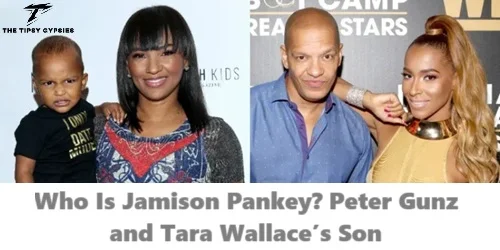
Jamison Pankey—affectionately known as “Juice”—represents something rare in today’s celebrity culture: a child who’s managed to maintain privacy despite being born into chaos.
At 16 years old in 2026, he’s the eldest son of rapper Peter Gunz and reality TV personality Tara Wallace from Love & Hip Hop: New York. Born October 14, 2008, Jamison witnessed his family’s complicated dynamics play out on VH1, yet his mother successfully shielded him from the worst aspects of fame.
Now he’s navigating teenage years away from cameras, attending private school in New York City, and building an identity separate from his father’s hip hop legacy and his family’s reality television past.
Table of Contents
Quick Facts: Jamison Pankey
| Detail | Information |
|---|---|
| Full Name | Jamison Pankey |
| Nickname | “Juice” |
| Birth Date | October 14, 2008 |
| Current Age | 16 years old (as of 2026) |
| Parents | Peter Gunz (Peter Pankey) & Tara Wallace |
| Siblings | Kaz Pankey, Gunner Ethan Pankey (full brothers); Cory Gunz, Kennedi, Phoenix, Whitney Pankey (half-siblings) |
| Known For | Eldest son of rapper Peter Gunz, featured on Love & Hip Hop: New York |
| Current Status | Private school student in New York City |
| Social Media Presence | Limited/Protected |
Who Is Jamison Pankey?

Jamison Pankey—affectionately known by his nickname “Juice”—represents something increasingly rare in today’s celebrity culture. He’s the eldest son of rapper Peter Gunz and reality television personality Tara Wallace. Yet despite being born into the chaotic world of VH1’s Love & Hip Hop: New York, Jamison’s managed to maintain what his mother calls a “protected childhood.”
Now 16 years old in 2026, Jamison Pankey stands at a crossroads. He’s old enough to understand the complicated legacy of his family background, yet young enough that his parents—particularly Tara Wallace—have successfully shielded him from the worst aspects of growing up in the public eye. It’s a delicate balance, really. You can’t entirely escape the spotlight when your father’s hip hop legacy includes the iconic “Déjà Vu (Uptown Baby)” and your childhood played out across multiple seasons of a reality show watched by millions.
But here’s what makes Jamison’s story different. While other celebrity children have embraced social media stardom or followed their parents into entertainment, Jamison Pankey has chosen—or perhaps been guided toward—a different path. His story isn’t about Instagram followers or viral moments. It’s about quiet dignity in an age that doesn’t value privacy much anymore.
Born on October 14, 2008, in New York City, Jamison entered a world already complicated by his father’s relationships. Peter Gunz, the Bronx-born rapper who’d achieved fame as part of the duo Lord Tariq and Peter Gunz, was navigating a messy personal life that would eventually become reality television gold—though maybe not the kind that’s good for kids to witness.
Early Life and Family Background
Let’s be honest here—Jamison’s early years weren’t exactly normal. Normal kids don’t have their family drama dissected by millions of viewers. Normal kids don’t have to explain why their dad’s love triangle became appointment television.
Jamison Pankey was born during a period when Peter Gunz was still building his post-rap career and before the family’s private struggles became public entertainment. The Pankey family lived in New York City, specifically maintaining ties to The Bronx where Peter Gunz had grown up. Tara Wallace was working as a casting director and actress, bringing her own professional credibility to the relationship.
Those first few years? They represented a kind of innocence that wouldn’t last. Jamison was a toddler when the reality of his father’s complicated romantic life began to crystallize. Peter Gunz was simultaneously involved with both Tara Wallace and Amina Buddafly—a situation that would eventually define much of Jamison’s childhood experience, at least from an outsider’s perspective.
But Tara Wallace made a choice early on. She decided that whatever happened between the adults, her sons—Jamison, Kaz Pankey, and later Gunner Ethan Pankey—would be protected as much as possible. This meant setting boundaries with production crews, limiting what cameras could capture, and ultimately walking away from Love & Hip Hop: New York when the cost to her family’s wellbeing became too high.
The family background Jamison comes from is complex, sure. His father Peter Gunz (born Peter Pankey) achieved legitimate success in the hip hop world during the late 1990s. “Déjà Vu (Uptown Baby)” wasn’t just a hit—it was a cultural moment. That success gave the Pankey family certain opportunities and opened certain doors. But it also meant scrutiny, expectations, and eventually, a willingness to let reality television producers into their lives.
The Peter Gunz and Tara Wallace Connection
You can’t understand Jamison Pankey without understanding the relationship that created him. Peter Gunz and Tara Wallace’s connection goes back years before reality television entered the picture. They weren’t just a fling or a casual relationship—they built something more substantial, even if it was ultimately tested by Peter’s involvement with Amina Buddafly.
Tara Wallace brought stability to Peter Gunz’s life in many ways. She was college-educated, professionally successful, and deeply committed to creating a strong family unit. When Jamison was born in 2008, Tara was determined that her son would have opportunities she and Peter might not have had. Education became a priority. Family support became essential. Creating a home environment where Jamison felt secure—despite his father’s complicated personal life—became Tara’s mission.
Peter Gunz, for his part, has spoken publicly about his struggles with fatherhood and relationships. He’s been open—sometimes painfully so—about his mistakes. The reality television show Love & Hip Hop documented his attempts to maintain relationships with multiple women and multiple children simultaneously. It wasn’t pretty. It wasn’t admirable. But it was honest, at least in the way reality television can be honest.
For Jamison, this meant growing up with a father who was physically present but emotionally divided. Peter Gunz wasn’t an absent father—he showed up for his kids, attended events, provided financial support. But the emotional complexity of his situation meant that quality time was often interrupted by drama, by other relationships, by the demands of filming a reality show.
Tara Wallace has said in interviews that she tried to normalize things for Jamison as much as possible. When Peter Gunz was around, they focused on being a family. When he wasn’t, she didn’t badmouth him to the children. This approach—maintaining respect for Peter even when the relationship was strained—gave Jamison a framework for understanding his parents’ complicated dynamic without feeling he had to choose sides.
The connection between Peter Gunz and Tara Wallace ultimately didn’t result in marriage or a conventional family structure. But it did create three sons who seem remarkably well-adjusted given the circumstances. Jamison Pankey, as the eldest, bore witness to more of the adult drama than his younger brothers. He was old enough during the Love & Hip Hop years to understand that cameras were present, that his family was being watched, that his private life wasn’t entirely private.
Growing Up on Love & Hip Hop: New York
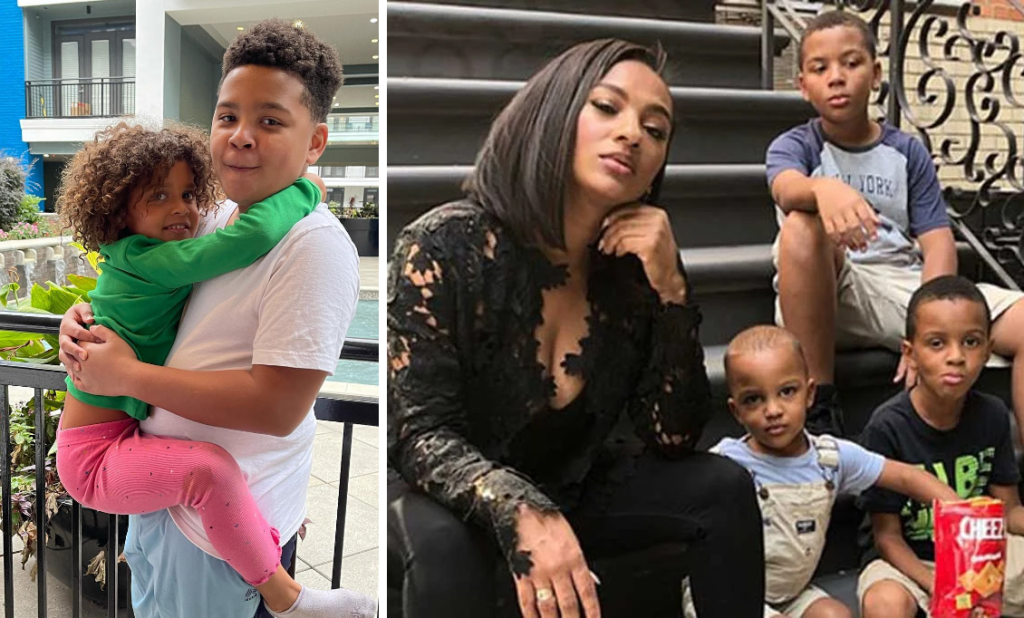
Here’s where Jamison’s story intersects with popular culture in ways that continue to shape his life today. Love & Hip Hop: New York wasn’t just background noise in his childhood—it was a defining force that he couldn’t entirely escape, even when his mother tried to shield him.
The VH1 reality show premiered in 2011, when Jamison was just three years old. Initially, the show focused on the music industry side of things—struggling artists, behind-the-scenes drama, the hustle of making it in New York’s competitive hip hop world. But as the series evolved, personal relationships became the primary focus. And no relationship was more central to the show’s drama than the love triangle involving Peter Gunz, Tara Wallace, and Amina Buddafly.
For several seasons, viewers watched this situation unfold. Peter would promise commitment to Tara, then return to Amina. He’d marry Amina, then continue his relationship with Tara. Children were born to both women. Confrontations happened. Tears were shed. And through it all, cameras captured everything.
Jamison Pankey appeared periodically on Love & Hip Hop during his childhood years. We’d see him at birthday celebrations, family gatherings, and occasional scenes at home. But if you watch those episodes carefully, you’ll notice something—Tara Wallace was extremely protective about what could be filmed involving her children. Jamison rarely spoke on camera. His face was sometimes blurred in post-production. He was present in the family’s story but not exploited for storylines.
This protection was intentional and increasingly strict. Tara Wallace eventually left Love & Hip Hop: New York after the sixth season, citing concerns about how the show’s drama was affecting her sons. She’d reached a point where the paycheck and exposure weren’t worth the cost to her family’s privacy and wellbeing. That takes courage, honestly. Reality television can be financially rewarding, especially for someone in Tara’s position. Walking away meant sacrificing income and relevance for something less tangible but more important—her children’s mental health.
Growing up on reality television has documented psychological effects that researchers and child development experts are only beginning to understand. Children who appear on reality shows often struggle with boundary issues, difficulty separating their private identity from their public persona, and increased vulnerability to mental health challenges. Jamison Pankey could easily have fallen into these patterns.
But the decision to limit his exposure and eventually remove him from the show entirely seems to have mitigated some of these risks. By the time Jamison was entering his teenage years, he was no longer appearing on Love & Hip Hop. His younger brothers, Kaz Pankey and Gunner Ethan Pankey, were similarly protected. The family had exited the reality television world, even if they couldn’t entirely escape its legacy.
The Blended Family Dynamic
If you think your family is complicated, consider Jamison Pankey’s situation. He has two full brothers—Kaz Pankey and Gunner Ethan Pankey—from Peter Gunz and Tara Wallace’s relationship. He has multiple half-siblings from his father’s other relationships, including Cory Gunz, who’s actually achieved his own success as a rapper signed to Young Money Entertainment. Then there are Kennedi Pankey, Phoenix Pankey, and Whitney Pankey—other children from Peter Gunz’s various relationships.
That’s a lot of siblings. That’s a lot of different households, different mothers, different dynamics to navigate. And Jamison, as one of the oldest, has had to figure out how to maintain relationships with half-siblings while respecting the complicated feelings their very existence might create.
The blended family structure that Peter Gunz created isn’t unusual in hip hop culture, but that doesn’t make it easy for the children involved. Jamison has to share his father’s time, attention, and resources with numerous other children. He has to navigate relationships with siblings who have different mothers, different experiences, and different perspectives on who Peter Gunz is as a father.
Cory Gunz, Jamison’s older half-brother, represents an interesting point of connection. Cory achieved independent success in the rap game, earning a deal with Young Money Entertainment when Lil Wayne recognized his talent. For Jamison, Cory serves as proof that Peter Gunz’s hip hop legacy can extend to the next generation—though whether Jamison wants to follow that path remains unclear.
Tara Wallace has spoken about encouraging her sons to maintain relationships with their half-siblings while also acknowledging the complexity involved. She doesn’t pretend it’s easy. She doesn’t act like the blended family situation is ideal. But she recognizes that Jamison, Kaz, and Gunner have brothers and sisters who aren’t going away, and that fostering those connections benefits everyone involved.
The family bond between Jamison and his full brothers—Kaz Pankey and Gunner Ethan Pankey—appears especially strong. They’re frequently together, whether at family events that occasionally surface on social media or in the private moments that never make it online. Tara has intentionally cultivated this closeness, understanding that the brothers’ relationship with each other might be the most stable family connection they have given their father’s complicated situation.
Family milestones in the Pankey family often involve navigating who’s invited, who’s comfortable attending, and how to celebrate without creating awkwardness. Jamison’s birthday celebrations, for instance, might include his mother Tara Wallace, his full brothers, and sometimes Peter Gunz—but likely not Amina Buddafly or the children from that relationship. These aren’t perfect solutions, but they’re practical ones that prioritize the children’s comfort over adult preferences.
Jamison’s Education and Academic Focus
Here’s where Jamison Pankey’s story diverges most sharply from other celebrity children. While many kids with famous parents either pursue entertainment careers themselves or struggle academically due to instability at home, Jamison has apparently embraced education as a priority.
Tara Wallace enrolled Jamison in private school in New York City years ago. The specific institution hasn’t been publicly disclosed—a smart choice given privacy concerns—but reports indicate it’s a competitive academic environment where Jamison is thriving. Private school education in New York City is notoriously expensive and competitive, but it offers advantages that Tara clearly felt were worth the investment.
The academic focus that Jamison demonstrates isn’t accidental. Tara Wallace has a college education herself and has always emphasized intellectual pursuits to her children. She’s spoken in interviews about limiting screen time, encouraging reading habits, and ensuring her sons complete their homework before any entertainment activities. These might seem like basic parenting principles, but they’re remarkably uncommon among reality television families where chaos often becomes normalized.
Schooling details for Jamison remain appropriately private, but what we know suggests a teenager who takes education seriously. He’s not homeschooled like many celebrity children, which means he experiences normal peer interactions, participates in traditional classroom settings, and navigates the social dynamics of adolescence without the constant presence of bodyguards or handlers.
Education priorities in the Pankey household reflect Tara Wallace’s values more than Peter Gunz’s background. While Peter found success through music and natural talent, Tara has always believed in formal education as a foundation for future opportunities. She’s made it clear to Jamison and his brothers that while their father’s hip hop legacy opens doors, education will keep those doors open long-term.
Reports suggest Jamison has intellectual interests beyond standard academics, though specifics are scarce. Tara has mentioned her sons enjoying reading, being curious about the world, and asking thoughtful questions about current events and social issues. These aren’t just the words of a proud mother—they suggest teenagers who’ve been encouraged to think critically and engage with ideas, which is relatively rare in reality television families.
The protected childhood that Tara has crafted for Jamison includes protecting his academic environment. She’s been careful not to let her family’s reality television history interfere with his school experience. This means not showing up with camera crews for school events, not using her sons’ schools for filming locations, and not exploiting their academic achievements for social media content.
Relationship with Peter Gunz
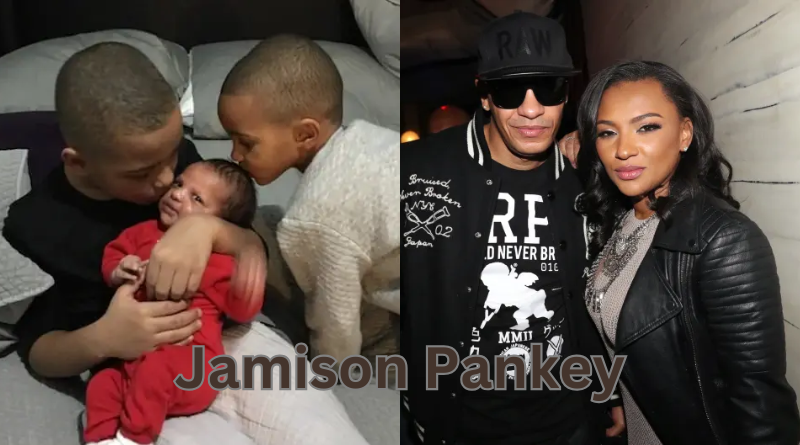
Let’s talk about the complicated relationship between Jamison Pankey and his father, Peter Gunz. It’s not simple. It’s not always good. But it exists, and that’s something.
Peter Gunz has been publicly honest—sometimes painfully so—about his failures as a father and partner. The Love & Hip Hop cameras captured him making promises he didn’t keep, choosing one relationship over another, and struggling to be present for all his children simultaneously. These weren’t just story lines manufactured for television—they reflected real patterns that affected real children, including Jamison.
For Jamison, having Peter Gunz as a father means having someone with name recognition, industry connections, and a legitimate hip hop legacy. Peter’s work with Lord Tariq and Peter Gunz in the late ’90s produced “Déjà Vu (Uptown Baby),” a song that still gets radio play and streaming attention. That’s not nothing. That’s a proud heritage that Jamison can claim.
But it also means having a father whose personal choices created confusion and pain. Children in blended families often struggle with questions about their father’s time, attention, and loyalty. When does he visit? Why doesn’t he stay longer? Why are there so many other siblings who also need him? These questions don’t have satisfying answers, and Peter Gunz’s public struggles with these issues mean Jamison has had to confront them in unusually visible ways.
What we see in occasional public appearances and social media posts suggests that Jamison and Peter have maintained some kind of relationship. They’ve been photographed together at events. Peter speaks about his sons in interviews, usually expressing pride and acknowledging his mistakes. Jamison appears in Peter’s life, even if not consistently.
Tara Wallace deserves credit for not poisoning this relationship. Despite her legitimate grievances with Peter Gunz—and there are many—she’s apparently encouraged her sons to form their own opinions about their father rather than simply adopting her perspective. This is harder than it sounds. Co-parenting with someone who’s hurt you requires swallowing anger and resentment in favor of what’s best for your children.
The family support that Peter Gunz provides appears to be primarily financial rather than emotional, though that’s speculation based on public information. He’s employed, he has income from various sources including royalties from his music catalog, and he’s legally obligated to support his children. Whether he provides the kind of consistent emotional presence that Jamison might want or need is less clear.
Recent years have seen Peter Gunz attempting to rehabilitate his public image somewhat. He’s spoken about learning from his mistakes, being a better father now than he was earlier, and valuing his relationships with his children more than the drama that made him reality television famous. Whether this represents genuine growth or just better public relations is difficult to determine from the outside.
For Jamison Pankey, at 16 years old in 2026, the relationship with Peter Gunz is probably still evolving. Teenagers often reassess their relationships with parents, especially fathers who haven’t been consistently present. Jamison is old enough now to form his own judgments about who Peter is, what he’s contributed to Jamison’s life, and what kind of relationship they’ll have going forward.
Life Away from the Public Eye
One of the most remarkable things about Jamison Pankey is what we don’t know about him. In an era where celebrity children document their entire lives on Instagram and TikTok, Jamison has maintained something increasingly rare: actual privacy.
This isn’t accidental. This is the result of deliberate choices by Tara Wallace to keep her sons out of the public eye as much as possible. After leaving Love & Hip Hop: New York, Tara drastically reduced her public presence. She’s not entirely absent from social media, but she’s selective and intentional about what she shares.
The private life that Jamison leads looks remarkably normal for a New York City teenager. He attends school. He has friends whose names we don’t know. He has hobbies and interests that aren’t documented for public consumption. He makes mistakes and has awkward moments and experiences teenage drama without millions of strangers commenting on it.
This protected childhood has required sacrifice. Tara Wallace gave up steady reality television income—potentially hundreds of thousands of dollars—to protect her sons from media exposure. She’s turned down opportunities that would have raised her profile if they required exploiting her children. She’s drawn firm boundaries with Peter Gunz about what can be shared publicly about their sons.
Life away from the spotlight has probably allowed Jamison to develop a more authentic sense of self than he would have otherwise. He’s not performing for cameras. He’s not curating an image. He’s not worried about how every action will be perceived by strangers on the internet. This psychological freedom is incredibly valuable, even if it means sacrificing the financial opportunities that come with celebrity.
The low profile that Jamison maintains extends to his social media presence, which is either nonexistent or carefully controlled. Most 16-year-olds are chronically online, sharing every thought and meal and outfit. If Jamison has social media accounts, they’re private, which suggests either maturity beyond his years or excellent parenting—probably both.
Shielded from the spotlight, Jamison can make typical teenage mistakes without public scrutiny. He can change his mind about interests and goals without being called a hypocrite. He can develop friendships based on genuine connection rather than his family’s celebrity. These might seem like small things, but they’re actually fundamental to healthy adolescent development.
What does Jamison’s daily life look like? We don’t know exactly, and that’s the point. He probably wakes up, goes to school, does homework, hangs out with friends, maybe plays video games or sports, and goes to bed—just like millions of other American teenagers. The normalcy is the story.
Siblings and Family Bonds
The relationship between Jamison Pankey and his siblings—both full and half—tells us a lot about how children navigate complicated family structures when given proper support.
Jamison’s full brothers, Kaz Pankey and Gunner Ethan Pankey, are his closest family connections outside his mother. The three boys share the same parents, the same household, and the same experiences of growing up in Tara Wallace’s protective environment. Reports and occasional social media glimpses suggest the brothers are close, which makes sense given what they’ve been through together.
Kaz Pankey, Jamison’s younger brother, has maintained a similarly low profile. He’s occasionally mentioned in social media posts by Tara, usually in the context of family celebrations or achievements, but details about his life remain private. The age gap between Jamison and Kaz means they’re at different developmental stages, but they apparently share strong bonds despite this.
Gunner Ethan Pankey is the youngest of Tara Wallace’s three sons. Born several years after Jamison, Gunner represents the family’s future in many ways—he’s growing up with even less reality television exposure than his older brothers, benefiting from Tara’s increasingly protective approach to parenting.
The relationship between Jamison and his half-brother Cory Gunz is particularly interesting. Cory Gunz achieved independent success as a rapper, earning a recording deal with Young Money Entertainment after impressing Lil Wayne with his lyrical abilities. This makes Cory the most professionally successful of Peter Gunz’s children so far, and potentially a role model for younger siblings interested in following their father’s musical path.
Whether Jamison has a close relationship with Cory isn’t publicly known, but they share a father and a hip hop legacy. Cory’s success proves that Peter Gunz’s children can achieve their own recognition rather than just living in their father’s shadow. For Jamison, this might be inspiring or it might be intimidating—pressure to live up to family expectations in the music industry.
Other half-siblings, including Kennedi Pankey, Phoenix Pankey, and Whitney Pankey, add complexity to Jamison’s family structure. These children come from Peter Gunz’s relationships with different women, creating a web of connections that requires careful navigation. Family gatherings that include all of Peter’s children are probably rare, if they happen at all.
The family dynamic that Jamison navigates requires emotional intelligence beyond his years. He has to respect his mother’s feelings about Peter Gunz while maintaining his own relationship with his father. He has to acknowledge his half-siblings’ existence and rights without diminishing his full brothers’ importance. He has to share limited resources—both financial and emotional—from a father who’s spread thin across multiple families.
What’s remarkable is that by all accounts, Jamison seems to be managing this complexity reasonably well. He hasn’t been involved in public conflicts with siblings. There haven’t been reported incidents of jealousy or resentment playing out on social media. Either he’s remarkably mature, or Tara Wallace has done an exceptional job preparing him to handle these relationships, or both.
The siblings’ relationships with each other will probably evolve as they get older. Right now, some are still children while others are entering adulthood. These different life stages mean their relationships with each other and with Peter Gunz will shift over time. Jamison, as one of the older children, might eventually play a role in helping younger siblings understand their complicated family history.
Net Worth and Financial Background 2026
Let’s talk about money, because it’s relevant to understanding Jamison Pankey’s opportunities and limitations as he approaches adulthood.
Jamison himself doesn’t have an independent net worth—he’s 16 years old in 2026 and apparently hasn’t pursued entertainment work or other income-generating activities. His financial situation is entirely dependent on his parents, primarily Tara Wallace and Peter Gunz.
Peter Gunz’s net worth has been estimated at various points, with figures ranging wildly depending on the source. Some estimates put it around $500,000 to $1 million, though these numbers should be taken with skepticism. Hip hop artists from Peter’s era often have unpredictable income streams—royalties from past work, occasional performances, reality television appearances, and other opportunities that don’t necessarily translate to stable wealth.
The royalties from “Déjà Vu (Uptown Baby)” and other Lord Tariq and Peter Gunz music continue to generate some income decades after release. This provides Peter with residual earnings that don’t require active work, which is valuable. However, these royalties are likely split with his former musical partner and may not be as substantial as fans might imagine.
Tara Wallace’s financial situation is similarly complex. She worked as a casting director and actress before becoming known primarily through Love & Hip Hop: New York. Reality television can be lucrative—cast members on successful shows like Love & Hip Hop can earn $5,000 to $100,000 per season depending on their role and negotiating power. However, Tara left the show years ago, giving up that income stream.
The financial support that Peter Gunz provides for Jamison and his brothers likely includes child support payments mandated by legal agreements. Given the number of children Peter has fathered with different women, these obligations probably strain his resources considerably. Supporting multiple households on an irregular income is challenging for anyone, even someone with Peter’s past success.
What does this mean practically for Jamison? He attends private school in New York City, which costs tens of thousands of dollars annually. He lives in a household maintained by his mother, presumably in a decent neighborhood given safety concerns. He has his basic needs met and then some. But he’s probably not growing up with the kind of wealth that children of currently successful rappers might experience.
The financial prospects for Jamison’s future depend largely on his own choices. If he pursues education through college—which seems likely given Tara’s emphasis on academics—he’ll need financial support for tuition and living expenses. If he chooses to enter the entertainment industry, he might leverage his father’s connections and name recognition. If he pursues an entirely different path, he’ll be starting from scratch financially.
One advantage Jamison has is understanding—from observing his father’s career—that past success doesn’t guarantee future stability. Peter Gunz achieved legitimate fame and presumably earned good money during his peak years, but sustaining that success proved difficult. The hip hop legacy that Peter built hasn’t translated to ongoing wealth or security. This lesson might make Jamison more financially cautious and motivated to build his own stable income.
The cultural impact of growing up with financial uncertainty while also being connected to celebrity is complex. Jamison is adjacent to wealth and fame without necessarily having access to it himself. He knows what success looks like, he’s seen it in his father’s past and in his half-brother Cory Gunz’s career, but he’s also witnessed the instability that comes with entertainment industry income.
Career Prospects in 2026
What does the future hold for Jamison Pankey? At 16 years old, he’s at the age where career thinking starts to become more concrete. While he’s not yet making final decisions, the next few years will shape his professional trajectory significantly.
The most obvious path for Jamison would be following his father’s footsteps into hip hop. He has the family name recognition, the cultural capital, and potentially the connections to launch a rap career if he wanted to. Peter Gunz could introduce him to industry figures, help him understand the business, and leverage his own reputation to create opportunities.
But there’s no public indication that Jamison has any interest in rapping or music production. Unlike his half-brother Cory Gunz, who was writing rhymes and developing his skills from a young age, Jamison hasn’t demonstrated publicly that he’s pursuing music. This could mean he’s keeping it private, or it could mean he’s genuinely not interested in following the hip hop legacy his father created.
Tara Wallace’s emphasis on education suggests she’s preparing Jamison for college and potentially a professional career outside entertainment. With a strong academic foundation from private school, Jamison could pursue virtually any field that interests him—business, technology, medicine, law, engineering, and so on. He’d be starting from a position of advantage given his education and resources.
The reality television connection to his past could actually help him if he chooses to enter entertainment on his own terms. He understands how the industry works, having grown up observing it from the inside. He knows about contracts, production schedules, editing manipulation, and the toll that public exposure takes on families. This knowledge could make him a more savvy participant if he ever chooses to return to that world.
Career prospects for Jamison in 2026 and beyond might also include entrepreneurship. Young people today are creating businesses and brands around their passions and audiences in ways that weren’t possible in previous generations. If Jamison wanted to build something—whether in fashion, technology, media, or another field—he has some advantages including name recognition and industry connections through his parents.
What seems less likely is that Jamison will remain entirely private forever. The curiosity about Peter Gunz’s children, particularly from Love & Hip Hop fans, means there’s an audience ready to pay attention if Jamison ever decides to speak publicly about his experiences. He could write a book, give interviews, create content about growing up in a blended family affected by reality television, or leverage his story in countless ways.
The skills that Jamison has likely developed—navigating complex family dynamics, maintaining privacy in difficult circumstances, understanding media manipulation—are actually quite valuable in many professional contexts. Communication, emotional intelligence, and media literacy are sought-after capabilities in numerous fields.
By 2026, Jamison is old enough to start thinking about college applications if that’s his chosen path. The next year or two will involve taking standardized tests, visiting campuses, writing essays, and making decisions about what kind of educational environment he wants. These choices will significantly impact his career trajectory.
Cultural Impact of Growing Up on Reality TV
Jamison Pankey’s experience growing up with reality television in his life—even though his mother eventually removed him from it—represents an increasingly common phenomenon that deserves examination. What happens to children who spend their formative years being filmed? How does it shape their development, their relationships, their sense of self?
The cultural impact of reality television on children is still being understood by psychologists and researchers. Kids who appear on these shows often struggle with issues around privacy, boundaries, and identity formation. They grow up knowing that their lives have been entertainment for strangers, which creates a complicated relationship with their own experiences and memories.
For Jamison specifically, the Love & Hip Hop years represent a period of his childhood that’s permanently documented and publicly available. Anyone can watch episodes featuring his family and form opinions about his parents, his home life, and his circumstances. That’s a strange thing to carry—the knowledge that strangers have access to pieces of your childhood that you might not even remember clearly yourself.
The decision by Tara Wallace to eventually remove her sons from Love & Hip Hop was significant and probably protective. Research on child actors and reality television participants suggests that the earlier children exit these situations, the better their psychological outcomes tend to be. By getting Jamison out before adolescence fully set in, Tara probably prevented some of the identity confusion that plagues children who remain in the public eye throughout their teenage years.
Growing up on reality television also means growing up with a distorted view of normalcy. When cameras are present, people perform—even when they’re trying to be “real.” Family conflicts get amplified. Drama gets encouraged by producers who need compelling storylines. What should be private family matters become public entertainment. For children in these environments, learning what’s actually normal versus what’s been exaggerated for television becomes difficult.
The cultural phenomenon of reality television has created a generation of young people who’ve grown up in the public eye in unprecedented ways. Jamison Pankey is part of this generation, along with children from other reality shows like Teen Mom, Keeping Up With The Kardashians, and various other programs that documented family life. These children share common experiences—being recognized in public, having their childhood documented, dealing with public opinions about their families.
What makes Jamison’s situation somewhat unique is the specific content of his family’s reality television storyline. The Love & Hip Hop love triangle involving Peter Gunz, Tara Wallace, and Amina Buddafly wasn’t just typical family drama—it involved infidelity, competing relationships, and genuine pain being played out for entertainment. That’s a heavier burden than appearing on a show about starting a business or renovating houses.
The long-term cultural impact on children like Jamison is still unfolding. Some children who grew up on reality television have spoken out as adults about feeling exploited or struggling with the legacy of their television appearances. Others have managed to integrate those experiences into their identity without apparent trauma. Where Jamison will fall on this spectrum remains to be seen.
Expert opinions on child privacy and reality television have become more critical in recent years. Child psychologists increasingly warn against putting children on reality shows, citing concerns about consent—children can’t meaningfully consent to having their lives documented—and long-term psychological harm. Some states have begun to implement protections for child reality television participants similar to those that exist for child actors.
What We Know vs. What We Don’t
Let’s be clear about something: despite the public nature of his family’s history, most of Jamison Pankey’s life remains appropriately private. The gap between what we know and what we don’t know is substantial and should stay that way.
What We Know:
- Jamison Pankey was born October 14, 2008, making him 16 years old in 2026
- His parents are rapper Peter Gunz and reality television personality Tara Wallace
- He has two full brothers, Kaz Pankey and Gunner Ethan Pankey
- He has multiple half-siblings from his father’s other relationships
- His childhood was partly documented on VH1’s Love & Hip Hop: New York
- His mother eventually left the show and has protected her sons’ privacy since
- He attends private school somewhere in New York City
- His nickname is “Juice”
- His family has connections to The Bronx and maintains ties there
- His half-brother Cory Gunz is a rapper signed to Young Money Entertainment
What We Don’t Know:
- Jamison’s specific interests, hobbies, or passions
- Whether he has any interest in pursuing music like his father
- His academic performance or specific school attendance
- His relationship status or dating life
- His close friends and social circle
- His specific feelings about his father’s complicated family situation
- Whether he maintains relationships with his half-siblings
- His plans after high school graduation
- His social media presence (if any)
- His feelings about having grown up partially on reality television
- Whether he has any ongoing relationship with his father’s other families
- His personality traits beyond what can be inferred from limited public information
This gap between known and unknown information is actually healthy and appropriate. Jamison is a minor who deserves privacy regardless of his family’s public history. The fact that so much remains unknown suggests that Tara Wallace has succeeded in her goal of protecting her sons from excessive media exposure.
The public curiosity about Jamison is understandable given his family’s reality television fame, but it doesn’t entitle anyone to detailed information about his private life. As he approaches adulthood, he’ll presumably have more agency to decide what, if anything, he wants to share publicly about his experiences and perspectives.
Latest Social Media Insights
Social media presence—or lack thereof—tells us something important about Jamison Pankey’s current life and his mother’s continued commitment to protecting his privacy.
Unlike many celebrity children who’ve built substantial social media followings by leveraging their family connections, Jamison maintains what appears to be a minimal or nonexistent public social media presence. He doesn’t appear to have verified accounts on Instagram, Twitter, TikTok, or other platforms—at least not under his real name or in any publicly discoverable way.
This absence is notable and deliberate. Most 16-year-olds in 2026 are extremely active on social media platforms. It’s how they communicate with friends, consume entertainment, express themselves, and navigate social hierarchies. For Jamison to avoid this or maintain purely private accounts suggests either personal preference or parental guidance—likely a combination of both.
Tara Wallace’s own social media activity occasionally includes references to her sons, but these mentions are carefully controlled. She might post birthday wishes, celebrate achievements, or share occasional photos, but she doesn’t exploit her children for content or engagement. This restrained approach stands in stark contrast to many reality television personalities who’ve built social media careers around documenting their families.
The latest insights we have about Jamison come primarily through these filtered glimpses from his mother’s accounts and occasional references in interviews or public appearances. Tara has mentioned her sons’ achievements, their growth, and her pride in them, but she doesn’t provide the kind of detailed updates that would satisfy public curiosity.
Peter Gunz’s social media presence occasionally includes mentions of his children, though his relationship with posting about his family seems more complicated given his multiple families and the sensitivity required in acknowledging children from different relationships without creating conflict.
The absence of Jamison from social media also means an absence of the typical teenage drama that plays out online. He’s not involved in public feuds. He’s not posting controversial opinions. He’s not inadvertently creating controversy through thoughtless comments or posts. In an era where teenage social media mistakes can become permanent parts of someone’s digital footprint, Jamison’s low profile is probably serving him well.
What this means for Jamison’s future is interesting. When and if he eventually chooses to establish a public presence, he’ll be starting without the baggage that comes from years of questionable teenage posts. He’ll have the opportunity to craft his public image intentionally rather than having it emerge organically from years of unfiltered sharing.
Comparison with Other Celebrity Children
To understand Jamison Pankey’s unique situation, it helps to compare his experience with other children who’ve grown up in reality television or hip hop families.
Children from the Kardashian-Jenner family, for instance, have been documented since infancy and have generally embraced public life as they’ve gotten older. They’ve built massive social media followings, launched businesses, and created their own celebrity identities. This represents one possible path—leveraging family fame into personal success and continued public attention.
The children from Teen Mom, another long-running reality show, have had varied experiences. Some have remained in the public eye, some have struggled with the attention, and some have managed to create relatively private lives despite their childhood being documented. These outcomes depend on many factors including parental decisions, personal temperament, and available resources.
Within hip hop culture specifically, many rappers’ children have chosen different paths. Some, like Cory Gunz, have pursued music careers themselves. Others have leveraged their family connections into business ventures or entertainment industry work. Still others have avoided the spotlight entirely, pursuing education and careers unrelated to their parents’ fame.
What distinguishes Jamison’s situation is the specific combination of reality television exposure plus hip hop culture plus a complicated family structure. He’s not just a rapper’s son—he’s a rapper’s son whose family drama was reality television entertainment. That’s a more complex legacy to navigate than simply being known as someone’s child.
Compared to children of currently successful rappers who never appeared on reality television, Jamison has both advantages and disadvantages. The reality show gave him and his family name recognition, but it also attached drama and controversy to that recognition. A child of a successful rapper who maintained privacy would have access to resources and connections without the baggage.
The decision by Tara Wallace to protect Jamison’s privacy places him more in line with celebrity children whose parents prioritize normalcy over fame. These children might benefit from their family’s resources and connections, but they’re not public figures themselves. They attend regular schools, have normal friend groups, and develop outside their parents’ shadow.
Expert Perspectives on Child Privacy and Reality TV
Child development experts and psychologists have increasingly expressed concerns about children appearing on reality television programs. Their research and professional opinions provide context for understanding the challenges Jamison Pankey might face due to his early exposure to reality television.
Dr. Sarah Ruback, a child psychologist who’s studied children in entertainment, notes that reality television creates unique challenges for identity formation. Unlike scripted television where children are playing characters, reality television suggests that children are presenting their “real” selves. This blurs important boundaries between public and private identity that are crucial for healthy psychological development.
Research on children in reality television has identified several common challenges:
- Consent Issues: Young children cannot meaningfully consent to having their lives documented and broadcast. Even when they appear willing on camera, they don’t fully understand the implications of permanent public documentation of their childhood.
- Boundary Confusion: Growing up with cameras present can make it difficult for children to develop appropriate boundaries between public and private life. Everything becomes potentially public, which can create problems with intimacy and trust in relationships later.
- Identity Formation: Adolescence involves figuring out who you are separate from your family and developing an authentic sense of self. When your childhood is documented and commented on by strangers, this natural process becomes complicated by external input and judgment.
- Exploitation Concerns: Even well-intentioned parents can prioritize financial gain or career advancement over their children’s wellbeing when reality television money is involved. The temptation to keep children in the spotlight for economic reasons creates ethical dilemmas.
Experts generally agree that the earlier children exit reality television situations, the better their outcomes. Tara Wallace’s decision to remove her sons from Love & Hip Hop: New York before they entered full adolescence was likely protective, though some damage may have already occurred from their early childhood exposure.
Legal protections for children in reality television vary by state and are generally less comprehensive than protections for child actors in scripted entertainment. Some states require that a portion of reality television earnings be held in trust for minor participants, but enforcement is inconsistent.
The cultural shift around child privacy and reality television has been gradual but significant. What seemed acceptable even ten years ago—documenting every aspect of children’s lives for entertainment—now faces more scrutiny and criticism from child welfare advocates, psychologists, and even some former reality television participants who’ve spoken out about their experiences.
For Jamison Pankey specifically, the expert recommendation would likely be that his mother made the right choice in prioritizing his privacy over continued television appearances. The long-term wellbeing of children should always supersede entertainment value or economic benefit.
Timeline of Jamison’s Life and Public Appearances
- 2008: Jamison Pankey born on October 14th to Peter Gunz and Tara Wallace in New York City. The couple’s relationship is established but not yet public knowledge beyond their immediate circle.
- 2008-2011: Early childhood years spent in relative privacy before reality television enters the picture. Family lives in New York City, with Peter Gunz balancing multiple relationships and Tara Wallace working in casting and acting.
- 2011: Love & Hip Hop: New York premieres on VH1, though the Pankey family isn’t part of the original cast. The show begins documenting hip hop culture and relationships in New York City.
- 2012-2013: Peter Gunz and Tara Wallace join Love & Hip Hop: New York. The complicated relationship dynamics begin to unfold on television, with Peter simultaneously involved with both Tara Wallace and Amina Buddafly. Jamison is approximately 4-5 years old during this period, occasionally appearing in family scenes.
- 2013-2015: The love triangle becomes central to Love & Hip Hop storylines. Jamison’s younger brothers, Kaz Pankey and later Gunner Ethan Pankey, are born. The family drama intensifies with Peter Gunz marrying Amina Buddafly while maintaining his relationship with Tara Wallace.
- 2015-2016: Tara Wallace becomes increasingly protective of her children’s privacy. Jamison appears less frequently on camera, often with face obscured or limited to background appearances at family events.
- 2017: Tara Wallace exits Love & Hip Hop: New York after Season 6, citing concerns about the impact on her children. Jamison is approximately 9 years old. The family begins transitioning away from public life.
- 2017-2020: Years of relative privacy as Jamison enters pre-teen years. Attends private school in New York City. Family maintains low profile outside occasional social media mentions from Tara Wallace.
- 2020-2023: Teenage years spent largely outside public view. Jamison continues education, family maintains privacy. Peter Gunz occasionally references his children in interviews but provides limited specific details about Jamison.
- 2024-2026: Current period where Jamison is 15-16 years old. Approaching high school graduation age. Remains private with no significant public presence or social media activity under his own name. Family continues protecting his privacy while he develops outside the spotlight.
This timeline shows a clear arc from early childhood exposure to reality television toward increasing privacy and protection as Jamison has gotten older. The inflection point appears to be around 2016-2017 when Tara Wallace made the definitive choice to prioritize her children’s wellbeing over continued reality television income and exposure.
Frequently Asked Questions
1. How old is Jamison Pankey in 2026?
Jamison Pankey is 16 years old in 2026. He was born on October 14, 2008, which means he’ll turn 17 later in 2026. He’s currently in his mid-teen years, likely attending high school at a private school in New York City where his mother Tara Wallace has enrolled him to ensure quality education and some degree of privacy from the public eye.
2. What is Jamison Pankey’s relationship with his father Peter Gunz?
The relationship between Jamison Pankey and Peter Gunz appears to be ongoing but complicated, based on available public information. Peter Gunz has multiple children from different relationships, which means his time and attention are divided among many families. Tara Wallace has encouraged her sons to maintain their own relationships with their father rather than simply adopting her perspective on him. While Peter has been publicly honest about his failures as a partner, he appears to maintain some presence in his children’s lives, though the consistency and depth of that involvement isn’t fully known publicly.
3. Does Jamison Pankey have social media accounts?
Jamison Pankey does not appear to have any public or verified social media accounts as of 2026. Unlike many celebrity children who build substantial followings on Instagram, TikTok, or other platforms, Jamison has maintained privacy in this area. If he does have social media accounts, they’re presumably private and not linked to his real name in any publicly discoverable way. This absence from social media is intentional and reflects his mother Tara Wallace’s commitment to protecting her sons’ privacy after leaving Love & Hip Hop: New York.
4. What does Jamison Pankey’s nickname “Juice” mean?
Jamison Pankey goes by the nickname “Juice,” though the specific origin or meaning of this nickname hasn’t been publicly explained by the family. Nicknames are common in many families and cultures, particularly in hip hop culture where Peter Gunz has his roots. The nickname has been used by family members when referring to Jamison, but beyond knowing that “Juice” is what he’s sometimes called, the significance or story behind this nickname remains private family information.
5. How many siblings does Jamison Pankey have?
Jamison Pankey has a large blended family with multiple siblings. He has two full brothers—Kaz Pankey and Gunner Ethan Pankey—from his mother Tara Wallace’s relationship with Peter Gunz. He also has several half-siblings from Peter Gunz’s relationships with other women, including Cory Gunz (who’s achieved success as a rapper with Young Money Entertainment), as well as Kennedi Pankey, Phoenix Pankey, and Whitney Pankey. The exact number of Peter Gunz’s children isn’t definitively confirmed, but it’s substantial, creating a complex family dynamic that Jamison has had to navigate throughout his life.
6. Did Jamison Pankey appear on Love & Hip Hop: New York?
Yes, Jamison Pankey appeared on Love & Hip Hop: New York during his childhood years when his mother Tara Wallace was part of the cast. However, his appearances were limited and carefully controlled by Tara, who was protective about what could be filmed involving her children. Jamison was often shown in background scenes at family gatherings or birthday celebrations, but he rarely spoke on camera and his face was sometimes blurred in post-production. Tara eventually left the show entirely after Season 6 (around 2017) specifically because of concerns about the impact on her sons, including Jamison.
7. Where does Jamison Pankey go to school?
Jamison Pankey attends a private school in New York City, though the specific institution has not been publicly disclosed—a smart choice given privacy and security concerns. Private school education in New York City is extremely expensive and competitive, suggesting that his family prioritizes education and is willing to invest substantial resources into providing Jamison with quality academic opportunities. The decision to keep his specific school private protects him from unwanted attention and allows him to have a more normal educational experience despite his family’s reality television history.
8. What is Jamison Pankey’s net worth?
Jamison Pankey doesn’t have an independent net worth as of 2026 since he’s only 16 years old and hasn’t pursued income-generating activities like entertainment work or business ventures. His financial situation is entirely dependent on his parents, particularly Tara Wallace and Peter Gunz. While Peter has income from his hip hop career including royalties from songs like “Déjà Vu (Uptown Baby),” and Tara earned money from Love & Hip Hop before leaving the show, these figures don’t represent Jamison’s personal wealth. Any assets or resources he has access to come through his parents rather than his own earnings.
9. Is Jamison Pankey going to pursue a rap career like his father?
There’s no public indication that Jamison Pankey has any interest in pursuing a rap career or following in his father Peter Gunz’s footsteps in the music industry. Unlike his half-brother Cory Gunz, who demonstrated early interest in rap and eventually signed with Young Money Entertainment, Jamison hasn’t shown public signs of developing musical skills or interests. His mother Tara Wallace has emphasized education and academic achievement rather than entertainment careers, suggesting she’s preparing him for professional opportunities outside the hip hop industry. Of course, Jamison is still young and his interests could change as he gets older.
10. Why did Tara Wallace leave Love & Hip Hop: New York?
Tara Wallace left Love & Hip Hop: New York after Season 6 (around 2017) because she became concerned about the negative impact the show was having on her children, including Jamison. Reality television requires documenting family drama and personal conflicts for entertainment value, and Tara decided that the cost to her sons’ wellbeing and privacy was too high to justify continuing on the show. Despite the significant income and exposure that reality television provided, she prioritized her children’s mental health and normal development over continued television appearances. This decision required sacrifice but reflected her values about protecting her sons from excessive media exposure.
11. Does Jamison have a relationship with his half-siblings?
The nature and extent of Jamison Pankey’s relationships with his half-siblings aren’t publicly documented in detail, but Tara Wallace has mentioned encouraging her sons to maintain connections with their half-siblings despite the complicated family dynamics. Given that Peter Gunz has children from multiple relationships, these sibling connections require navigation of multiple households and potentially sensitive relationships between the children’s mothers. Jamison’s relationship with his half-brother Cory Gunz is of particular interest since Cory has achieved success in the rap industry, though specifics about how close they are remain private. The complexity of the blended family structure means these relationships likely require effort and intention to maintain.
12. What are Jamison Pankey’s interests and hobbies?
Jamison Pankey’s specific interests, hobbies, and passions remain largely unknown to the public, which is appropriate given his age and his family’s commitment to privacy. Tara Wallace has mentioned in general terms that her sons enjoy reading and have intellectual curiosity, but she hasn’t provided details about specific activities, sports, or hobbies that Jamison might pursue. This gap in public knowledge is actually healthy—it means Jamison has space to develop interests and change his mind about them without public scrutiny or pressure to perform his hobbies for an audience.
Conclusion: The Path Forward for Jamison Pankey
So where does this all lead? Jamison Pankey stands at an interesting crossroads in 2026. He’s 16 years old, approaching the transition to adulthood, carrying a complicated legacy but also genuine opportunities.
The story of Jamison Pankey isn’t really about celebrity or reality television fame—it’s about resilience and choices. It’s about a mother who made difficult decisions to protect her children even when those decisions cost her financially and professionally. It’s about a young person who’s been given the gift of relative normalcy despite circumstances that could easily have destroyed that possibility.
What makes Jamison’s situation unique is how it reflects broader cultural tensions around privacy, celebrity, family structure, and the rights of children in entertainment. He represents a generation of young people who’ve grown up with their lives documented in unprecedented ways, yet he’s also benefited from a mother who eventually said “enough” and drew firm boundaries.
The future for Jamison Pankey could take countless directions. He might embrace his family’s entertainment legacy and return to public life on his own terms. He might pursue education and a professional career entirely separate from celebrity culture. He might write about his experiences growing up in a reality television family. Or he might simply continue living a relatively private life, content to leave his childhood exposure behind.
Whatever path Jamison chooses, he’ll be making that choice with more agency and awareness than most celebrity children have. His mother’s decision to exit Love & Hip Hop: New York gave him something valuable—time to develop outside the spotlight, space to figure out who he is without constant public input, and the opportunity to approach adulthood with some degree of psychological wholeness despite his complicated family history.
The relationship between Jamison and Peter Gunz will probably continue evolving as Jamison matures and develops his own perspective on his father’s choices. The connections with his siblings—both full and half—will shift as everyone gets older and establishes their own adult lives. The hip hop legacy that Peter Gunz created will always be part of Jamison’s background, even if he never steps into that world professionally.
In the end, Jamison Pankey’s story is still being written. At 16 years old in 2026, he’s got his whole life ahead of him. The choices he makes in the next few years—about education, career, public presence, and family relationships—will define his adult identity more than anything that happened during his childhood.
What we can say is that Jamison has been given advantages that many young people don’t have—access to quality education, awareness of how entertainment industries work, and a mother who’s prioritized his wellbeing over other considerations. He’s also carrying burdens that most teenagers don’t face—public knowledge of his family’s drama, the complexity of a large blended family, and the permanent documentation of parts of his childhood.
The real measure of success for Jamison Pankey won’t be whether he achieves fame or follows in his father’s footsteps. It’ll be whether he finds happiness, builds healthy relationships, discovers work that’s meaningful to him, and develops into a stable, thoughtful adult despite the challenges of his upbringing.
Based on what limited information is available publicly, there’s reason for optimism. He’s still in school. He’s been protected from the worst excesses of celebrity culture. He has a mother who’s demonstrated willingness to sacrifice for his wellbeing. He comes from a family with real, if complicated, connections to hip hop culture and entertainment.
The coming years will reveal more about who Jamison Pankey is and who he’s becoming. For now, respect for his privacy and recognition of his mother’s efforts to give him a relatively normal childhood seem like the appropriate response to his story. He deserves the space to figure out his own path without excessive public scrutiny or pressure to live up to family legacy expectations.
If you’re interested in following Jamison’s journey or learning more about Love & Hip Hop families and how children navigate reality television fame, keep an eye on respectful media coverage that doesn’t exploit his privacy. Support policies and protections for children in entertainment. And recognize that behind every celebrity family story are real young people trying to build healthy lives despite circumstances they didn’t choose.