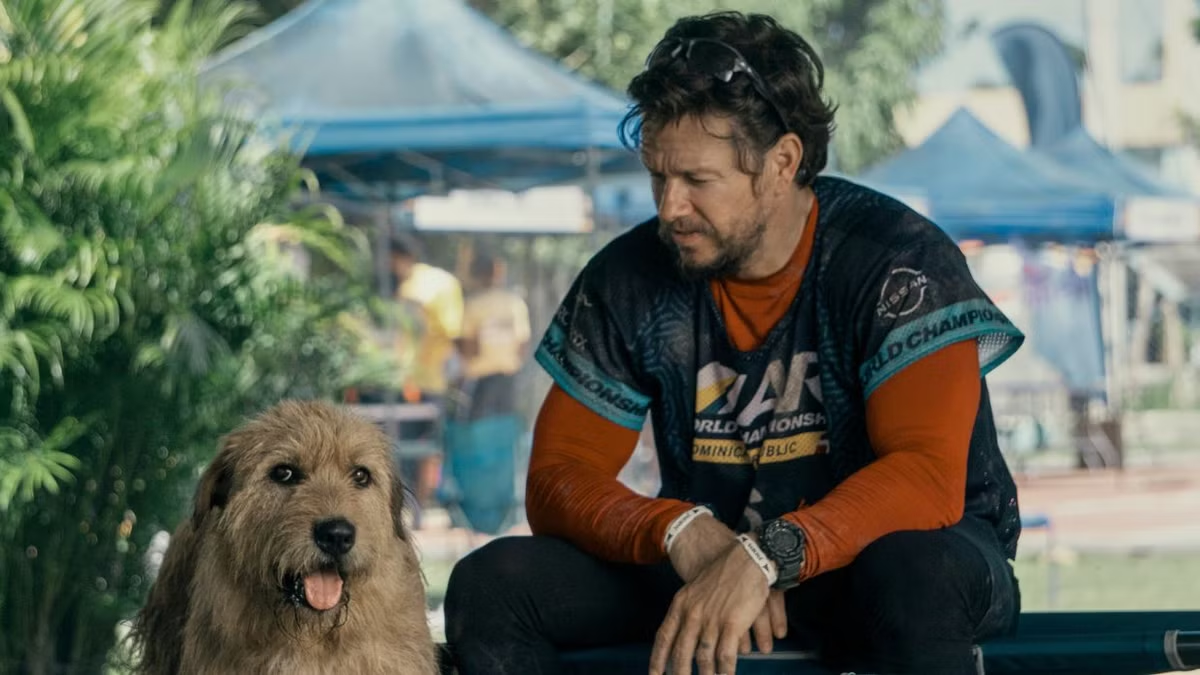
In 2014, a single photo went viral: a muddy stray dog following a team of adventure racers through the Ecuadorian jungle. That image captured millions of hearts and launched an extraordinary journey that would span continents, spark international controversy, and ultimately inspire the 2024 film “Arthur the King True Story” starring Mark Wahlberg.
This is the complete true story of Mikael Lindnord or Arthur the King True Story, Team Peak Performance, and the stray dog who became King Arthur—including the 2026 updates on his lasting legacy.
Table of Contents
The Real Story Behind Arthur the King
The core true events began during the 2014 Adventure Racing World Championship in Ecuador, where Swedish racer Mikael Lindnord encountered a scruffy, wounded stray dog in the jungle. On day four of the grueling 435-mile race (700-kilometer), Lindnord shared a meatball with the hungry animal during a brief rest stop. That single act of kindness changed everything.
The dog, later named Arthur, refused to leave. He followed Team Peak Performance through mountains, dense jungles, and treacherous rivers, running alongside their bikes, trekking through mud, and even swimming next to their kayak during the water portions of the race. Despite his poor condition—covered in wounds, malnourished, and clearly suffering—Arthur demonstrated unwavering determination to stay with the team.
Mikael Lindnord faced an impossible choice: abandon the dog to secure a better race placement or sacrifice their competitive position to ensure Arthur’s survival. Team Peak Performance ultimately finished in 12th place, far from their podium goals, but they gained something far more valuable. Arthur’s collapse at the finish line led to immediate veterinary care, and Lindnord’s decision to bring Arthur home to Sweden sparked a viral Twitter campaign and international fundraising effort that would forever change both their lives.
Meet the Real People: Mikael Lindnord and Team Peak Performance
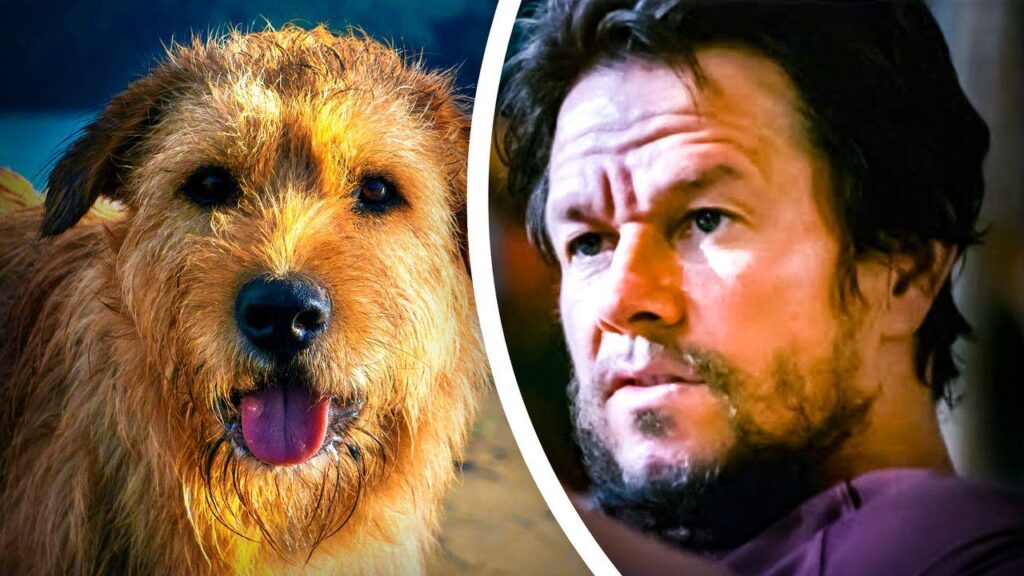
Mikael Lindnord – The Swedish Adventure Racer
Mikael Lindnord wasn’t just any competitor—he was an experienced Swedish adventure racer with years of grueling competitions under his belt. Adventure racing combines orienteering, mountain biking, kayaking, and trekking into multi-day endurance challenges that push human limits. Lindnord had competed in races across the globe, developing a reputation for mental toughness and strategic navigation.
The 2014 race represented a significant opportunity for Lindnord and his team. The Adventure Racing World Championship in Ecuador offered challenging terrain and international recognition. Winning or placing high could validate years of training and sacrifice. Instead, the race became the most meaningful experience of his career for entirely different reasons.
Team Peak Performance Members
Team Peak Performance consisted of four dedicated athletes, each bringing crucial skills:
Staffan Björklund served as a key strategist and navigator, helping guide the team through Ecuador’s complex terrain. His experience in previous world championships proved invaluable during critical decision-making moments.
Simon Niemi provided technical expertise and physical strength during the mountain biking segments. His endurance helped maintain pace even as the team made sacrifices for Arthur.
Karen Lundgren was the sole female member, bringing both athletic prowess and emotional intelligence that helped the team navigate the ethical dilemma of Arthur’s presence.
The team dynamics shifted dramatically once Arthur joined them. What began as a competitive racing unit transformed into a rescue mission. The movie changed their identities significantly—converting the all-white Swedish team into a diverse American casting featuring Mark Wahlberg as Michael Light (the fictionalized version of Mikael Lindnord), Simu Liu, Nathalie Emmanuel, and Ali Suliman, reflecting Hollywood’s push for modern representation.
The 2014 Ecuador Race: A Day-by-Day Breakdown
The Race Location and Conditions
The actual 2014 Adventure Racing World Championship took place in Ecuador, not the Dominican Republic shown in the film. This change was purely logistical—filming in the Dominican Republic offered better production infrastructure and cost savings. However, Ecuador’s authentic terrain was far more challenging: 435 miles of extreme elevation changes, from Andean mountains exceeding 12,000 feet to dense Amazonian jungle at sea level.
Teams faced torrential rain, ankle-deep mud, rope climbs over waterfalls, and river crossings with strong currents. The 700-kilometer course required navigation without GPS in many sections, relying on traditional map-and-compass orienteering. Sleep deprivation, equipment failures, and physical injuries were common.
The Moment Everything Changed
Day 4 marked the turning point. During a brief food stop in a small jungle checkpoint, Lindnord noticed a bedraggled dog watching the team eat. The stray dog was in terrible condition: open wounds covered his body, ribs visible through matted fur, and he walked with a limp. Against race protocol (which discouraged interaction with local animals), Lindnord tossed the dog a meatball from his ration.
The dog devoured it, approached cautiously, and when the team prepared to leave, he simply started following. Initially, the team assumed he’d give up after a few hundred meters. He didn’t.
The Journey Together
Arthur’s determination became legendary. During the biking through mud sections, he ran alongside the cyclists, maintaining pace even through rivers and forest paths that challenged the bikes themselves. When Team Peak Performance entered the jungle trekking portions, Arthur navigated the same treacherous terrain, climbing over fallen logs and wading through swamps.
The kayaking challenge presented Arthur’s most dangerous test. The race route included approximately 36 miles of ocean kayaking and river navigation. Arthur, without hesitation, jumped into the water and began swimming next to Lindnord’s kayak. The team had to slow their pace, allow Arthur to rest by holding onto the kayak, and ensure he didn’t drown from exhaustion.
The team’s dilemma intensified hourly: win or save Arthur. Every minute spent helping Arthur cost them positions in the race rankings. Other teams passed them. Their competitive dreams slipped away. But the bond forming between human and animal transcended trophies.
The Finish Line
Team Peak Performance crossed the finish line in 12th place—respectable but far from their podium aspirations. Immediately upon finishing, Arthur collapsed from complete exhaustion. Race organizers and volunteers rushed him to receive immediate veterinary care. The stray dog had run, swam, and trekked 435 miles through some of Earth’s most challenging terrain.
Veterinarians discovered severe dehydration, infected wounds, parasites, and malnutrition. Arthur required extensive medical treatment just to stabilize. But he’d survived. And Mikael Lindnord had already decided: Arthur was coming home to Sweden.
How Arthur Got to Sweden: The Adoption Journey
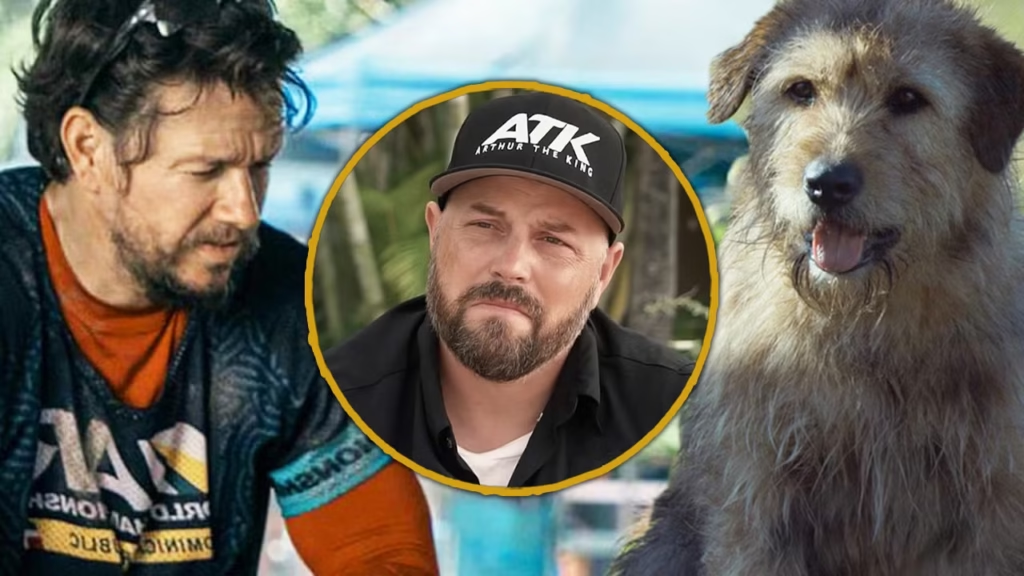
Getting a street dog from Ecuador to Sweden proved nearly as challenging as the race itself. Lindnord launched a Twitter campaign that went viral within days, with #BringArthurHome trending globally. The emotional story resonated with animal lovers worldwide.
PayPal fundraising efforts collected thousands of dollars to cover veterinary treatments, legal fees, quarantine costs, and international transport. The expenses were substantial, but donations poured in from every continent.
The Ecuadorian Minister of Agriculture became personally involved, navigating the complex bureaucracy required to export an undocumented animal. Ecuador’s animal export laws weren’t designed for this scenario—Arthur had no ownership papers, no vaccination history, and no breed documentation.
The Swedish Board of Agriculture approval process required extensive health screenings, proof of rabies vaccinations, parasite treatments, and legal assurances that Arthur posed no public health risk. Swedish import regulations are notoriously strict for animal welfare reasons.
Arthur faced a mandatory 4-month quarantine period in Sweden, isolated to ensure he carried no infectious diseases. During this time, extensive veterinary treatments addressed his wounds, dental issues, parasites, and malnutrition effects. The medical bills exceeded $10,000.
In March 2015, Arthur finally arrived at Lindnord’s home in Sweden, completing his incredible journey from nameless stray to beloved family member. The arrival was documented across social media, with millions following Arthur’s transition to domestic life.
The Barbuncho Controversy Explained
Vicente Quiñónez’s Claim
Just as Arthur’s story reached peak popularity, controversy erupted. Vicente Quiñónez, an Ecuadorian man, publicly claimed ownership of Arthur, stating the dog’s real name was “Barbuncho” and that he’d been searching for his lost pet.
Quiñónez presented evidence including photos of a similar-looking dog and testimony from neighbors who corroborated his claim. He argued that Arthur/Barbuncho had escaped from his property weeks before the race and that Lindnord had essentially stolen his dog.
Community reactions in Ecuador were mixed. Some locals supported Quiñónez, viewing the situation as a wealthy foreigner taking advantage. Others questioned why, if Quiñónez truly owned the dog, Arthur was in such terrible condition with untreated wounds and severe malnutrition.
The International Debate
The controversy highlighted complex issues around animal welfare vs ownership rights. In many parts of Ecuador, dogs roam freely, receive minimal veterinary care, and exist in a gray area between “owned” and “stray.” Cultural differences in pet care became apparent—what constitutes responsible ownership varies dramatically between rural Ecuador and urban Sweden.
Social media backlash against Lindnord was intense. Critics accused him of “dognapping,” cultural imperialism, and exploiting a poor country’s resources. Supporters countered that Arthur’s condition proved he wasn’t receiving adequate care, regardless of technical ownership.
Mikael Lindnord’s response was measured and respectful. He offered to return Arthur if Quiñónez could provide verifiable proof of ownership and veterinary records showing proper care. He also offered financial compensation. However, he publicly stated his belief that Arthur’s condition when found indicated neglect or abandonment.
Ultimately, Quiñónez dropped the claim without ever providing substantial proof. Speculation suggested that international scrutiny, potential legal complications, and the reality that Arthur was thriving in Sweden influenced the decision.
From a 2026 perspective, the ethical considerations remain complex. The controversy sparked important discussions about animal welfare standards, international pet adoption ethics, and the responsibilities of ownership versus the rights of animals to receive proper care.
Arthur’s Life in Sweden (2015-2020)
Arthur’s integration into the Lindnord family was seamless and joyful. He adapted quickly to Swedish winters, home comforts, and regular meals—a stark contrast to his previous street existence. Mikael’s wife, Helena (portrayed by Juliet Rylance in the film), and their children welcomed Arthur as a full family member.
Adventures with Mikael continued, though in safer forms. They hiked Swedish forests, explored beaches, and Arthur even accompanied Lindnord on training runs. The bond formed during that 435-mile race only deepened. Arthur’s personality emerged: playful, loyal, protective, and surprisingly gentle despite his rough past.
Arthur became an international symbol of resilience and the human-animal bond. His story represented hope, second chances, and the profound impact of simple kindness. Social media presence grew to hundreds of thousands of followers who tracked Arthur’s Swedish adventures.
Mikael Lindnord wrote a book titled “Arthur: The Dog Who Crossed the Jungle to Find a Home,” which became an international bestseller and was later adapted into the Mark Wahlberg film. The book detailed not just the race, but Arthur’s adjustment to Sweden, the Barbuncho controversy, and the deeper meaning of their connection.
The Arthur Foundation was established to honor Arthur’s legacy while he was still alive, focusing on stray dog rescue, promoting responsible pet ownership, and improving animal welfare laws internationally.
Arthur’s Death and Legacy
On December 8, 2020, Arthur received a devastating diagnosis: a malignant tumor. Cancer had spread aggressively, and veterinarians offered little hope. The diagnosis came just weeks before film production began on “Arthur the King,” adding tragic irony to the timing.
Arthur’s final days were filled with love. The Lindnord family surrounded him, ensuring he felt safe and cherished. Mikael later described the heartbreak of watching his best friend fade, knowing that Arthur had survived incredible hardships only to succumb to an invisible enemy.
The impact on Mikael and family was profound. Arthur wasn’t just a pet—he represented a life-changing experience, a daily reminder of what truly matters. His death left a void that no other dog could fill.
Weeks before film production began meant that Mark Wahlberg and the cast prepared to portray a story whose hero had just died. The film became a memorial as much as an adaptation.
Global mourning demonstrated Arthur’s reach. Tributes poured in from around the world. People who’d never met Arthur felt genuine grief. His story had transcended the individual dog to represent something universal about loyalty, kindness, and connection.
The Arthur Foundation and Lasting Impact
The Arthur Foundation’s mission and work expanded significantly after Arthur’s death, becoming his living legacy. The foundation focuses on three primary areas: rescuing stray dogs from dangerous situations, funding veterinary care for animals that would otherwise be euthanized, and advocating for stronger animal welfare legislation.
The most significant achievement was Ecuador’s LOBA law (Ley Orgánica de Bienestar Animal), passed in 2024. This comprehensive animal welfare legislation criminalized animal cruelty, mandated minimum care standards, required sterilization programs for stray populations, and established penalties for abandonment. The law represented a dramatic shift in Ecuador’s legal framework, directly inspired by Arthur’s story and the international attention it generated.
Animal welfare improvements since 2014 in Ecuador include municipal sterilization clinics, increased adoption programs, and community education initiatives. Arthur’s story became a case study in how individual actions can spark systemic change.
Mikael’s continued advocacy in 2026 includes speaking engagements, partnerships with international animal welfare organizations, and fundraising for foundation initiatives. He’s become a respected voice in animal rights circles, leveraging Arthur’s story to drive policy changes.
The foundation estimates they’ve helped over 3,000 dogs since establishment, providing medical care, facilitating adoptions, and funding rescue operations across South America and beyond.
Current projects and initiatives include building a shelter in Ecuador bearing Arthur’s name, developing educational programs for children about responsible pet ownership, and lobbying for similar legislation in other countries with high stray populations.
Movie vs Reality: What Changed in Arthur the King (2024)
| Element | Real Story | Movie Version | Why Changed |
|---|---|---|---|
| Location | Ecuador | Dominican Republic | Filming logistics and cost savings |
| Main character | Mikael Lindnord (Swedish) | Michael Light (American) | US audience appeal and marketability |
| Team ethnicity | All white Swedish team | Diverse international casting | Modern representation standards |
| Race placement | 12th place | 2nd place | Heightened dramatic effect |
| Cliff scene | GPS navigation error | Dog saves team from cliff | Hollywood drama and hero moment |
| Team size | 4 members | 4 members (different identities) | Accurate structure, changed backgrounds |
| Arthur’s condition | Severely malnourished, wounded | Cleaned up for film | Visual palatability |
| Controversy | Barbuncho ownership claim | Largely omitted | Simplified narrative |
Additional Changes Detailed:
Timeline compression: The actual race lasted 6 days; the film condenses this to create continuous tension. The 4-month quarantine and adoption process is reduced to brief montage sequences.
Character motivations: Michael Light (Mark Wahlberg’s character) is given a backstory of redemption and proving himself after past failures—elements not present in Mikael Lindnord’s actual motivation, which was simply competitive spirit and team loyalty.
Emotional beats added: The film includes manufactured conflicts between team members about keeping Arthur, dramatic near-death moments, and a climactic scene where Arthur allegedly saves the team from a cliff—none of which happened in reality.
Social media angle emphasized: While the real Twitter campaign was significant, the film amplifies this element to reflect modern storytelling expectations, showing real-time viral moments that were actually spread over weeks.
Director Simon Cellan Jones defended these changes as necessary for cinematic storytelling while maintaining the emotional truth of Lindnord and Arthur’s bond.
The Cast: Who Played Who
Mark Wahlberg starred as Michael Light, the fictionalized American version of Mikael Lindnord. Wahlberg underwent significant physical training for the adventure racing sequences, though stunt doubles handled the most dangerous kayaking and climbing scenes.
Ukai, a rescue dog from an animal shelter, portrayed Arthur. The dog actor’s physical similarities to the real Arthur were remarkable, though Ukai received far better treatment on set than Arthur ever experienced on Ecuador’s streets.
Simu Liu, Nathalie Emmanuel, and Ali Suliman played the diverse international team members, replacing the actual all-Swedish Team Peak Performance. Their characters were composite creations rather than direct portrayals of Staffan Björklund, Simon Niemi, or Karen Lundgren.
Juliet Rylance portrayed Helena, Michael Light’s wife, bringing emotional depth to the home-front sequences showing the family’s decision to adopt Arthur despite logistical challenges.
Simon Cellan Jones directed the film with a focus on authentic action sequences and genuine emotion rather than over-sentimentalizing the dog story.
The production timeline ran from January 2021 through May 2021, with extensive location shooting in the Dominican Republic doubling for Ecuador. Post-production and the film’s release were delayed until March 2024, partly due to the COVID-19 pandemic and partly to refine the visual effects needed for the adventure racing sequences.
Frequently Asked Questions
Is Arthur the King based on a true story?
Yes, “Arthur the King” is based on the real events of Swedish adventure racer Mikael Lindnord who met a stray dog during the 2014 Adventure Racing World Championship in Ecuador. The dog followed his team 435 miles and was eventually adopted to Sweden.
Did Arthur really follow the team 435 miles?
Absolutely. Arthur ran, swam, and trekked the entire 700-kilometer race course alongside Team Peak Performance, including dangerous kayaking sections where he swam next to their boats through rivers and ocean waters.
What happened to the real Arthur?
Arthur lived happily with the Lindnord family in Sweden from March 2015 until December 8, 2020, when he died from a malignant tumor. He was approximately 8-10 years old at the time of death.
Who was the real owner of Arthur?
Vicente Quiñónez claimed Arthur was his dog named “Barbuncho,” but dropped the claim after failing to provide proof. Most evidence suggests Arthur was a genuine stray given his poor condition and lack of veterinary care when found.
Where is Mikael Lindnord now in 2026?
Mikael Lindnord continues animal welfare advocacy through the Arthur Foundation, gives international speaking engagements, and works on expanding Ecuador’s animal welfare legislation to other countries while raising his family in Sweden.
Can I visit the Arthur Foundation?
The Arthur Foundation operates primarily online and through partner organizations. They maintain an office in Sweden and support projects in Ecuador, with information and contact details available through their official website for donation and volunteer opportunities.
How accurate is the Mark Wahlberg movie?
The film captures the emotional essence accurately but changes significant details: location (Dominican Republic instead of Ecuador), character nationalities, race placement (2nd instead of 12th), and adds fictional dramatic elements like the cliff-saving scene.
What breed was Arthur?
Arthur was a mixed breed with no definitive pedigree. Veterinarians estimated he had characteristics of various South American street dog populations, possibly including terrier, shepherd, and hound genetics in his ancestry.
Arthur’s Story in 2026: Why It Still Matters
Twelve years after that fateful meatball changed two lives forever, Arthur’s story maintains powerful relevance. The global stray dog crisis affects an estimated 200 million dogs worldwide, with millions suffering from neglect, starvation, and preventable diseases. Arthur’s individual rescue highlighted this massive issue, proving that single acts of compassion can spark worldwide movements.
The lessons learned extend beyond animal welfare. Arthur’s story demonstrates how choosing kindness over competition, connection over victory, and compassion over convenience can create meaning that outlasts any trophy. Mikael Lindnord sacrificed race placement for a dog’s life—and gained something infinitely more valuable.
The LOBA law in Ecuador, improved stray management programs across South America, and thousands of dogs helped by the Arthur Foundation represent tangible change. How one act of kindness created such ripples proves that individual choices matter, that seemingly small decisions can alter countless lives.
For readers moved by Arthur’s journey, consider supporting local animal rescues, advocating for stronger welfare legislation, or simply showing kindness to a stray animal in need. Arthur’s legacy lives through every dog saved, every law passed, and every person who chooses compassion.
Conclusion
From a muddy jungle in Ecuador to a loving home in Sweden, from a nameless stray to King Arthur, this extraordinary true story transcends typical dog tales. Mikael Lindnord and Arthur’s bond reminds us that the most meaningful victories aren’t measured in race times or placements, but in the connections we forge and the lives we touch. Arthur’s enduring legacy continues inspiring animal rescue efforts worldwide, proving that one meatball, one choice, one act of kindness can change everything.