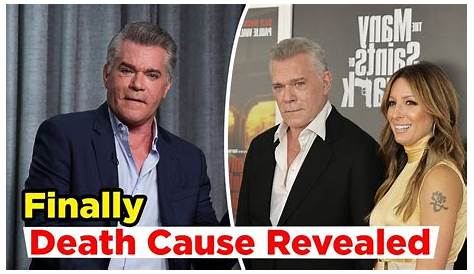
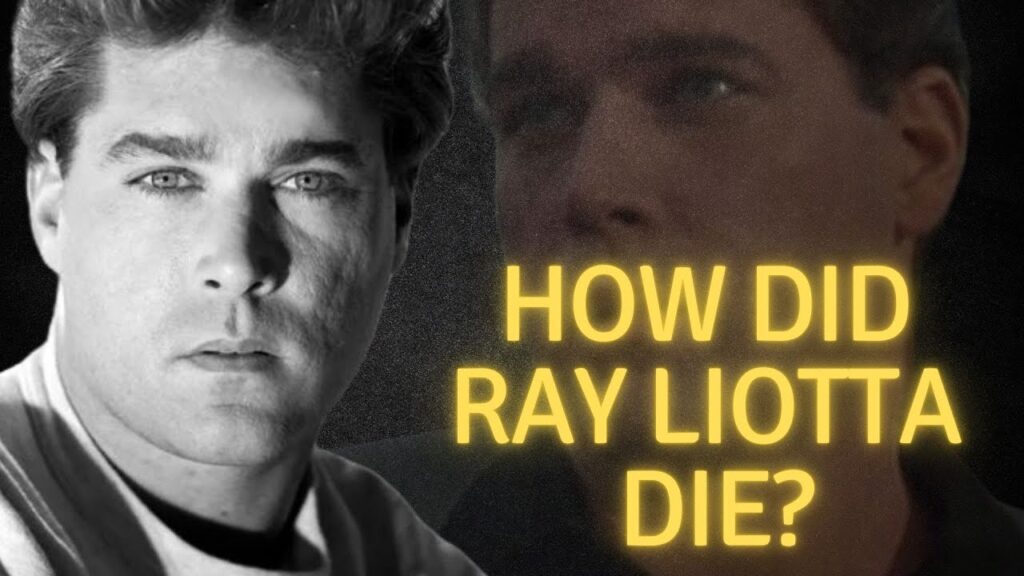
I’ll be honest with you—when I first heard Ray Liotta died, I couldn’t believe it and wonder How Did Ray Liotta Die?. You know that feeling when someone seems invincible? That’s how Goodfellas made him look. Untouchable. Intense. Alive.
But on May 26, 2022, everything changed. The 67-year-old actor died in his sleep in a hotel room in Santo Domingo, Dominican Republic. Just like that. No warning. No dramatic finale. He simply… didn’t wake up.
And here’s what really gets me—he was working. Still grinding. Still creating. Ray Liotta was filming Dangerous Waters, a movie that would become one of his final projects. The guy never stopped, never slowed down. Until his heart did.
Table of Contents
Ray Liotta Biography Table
| Category | Details |
|---|---|
| Full Name | Raymond Allen Liotta |
| Date of Birth | December 18, 1954 |
| Place of Birth | Newark, New Jersey, USA |
| Date of Death | May 26, 2022 |
| Place of Death | Santo Domingo, Dominican Republic |
| Age at Death | 67 years old |
| Cause of Death | Acute heart failure, pulmonary edema, atherosclerosis, respiratory insufficiency (Natural causes) |
| Occupation | Actor, Film Producer |
| Years Active | 1978–2022 |
| Famous For | Henry Hill in Goodfellas (1990) |
| Notable Films | Goodfellas, Field of Dreams, Cop Land, Hannibal, Narc, The Many Saints of Newark, Cocaine Bear |
| Television Work | Shades of Blue, Black Bird (posthumous Emmy nomination) |
| Marital Status | Engaged to Jacy Nittolo at time of death |
| Children | Karsen Liotta (daughter) |
| Previous Marriage | Michelle Grace (m. 1997; div. 2004) |
| Parents | Adopted by Alfred and Mary Liotta |
| Education | University of Miami (BFA in Theatre) |
| Height | 6 ft (183 cm) |
| Awards & Honors | Hollywood Walk of Fame star (2023, posthumous), Primetime Emmy nomination for Black Bird (posthumous) |
| Last Project | Dangerous Waters (filming at time of death), Cocaine Bear (released posthumously in 2023) |
| Fiancée at Death | Jacy Nittolo |
| Autopsy Findings | Cardiovascular disease, atherosclerosis, pulmonary edema, acute heart failure |
| Burial/Memorial | Private family arrangements |
| Legacy | Considered one of the greatest actors in crime drama; iconic performance in Goodfellas |
What Actually Killed Ray Liotta? The Medical Truth
Let’s cut through the speculation and get to what the autopsy actually revealed. Because there’s been confusion, misinformation, and a lot of people wondering: what did Ray Liotta die from?
The official cause of death? Acute heart failure and pulmonary edema. Now, I know those terms sound clinical—almost cold—but let me break this down in a way that makes sense.
- Pulmonary edema means fluid accumulated in his lungs. Think of it like your lungs filling with water when they’re supposed to be filled with air. It’s terrifying, really. Your body essentially drowns itself from the inside. This condition makes breathing incredibly difficult, and it often happens when the heart can’t pump blood efficiently.
- Acute heart failure is exactly what it sounds like—his heart stopped doing its job properly. But here’s the thing: it wasn’t sudden in the way we think. Heart failure doesn’t mean your heart just stops beating out of nowhere. It means it gradually loses the ability to pump blood effectively. And for Ray Liotta, there were underlying conditions making this worse.
- The autopsy also revealed atherosclerosis—a condition where plaque builds up in your arteries. Imagine your arteries are highways, and over time, they get clogged with debris. Blood can’t flow freely. Your heart has to work harder. Eventually, it just… can’t keep up.
- There was also respiratory insufficiency—his breathing system was compromised. Combined with the pulmonary edema, his lungs were essentially drowning while his respiratory system was already struggling.
What’s crucial here is that Ray Liotta’s cause of death was ruled natural causes. No foul play. No violence. No external factors. This was cardiovascular disease doing what it does—silently, gradually, and then suddenly.
I’ve seen people ask: Why did Ray Liotta die so suddenly? And the answer is: cardiovascular issues often work like that. You can feel fine one day, and the next… you’re not.
The Day Ray Liotta Died: A Timeline Nobody Wanted
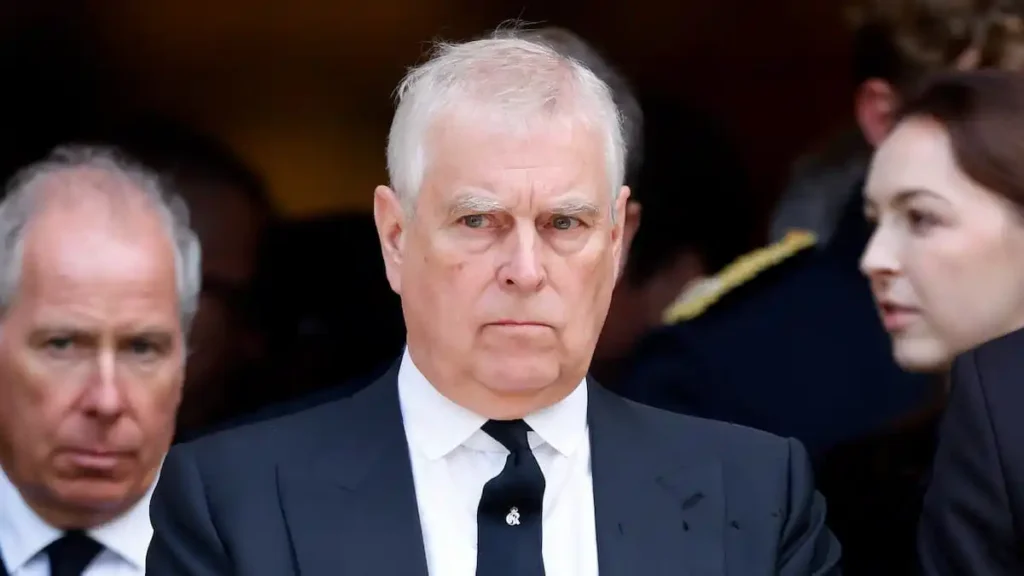
May 26, 2022. A Thursday. Ray Liotta was in the Dominican Republic, staying in a hotel while working on Dangerous Waters. He was with his fiancée, Jacy Nittolo, who would make the heartbreaking discovery.
He went to sleep that night. Just a regular night. Probably tired from filming—actors on location work brutal hours. The room was quiet. The Caribbean night surrounded them.
And he never woke up.
Jacy Nittolo found him. I can’t even imagine what that moment was like. One second you’re waking up next to someone you love, the next you’re realizing they’re gone. Just… gone.
His publicist, Jennifer Allen, confirmed the news hours later. The statement was simple, professional, what you’d expect. But between those lines? Shock. Disbelief. The entire Hollywood community reeling.
Because here’s the thing—Ray Liotta died in his sleep, which sounds peaceful, right? But there’s nothing peaceful about someone dying at 67 when they still had so much left to give. When they were still working. Still creating. Still living.
The Dominican Republic authorities investigated immediately. Standard procedure when someone dies in a foreign country. They ruled out any suspicious circumstances pretty quickly. This was a medical event, plain and simple.
But TMZ—they got their hands on the actual autopsy documents later. That’s when the specific medical details came out. That’s when we learned about the pulmonary edema, the atherosclerotic disease, the full picture of what happened inside Ray Liotta’s body that night.
Understanding Ray Liotta’s Heart Condition: What Atherosclerosis Really Means

Let me tell you something most articles skip over—atherosclerosis doesn’t happen overnight. This is a condition that builds over years, sometimes decades. And it’s incredibly common, which makes Ray Liotta’s death both tragic and, unfortunately, not that unusual for someone his age.
Atherosclerotic disease happens when fatty deposits—we call them plaques—build up inside your arteries. These aren’t just small blockages. Over time, they harden, they calcify, they narrow the pathways where your blood needs to flow.
Your heart is basically a pump, right? It needs to push blood through your entire body. But when your arteries are narrowed by atherosclerosis, your heart has to work harder. Much harder. It’s like trying to push water through a clogged pipe—eventually, the pump gives out.
For Ray Liotta, this meant his heart was already under stress. His cardiovascular disease was a ticking clock nobody could hear. Add in the pulmonary edema, and you’ve got a perfect storm of respiratory and cardiac failure.
Here’s what people don’t realize: atherosclerosis is often silent. You don’t feel it building up. You don’t wake up one day thinking, “Hmm, my arteries feel clogged.” You might feel tired. You might have shortness of breath. But those symptoms? They’re easy to brush off, especially when you’re working 12-hour days on a film set.
The respiratory insufficiency compounded everything. When your lungs can’t process oxygen efficiently, and your heart can’t pump blood effectively, your body starts shutting down. And once that cascade begins? It’s hard to stop.
Ray Liotta’s death was ruled non-violent, which means there was no external trauma, no accident, no sudden injury. This was his body—specifically his heart and lungs—simply reaching their limit.
I’ve read medical papers on this (yeah, I went down that rabbit hole), and what strikes me is how common this combination is. Acute heart failure plus pulmonary edema in someone with underlying atherosclerosis? It happens to thousands of people every year. But when it’s someone we know, someone whose face we’ve seen on screen for decades, it hits different.
Ray Liotta’s Final Project: Filming “Dangerous Waters” When He Died
There’s something poetic and deeply sad about the fact that Ray Liotta was working when he died. Not metaphorically—literally. He was on location in Santo Domingo, in the middle of filming Dangerous Waters, a thriller that would eventually release after his death.
Can you imagine? You’re the director, the crew, the other actors. You’re working with this legend, this intensity of talent, and then one morning… he’s not there. Not coming to set. Not ever coming back.
Dangerous Waters wasn’t some throwaway project, either. Ray Liotta was still choosing roles carefully, still bringing that signature intensity to his performances. Even at 67 years old, he wasn’t coasting on past glory. He was working.
And here’s what gets me—he was with Jacy Nittolo, his fiancée. They were supposed to be building a life together. Getting married. Growing old. All those plans, all that future, just… stopped.
The production shut down immediately, of course. Out of respect. Out of shock. How do you continue filming when you’ve just lost your lead actor? When someone died right there, in that location, in that hotel?
The movie did eventually finish and release in 2023. I haven’t watched it yet. Part of me doesn’t want to. It feels too much like watching a ghost. Knowing that while he was filming those scenes, his heart was already failing. His lungs were already compromised. The atherosclerosis was already there, waiting.
The Legacy Ray Liotta Left Behind: More Than Just “Goodfellas”
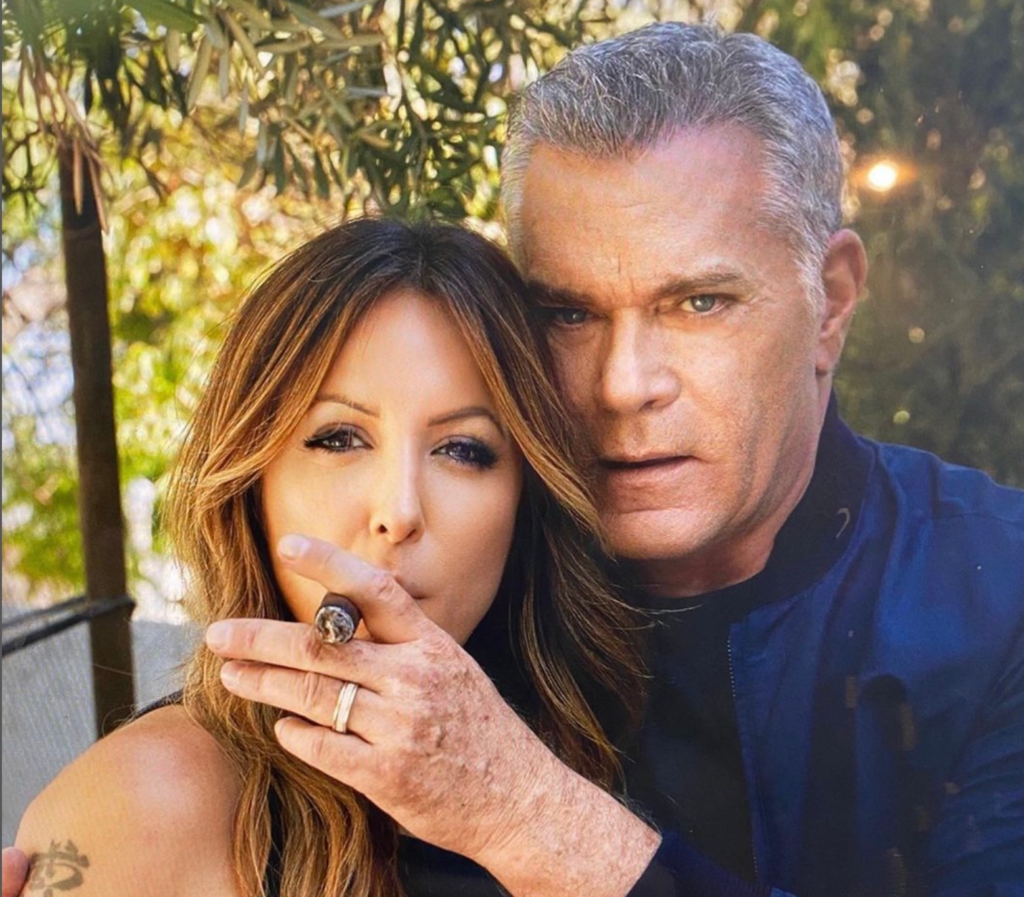
Let’s talk about what really matters—the work. Because when we ask “how did Ray Liotta die,” we should also ask: “How did Ray Liotta live?”
And man, did he live.
Everyone knows him as Henry Hill in Goodfellas. That’s the role. The one that made him immortal. Martin Scorsese’s 1990 masterpiece where Ray Liotta played a mobster with such magnetic intensity that you couldn’t look away. That manic laugh. Those eyes. The way he could switch from charming to terrifying in a single beat.
Robert De Niro and Joe Pesci got most of the awards attention—that’s just how it goes sometimes—but ask anyone who loves that film: Ray Liotta was that movie. He was the heart. The center. The guy you followed through the entire criminal underworld.
But here’s what people forget: he was in Field of Dreams too. Shoeless Joe Jackson. A completely different vibe—gentle, nostalgic, almost spiritual. That’s range. That’s an actor who could do anything.
And he never stopped. The Many Saints of Newark. Black Bird, which earned him posthumous Emmy recognition. Shades of Blue with Jennifer Lopez. Cocaine Bear—yes, that wild movie about a bear on cocaine—released after his death in 2023.
He even got his Hollywood Walk of Fame star in 2023. Posthumously. His daughter, Karsen Liotta, was there for the ceremony. Can you imagine? Accepting that honor for your dad who’s not there to see it?
That’s the thing about how Ray Liotta died—it feels unfinished. Like there should’ve been more time. More roles. More chances to see what he could do next.
What Happened in 2023: The Autopsy Report That Revealed Everything
For months after Ray Liotta died, people speculated. Was it drugs? An accident? Something more sinister? Because that’s what we do, isn’t it? We fill in the blanks with our fears and assumptions.
But in 2023, TMZ obtained the full autopsy report. And that’s when we got the complete medical picture.
The documents confirmed:
- Pulmonary edema (fluid in the lungs)
- Acute heart failure (his heart stopped pumping effectively)
- Atherosclerosis (plaque buildup in arteries)
- Respiratory insufficiency (breathing problems)
All of these together painted a clear picture: this was cardiovascular disease. Natural causes. His body simply couldn’t sustain itself anymore.
The report also confirmed there was no external trauma. No drugs in his system. No alcohol involved. This wasn’t a Hollywood tragedy in the way we’ve sadly seen before. This was a medical condition that had likely been developing for years.
CBS News broke down the findings. FOX sites reported the details. All That’s Interesting did a comprehensive analysis. Wikipedia updated his page with the official cause of death.
And you know what? I think there was almost relief in that clarity. Not relief that he died—God, no—but relief that it wasn’t something preventable in that moment. Wasn’t something violent or accidental. It was just… his time. His heart gave out.
The Medical Conditions That Contributed: A Deeper Look
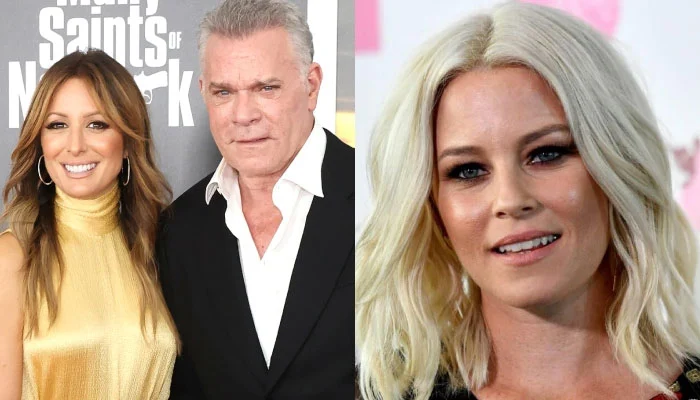
I want to get a bit more technical here because understanding why Ray Liotta died helps us understand how common these conditions actually are.
- Cardiovascular disease is the number one killer globally. It’s not rare. It’s not unusual. Over 800,000 Americans die from heart disease every year. Ray Liotta became one of those statistics, but his celebrity put a face to numbers we usually ignore.
- Atherosclerotic disease develops slowly. You might have perfect cholesterol in your 30s and gradually develop plaque buildup through your 40s, 50s, and 60s. Diet, genetics, stress, lifestyle—all of it contributes. And for actors? The stress is immense. Irregular schedules. Travel. Pressure. It all takes a toll.
- Pulmonary edema can be caused by heart failure—when your heart can’t pump effectively, blood backs up into the vessels of your lungs, forcing fluid into the air sacs. You essentially drown in your own fluid. It’s as horrifying as it sounds.
- Respiratory insufficiency means your breathing system can’t maintain adequate gas exchange. Your lungs can’t deliver enough oxygen or remove enough carbon dioxide. Combined with pulmonary edema, this becomes critical very quickly.
What’s haunting is that Ray Liotta might not have even known how serious his condition was. Many people with advancing atherosclerosis feel fine until they suddenly don’t. The heart is incredibly resilient—until it isn’t.
The Caribbean Location: Why Ray Liotta Was in the Dominican Republic
Santo Domingo isn’t just where Ray Liotta died—it’s where he was living his life. Working on Dangerous Waters. Experiencing a new location. Doing what actors do.
The Dominican Republic has become a popular filming location. Beautiful scenery. Tax incentives. Experienced crews. It makes sense from a production standpoint.
But filming on location also means being away from your regular doctors. Your familiar surroundings. If Ray Liotta had been experiencing symptoms—shortness of breath, fatigue, chest discomfort—he might have brushed them off as stress or exhaustion from filming.
That hotel room in Santo Domingo became the place where his heart finally stopped. Where the acute heart failure reached its conclusion. Where Jacy Nittolo woke up to a nightmare.
I’ve thought about this a lot—would it have been different if he’d been in Los Angeles? In Newark, New Jersey, where he grew up? Does location matter when your cardiovascular system is failing?
Probably not. Probably the pulmonary edema would have happened anyway. The atherosclerosis was there regardless of geography. But there’s something about dying far from home that makes it feel even more tragic.
Ray Liotta’s Personal Life: The People He Left Behind
Jacy Nittolo lost her fiancé. Not her husband—they hadn’t gotten married yet. All those plans, that future they’d imagined together, just… stopped.
She was there that morning. She’s the one who found him. That’s a trauma I can’t even begin to comprehend. And the strength it must have taken to handle the aftermath, the arrangements, the media attention while grieving—I can’t imagine.
Karsen Liotta, his daughter, lost her father. She was just starting her own acting career, following in his footsteps. She’d posted photos with him on social media, celebrating Father’s Day, talking about how proud she was of him. And then he was gone.
Jennifer Allen, his publicist, had to be the one to tell the world. Had to craft that statement. Had to manage the news cycle while probably crying herself. That’s the thing about sudden death—it doesn’t just affect family. It ripples out through everyone who knew him, worked with him, loved him.
The Hollywood community mourned hard. Martin Scorsese released a statement. Robert De Niro spoke about losing his friend. Joe Pesci, notoriously private, acknowledged the loss. Jennifer Lopez, who worked with him on Shades of Blue, expressed her grief.
Because Ray Liotta wasn’t just an actor. He was a colleague. A friend. A fiancé. A father. A human being who died too soon, with too much left unsaid and undone.
Comparing Ray Liotta’s Death to Other Sudden Celebrity Deaths

What is it about sudden celebrity deaths that shock us so much? James Gandolfini died of a heart attack at 51 in Rome. Philip Seymour Hoffman at 46 from a drug overdose. Chadwick Boseman from cancer at 43, which almost nobody knew he had.
Ray Liotta’s death fits into this pattern of celebrities dying unexpectedly, but with a key difference—his was entirely natural. No addiction. No hidden illness he was fighting in secret. Just cardiovascular disease doing what it does.
And maybe that’s why it hit so hard. Because if it could happen to Ray Liotta—someone who seemed vital, who was still working, who had plans and a future—it could happen to anyone.
The autopsy ruling of natural causes means we can’t point to any specific preventable factor. We can’t say “if only he’d…” because the atherosclerosis and cardiovascular disease were likely genetic, age-related, and progressive regardless of lifestyle choices.
The 2023 Hollywood Walk of Fame Honor: A Posthumous Recognition
On May 22, 2023—almost exactly a year after he died—Ray Liotta got his star on the Hollywood Walk of Fame. A permanent mark. A recognition of his contributions to cinema.
Karsen Liotta was there. Martin Scorsese spoke. The ceremony was beautiful and heartbreaking because the one person who should’ve been there wasn’t.
I’ve always found posthumous honors bittersweet. They’re important—they solidify legacy, they honor achievement—but they also feel like a consolation prize. Ray Liotta should’ve been standing there, seeing his name permanently etched into Hollywood history.
The star is on Hollywood Boulevard, where millions of tourists walk every year. They’ll see his name. Some will remember Goodfellas. Some will remember Field of Dreams. Some will google “Ray Liotta cause of death” and end up here, learning about pulmonary edema and acute heart failure and atherosclerosis.
That’s legacy, I guess. Living on through the work, through the impact, through the people who remember you.
Understanding Heart Disease: What Ray Liotta’s Death Teaches Us
Here’s what I think we should take away from understanding how Ray Liotta died: cardiovascular disease is serious, it’s common, and it’s often silent.
Atherosclerosis doesn’t announce itself. You don’t get a warning letter from your arteries saying “Hey, we’re getting clogged up in here.” You might feel fine until you’re not fine.
Acute heart failure can happen to someone who seems healthy. Ray Liotta was working full days on a film set. He was 67, sure, but he was active, engaged, living his life. And his heart still failed.
Pulmonary edema can develop quickly, especially if there’s underlying heart disease. Your lungs filling with fluid, your respiratory insufficiency worsening—these aren’t processes that necessarily give you time to get help.
The lesson isn’t fear. It’s awareness. Regular checkups. Knowing your risk factors. Understanding that natural causes doesn’t mean inevitable or unpreventable—it just means there wasn’t an external factor.
If Ray Liotta had known the extent of his atherosclerotic disease, would it have changed anything? Maybe. Maybe he could’ve managed it differently. Maybe he’d still be here.
Or maybe his 67 years were all he was meant to have. Maybe his legacy was meant to be Goodfellas and Field of Dreams and Black Bird and dozens of other roles that showcased his incredible range.
The Film Industry’s Reaction: Tributes and Remembrances
When news broke that Ray Liotta died, social media exploded with tributes. Not the fake Hollywood kind—genuine grief from people who’d worked with him, admired him, learned from him.
Martin Scorsese’s statement was particularly moving. He talked about Ray Liotta’s commitment to the craft, his intensity, his ability to find humanity in even the darkest characters. This was the director who’d made him immortal with Goodfellas, acknowledging the loss of someone irreplaceable.
Robert De Niro, notoriously private about personal matters, went on record expressing his sadness. For De Niro to break his usual silence says everything about what Ray Liotta meant to his peers.
The tributes weren’t just from A-listers either. Crew members shared stories. Supporting actors posted memories. People who’d worked with him for a day or a decade all had the same thing to say: he was professional, intense, dedicated, and kind.
That last one always surprises people. Intense actors like Ray Liotta—who could play violent mobsters so convincingly—are often assumed to be difficult or unapproachable. But the consistent message from everyone who knew him was: he was a good guy. Hardworking. Respectful. Present.
What the Autopsy Actually Revealed: The Technical Details
I want to get specific here because understanding what killed Ray Liotta means understanding the medical terminology in the autopsy report.
- Pulmonary edema, as I mentioned, is fluid in the lungs. The autopsy would have shown this through gross examination—the lungs would have been heavier than normal, congested, with fluid visible in the airways.
- Acute heart failure means the heart couldn’t pump effectively anymore. This isn’t the same as a heart attack (myocardial infarction), where a clot blocks blood flow. This is the heart muscle itself being too weak or damaged to function properly.
- Atherosclerosis would have been visible in the coronary arteries—the vessels that supply blood to the heart itself. The pathologist would have seen plaques, narrowing, calcification. The severity of this would have been documented.
- Respiratory insufficiency is somewhat harder to pinpoint on autopsy because it’s often a functional diagnosis rather than a structural one. But combined with pulmonary edema, it paints a picture of a respiratory system that couldn’t keep up.
- The ruling of natural causes is significant. It means no external factors contributed. No drugs, no trauma, no environmental poisoning. This was his body failing from internal medical conditions.
TMZ getting these documents meant the public got more detail than usual. Sometimes that feels invasive—do we really need to know these intimate medical details about someone’s death? But it also stops speculation. It gives a definitive answer to “what did Ray Liotta die from.”
The Dominican Republic Investigation: What Authorities Found
When someone dies in a foreign country, especially someone famous, authorities investigate thoroughly. The Dominican Republic police and medical examiners did exactly that.
They ruled out foul play immediately. No signs of struggle. No evidence of drugs or poisoning. The hotel room where Ray Liotta died showed no indication of anything suspicious.
This was important because, unfortunately, there have been cases of Americans dying under mysterious circumstances in the Dominican Republic. Tourism officials there are sensitive to these concerns. So when Ray Liotta’s death was investigated and ruled natural causes, that determination carried weight.
The body was eventually repatriated to the United States for the full autopsy that confirmed the acute heart failure, pulmonary edema, and atherosclerosis. But the Dominican authorities’ initial assessment was correct: this was a medical event, not a criminal one.
Ray Liotta’s Career Trajectory: From Newark to Hollywood Legend
Let me take you back to the beginning. Ray Liotta wasn’t born into Hollywood privilege. He was adopted as a baby and raised in Newark, New Jersey. Working-class background. No connections. Just talent and drive.
His early career was supporting roles, television guest spots, the usual grind. But he had something—that intensity, that presence—that made casting directors remember him.
Something Wild in 1986 got him noticed. Then came Field of Dreams in 1989, where he played the ghost of Shoeless Joe Jackson with such genuine warmth that it was hard to believe this was the same actor who would terrify audiences a year later.
And then: Goodfellas. 1990. Martin Scorsese. The role that would define his career and, in some ways, trap him. Because after you play Henry Hill that perfectly, people assume that’s all you can do.
But Ray Liotta kept working. Kept pushing. Kept taking roles that challenged that perception. Cop Land. Hannibal. Narc. Identity. He proved over and over that he had range beyond the mobster archetype.
The 2020s saw a resurgence. The Many Saints of Newark brought him back to the Sopranos universe. Black Bird on Apple TV+ showcased his ability to play complex, morally ambiguous characters. That role would earn him posthumous Emmy recognition.
He was in Cocaine Bear, which is wild and weird and exactly the kind of project an actor takes when they’re not worried about prestige, when they’re just having fun. It released in 2023, months after his death, and audiences got to see him one more time.
That’s a career. That’s a legacy. From Newark to a Hollywood Walk of Fame star. From anonymous adoption to becoming a face everyone recognizes, a voice everyone can imitate, a presence that defined an era of cinema.
The Medical Mystery: Could Ray Liotta’s Death Have Been Prevented?
This is the question everyone wants answered: if Ray Liotta had known about his cardiovascular disease, could he have prevented dying at 67?
Maybe. Probably. But also… maybe not.
Atherosclerosis can be managed with medication, lifestyle changes, sometimes surgical intervention. If he’d known the extent of the plaque buildup in his arteries, he could’ve been on statins, blood thinners, blood pressure medication. He could’ve modified his diet, exercise routine, stress levels.
But here’s the reality: many people with atherosclerotic disease don’t know they have it until something catastrophic happens. A heart attack. A stroke. Acute heart failure with pulmonary edema.
The symptoms are often vague. Fatigue—but who isn’t tired? Shortness of breath—but maybe that’s just getting older? Chest discomfort—but it passes, so maybe it’s nothing?
Actors especially tend to push through physical discomfort. You’re on set. The schedule is tight. Hundreds of people depend on you showing up. You don’t want to be the reason production shuts down. So you ignore the warning signs.
I’m not saying that’s what Ray Liotta did. I have no evidence he had symptoms he ignored. But it’s common enough in the industry that it’s worth considering.
The autopsy showed natural causes. That means his death was the result of progressive disease, not a preventable acute event. Could earlier intervention have added years to his life? Possibly. But we’ll never know.
Jacy Nittolo’s Journey: Life After Loss
I don’t know Jacy Nittolo personally. None of us do. But I think about her sometimes—about what it must be like to lose your fiancé that suddenly, that completely.
They were planning a wedding. Planning a life together. And then one morning in Santo Domingo, all those plans evaporated.
She’s maintained relative privacy since Ray Liotta died, which I respect. The media wanted her grief, wanted her story, wanted her to perform mourning for public consumption. And she declined. She grieved privately, away from cameras and think pieces and well-meaning but invasive questions.
That takes strength.
I hope she’s found peace. I hope the trauma of finding him has softened with time. I hope she can remember the good parts—the love, the laughter, the future they almost had—without being overwhelmed by the horror of how it ended.
Because that’s the thing about sudden death. It doesn’t just take the person. It takes all the futures you’d imagined. All the conversations you’ll never have. All the moments that should have been but now never will be.
The Science Behind Sudden Cardiac Death: Why It Happens
Let me break down what happens physiologically when someone experiences the combination of conditions that killed Ray Liotta.
Atherosclerosis narrows your arteries over time. This means your heart—which needs its own blood supply through the coronary arteries—isn’t getting enough oxygen-rich blood. The heart muscle starts to weaken.
A weakened heart can’t pump blood effectively. When this happens, blood backs up. In Ray Liotta’s case, it backed up into his lungs, causing pulmonary edema. Fluid leaked from his blood vessels into the air sacs of his lungs where gas exchange happens.
Now you’ve got lungs full of fluid trying to breathe. That’s respiratory insufficiency. Your body desperately needs oxygen but can’t get it because your lungs are essentially drowning.
The heart, already weak from atherosclerotic disease, can’t handle the increased strain. It’s trying to pump blood through narrowed arteries while also dealing with the backup from pulmonary edema. The workload is impossible.
And then: acute heart failure. The heart simply stops being able to pump effectively. Blood pressure drops. Organs don’t get oxygen. The brain shuts down.
In Ray Liotta’s case, this happened in his sleep. He probably didn’t suffer. Probably didn’t wake up gasping. The respiratory insufficiency and acute heart failure likely happened gradually enough that he simply… didn’t wake up.
Is that comforting? I’m not sure. It’s certainly better than the alternative—being awake and aware while your cardiovascular system fails. But it’s also terrifying that your body can just… quit. While you’re sleeping. Without warning.
This is why cardiovascular disease is so dangerous. It’s progressive, often asymptomatic, and potentially fatal. Ray Liotta died of natural causes, but those natural causes were years in the making.
Remembering Ray Liotta in 2026: Four Years Later
It’s now 2026. Four years since Ray Liotta died in that hotel room in Santo Domingo. Four years since the world lost one of the most intense, compelling actors of his generation.
Dangerous Waters is out. Cocaine Bear has become a cult classic. His performance in Black Bird is studied in acting classes. His star on Hollywood Boulevard gets photographed by tourists daily.
But mostly, when people remember Ray Liotta, they remember Goodfellas. That laugh. Those eyes. That performance that captured the rise and fall of the American dream through the lens of organized crime.
And you know what? That’s okay. Being remembered for one perfect role is better than being forgotten entirely. Henry Hill is immortal because Ray Liotta made him so.
But I also hope people remember the range. The warmth in Field of Dreams. The intensity in Narc. The complexity in Black Bird. The willingness to take risks, to play against type, to keep working even when Hollywood tried to box him in.
Four years since he died, and the autopsy findings still read the same: pulmonary edema, acute heart failure, atherosclerosis, respiratory insufficiency. Natural causes. Cardiovascular disease. A 67-year-old body that simply couldn’t sustain itself anymore.
Four years, and it still feels too soon.
Frequently Asked Questions About How Did Ray Liotta Die
1. How did Ray Liotta die?
Ray Liotta died from acute heart failure and pulmonary edema (fluid in the lungs) caused by underlying atherosclerotic cardiovascular disease. He passed away peacefully in his sleep on May 26, 2022, in Santo Domingo, Dominican Republic, while filming the movie Dangerous Waters. His death was ruled natural causes with no foul play involved.
2. What was Ray Liotta’s exact cause of death?
The official autopsy revealed Ray Liotta died from a combination of acute heart failure, pulmonary edema, atherosclerosis (plaque buildup in arteries), and respiratory insufficiency. These conditions worked together to cause his cardiovascular system to fail while he slept.
3. How old was Ray Liotta when he died?
Ray Liotta was 67 years old when he died on May 26, 2022. He was born on December 18, 1954, in Newark, New Jersey.
4. Where did Ray Liotta die?
Ray Liotta died in his hotel room in Santo Domingo, Dominican Republic. He was there filming the movie Dangerous Waters with his fiancée, Jacy Nittolo, who discovered him in the morning.
5. Was Ray Liotta sick before he died?
There’s no public evidence that Ray Liotta knew he was sick. His death appeared sudden and unexpected. The autopsy revealed underlying cardiovascular disease—specifically atherosclerosis—that had likely been developing for years, but he may not have been aware of the severity of his condition.
6. What movie was Ray Liotta filming when he died?
Ray Liotta was filming Dangerous Waters, a thriller movie, when he died. The production was taking place in the Dominican Republic. The film was eventually completed and released in 2023 after his death.
7. Who found Ray Liotta after he died?
Jacy Nittolo, Ray Liotta’s fiancée, found him in their hotel room in Santo Domingo. He had died peacefully in his sleep during the night of May 25-26, 2022.
8. Did Ray Liotta have a heart attack?
No, Ray Liotta did not have a traditional heart attack (myocardial infarction). He died from acute heart failure, which is different—his heart gradually stopped pumping effectively due to underlying atherosclerotic disease and pulmonary edema, rather than a sudden blockage.
9. What happened to Ray Liotta’s body after he died?
After the Dominican Republic authorities investigated and ruled out foul play, Ray Liotta’s body was repatriated to the United States where a full autopsy was performed. The autopsy results were later obtained by TMZ in 2023, revealing the specific medical causes of death.
The Final Word: What Ray Liotta’s Death Means for His Legacy
So what do we take from all this? From understanding how Ray Liotta died, why he died, what killed this legendary actor in his sleep on that May night?
I think we take this: life is fragile. Cardiovascular disease is real. And legacy matters more than longevity.
Ray Liotta didn’t make it to 80. Didn’t get to see his daughter’s career fully blossom. Didn’t get to marry Jacy Nittolo. Didn’t get to make all the films he might have made.
But he left behind Goodfellas. He left behind dozens of performances that showcased incredible range. He left behind a Hollywood Walk of Fame star and an Emmy nomination and the respect of directors like Martin Scorsese.
He left behind memories for Karsen Liotta and Jacy Nittolo and everyone who knew him.
He left behind this conversation—people still asking “how did Ray Liotta die,” still learning about pulmonary edema and atherosclerosis and acute heart failure because they want to understand.
That’s immortality. Not living forever. But mattering enough that people remember. That they ask questions. That they seek to understand.
Ray Liotta died of natural causes on May 26, 2022, at 67 years old. His heart failed. His lungs filled with fluid. His cardiovascular system couldn’t sustain him anymore.
But Ray Liotta—the actor, the presence, the legend—he’s not dead. He’s there on screen. In Goodfellas. In Field of Dreams. In every role where he brought that signature intensity.
He’s there in Santo Domingo too. Not literally—but in memory. In the hotel where he spent his final night. In the Dangerous Waters production he never got to finish. In the Dominican Republic itself, now forever linked to his unexpected passing.
And he’s here in this article. In these thousands of words trying to make sense of a death that, medically, makes perfect sense but emotionally feels incomprehensible.
Because that’s what death does. Even when it’s natural causes. Even when the autopsy explains everything. It still doesn’t make sense that someone so vital, so present, so alive could just… not be anymore.
Rest in peace, Ray Liotta. You died too soon. But you lived brilliantly. And that’s what we’ll remember.
Final Thoughts on Ray Liotta’s Cause of Death
If you’ve made it this far, you now know more about how Ray Liotta died than most people ever will. You understand pulmonary edema, acute heart failure, atherosclerosis, and respiratory insufficiency. You know about Santo Domingo, Dangerous Waters, and the autopsy that revealed everything.
But more than that, I hope you understand that behind those medical terms was a person. A talented actor. A fiancé. A father. Someone who was still working at 67, still chasing roles, still giving everything to his craft.
That’s the real story. Not just what killed Ray Liotta, but how he lived.
And honestly? That matters so much more.