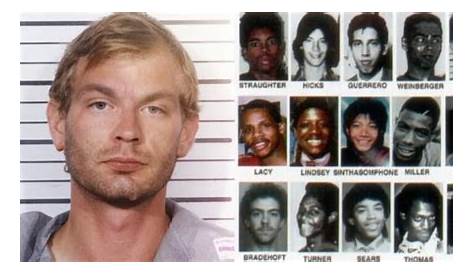
In 2026, searches for “Jeffrey Dahmer real Polaroids” continue to surge across the internet, driven by renewed interest from Netflix’s critically acclaimed yet controversial series Monster: The Jeffrey Dahmer Story.
Despite being over three decades since that horrific discovery in Milwaukee, Wisconsin, public fascination with the evidence that sealed the Milwaukee Cannibal’s fate remains disturbingly high. The 84 Polaroid photos discovered in Jeffrey Lionel Dahmer’s Oxford Apartments bedroom on July 22, 1991, represent some of the most chilling evidence ever presented in American criminal history.
This comprehensive article examines what these Polaroid pictures were, how they led to Dahmer’s arrest and conviction, and why ethical considerations should prevent you from seeking the actual images. We’ll explore the discovery timeline, psychological motivations behind the photographs, and the Netflix effect that reignited global interest.
Most importantly, we’ll honor the 17 victims whose lives were brutally taken during Dahmer’s terrifying killing spree from 1978 to 1991, ensuring their memories aren’t overshadowed by morbid curiosity about gruesome photos.
Table of Contents
What Are the Jeffrey Dahmer Real Polaroids?

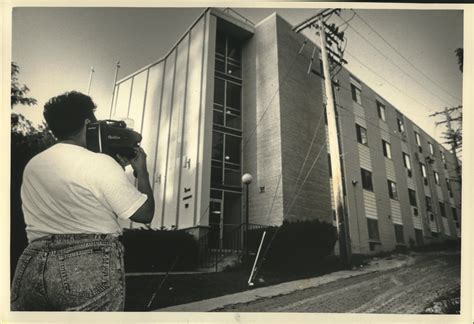
The Jeffrey Dahmer Polaroids refer to a collection of 84 Polaroid photographs discovered by Milwaukee Police Department officers during a routine arrest call that turned into one of the most horrific discoveries in American crime history. These Polaroid images were found in the bedside drawer of Dahmer’s apartment 213 at the Oxford Apartments, located at 924 North 25th Street in Milwaukee, Wisconsin.
Unlike dramatized versions seen in documentaries or the Netflix series portraying Evan Peters as the serial killer, the term “real Polaroids” specifically distinguishes the actual physical evidence from recreations. The authentic photos served as critical evidence documenting various stages of Dahmer’s crimes against his victims. These weren’t casual snapshots—they were methodical documentation that revealed the disturbing trait Dahmer exhibited throughout his killing spree: an obsessive need to possess and remember his victims even after death.
The Polaroid collection included images showing victims at different stages, serving as both trophies and mementos for the Milwaukee Cannibal. Crime scene investigators immediately recognized these photos as irrefutable evidence linking Dahmer directly to multiple murders and disappearances that had plagued Milwaukee’s predominantly Black, Latino, and Asian communities for over a decade.
The physical Polaroid pictures were processed as evidence, catalogued by the FBI, and presented during trial proceedings. Following Dahmer’s conviction on 15-16 murder charges and sentencing to 957 years in prison, the photographs were sealed as court evidence. Today, they remain locked away from public access, with many legal experts believing they’ve been destroyed to prevent their circulation and further trauma to victims’ families.
The Discovery: How Police Found the Polaroids
The discovery of Jeffrey Dahmer’s Polaroid collection came about through a combination of luck, bravery, and horror on the sweltering night of July 22, 1991. Tracy Edwards, a 32-year-old man, managed to escape from apartment 213 with handcuffs dangling from one wrist, frantically flagging down Milwaukee Police Department officers Robert Rauth and Rolf Mueller near the intersection of North 25th Street.
Edwards told officers a “freak” had tried to kill him, leading them back to the Oxford Apartments. When they arrived at Dahmer’s door around 11:30 PM, the serial killer appeared calm, even cooperative. He initially claimed the handcuffs were placed during “horseplay” and offered to retrieve the key from his bedroom. Officer Mueller, sensing something was terribly wrong, decided to investigate the bedroom himself.
What Officer Rolf Mueller discovered in that bedside drawer would forever change the trajectory of the investigation. Opening the drawer, he found stacks of Polaroid photos depicting scenes so disturbing that he immediately drew his weapon. His famous quote—”These are for real”—has been repeated in countless documentaries, books, and most recently in the Netflix series Monster: The Jeffrey Dahmer Story, where actor Shaun J. Brown portrayed Mueller’s horrific discovery.
The Polaroid images showed victims in various states of dismemberment, posed bodies, and documentation of Dahmer’s entire process. Mueller’s partner immediately placed Dahmer under arrest as backup units were called to the scene. What followed was an even more gruesome discovery: the apartment contained evidence of multiple murders including skulls, body parts stored in a refrigerator and freezer, acid-filled vats with dissolving remains, and a planned altar Dahmer claimed he was constructing using bones and photographs.
The 84 photos found that night became the cornerstone of evidence that would close numerous missing person cases, identify victims, and ensure Dahmer faced justice for his terrifying killing spree. Without Tracy Edwards’ escape and Officer Mueller’s instinct to check that drawer, Dahmer might have continued his crimes indefinitely.
Why Did Jeffrey Dahmer Take These Polaroid Photos?
Understanding the psychological motivations behind Jeffrey Dahmer’s Polaroid collection requires examining the disturbing trait that defined his crimes: an overwhelming fear of abandonment and obsessive need for complete possession. According to forensic psychiatry experts who evaluated Dahmer, the photos served multiple purposes in his twisted psychological landscape.
Dahmer himself explained during FBI interviews and court testimony that the Polaroid pictures allowed him to relive the crimes and feel a sense of companionship. Profoundly lonely despite—or perhaps because of—his actions, the Milwaukee Cannibal viewed these images as mementos that kept his victims “with him” permanently. He told investigators he would lay the photographs out and look at them when feeling isolated, creating an illusion of company.
The photos also served a practical purpose in Dahmer’s planned altar. He confessed to constructing a shrine using victims’ skulls, bones, and the Polaroid images. This altar, he claimed, would give him a sense of power and control—feelings he desperately craved. Forensic psychologist Dr. Carl Wahlstrom, who studied the case extensively, noted that Dahmer’s need to document and preserve aligned with his necrophilic tendencies and desire to create permanently submissive companions.
From a criminal profiling perspective, the systematic documentation revealed through these 84 Polaroids demonstrated planning and premeditation rather than crimes of passion. Each photograph represented a conscious decision to record and remember, contradicting any defense claims of diminished capacity. The serial killer took pictures at various stages, suggesting he derived satisfaction from reviewing his “process” repeatedly.
Dahmer’s own statements about loneliness and his inability to form lasting relationships with living people painted a tragic yet horrifying picture. He sought connection through the ultimate form of control—death and preservation. The Polaroid collection became physical manifestations of his deepest psychological pathologies, serving as both evidence of his crimes and windows into the mind of one of America’s most notorious serial killers.
What the Polaroids Actually Showed (Without Graphic Details)
While respecting the victims and their families, it’s important to understand the general nature of what the Polaroid photos depicted without delving into graphic specifics. The 84 photographs showed various stages of Dahmer’s crimes, from initial documentation through final dismemberment processes.
Some Polaroid images showed victims posed in positions before death, while others documented post-mortem stages. The photographs revealed Dahmer’s systematic approach to dismemberment, with images serving as a step-by-step record that helped investigators understand his methods. Certain photos helped identify victims who had been reported missing, bringing closure to families who had spent months or years searching for loved ones.
The reason this article—and ethical true crime coverage generally—won’t describe these images in detail is straightforward: doing so serves no educational purpose while potentially traumatizing readers and dishonoring the 17 men who lost their lives. The gruesome photos exist as evidence, not entertainment, and detailed descriptions would only satisfy morbid curiosity rather than contribute to understanding criminal psychology or preventing future crimes.
Ethical considerations demand we balance public interest in true crime with respect for victims. The families of those murdered by the Milwaukee Cannibal have repeatedly requested that graphic details not be sensationalized. Many victims’ relatives spoke out against the Netflix series for this very reason, arguing that renewed interest brings fresh pain without their consent.
Furthermore, most images claiming to be the “real” Jeffrey Dahmer Polaroids circulating online are fake, dramatized recreations, or completely unrelated crime scene photos falsely attributed to the case. Seeking these images often leads to misinformation, photoshopped fabrications, or worse—genuine crime scene photography from other cases being misrepresented, which disrespects multiple victims across different tragedies.
Understanding that these photographs existed and played a crucial role in Dahmer’s conviction is sufficient for educational purposes. The specific content need not be examined to comprehend the gravity of his crimes or the importance of the evidence in achieving justice.
How the Polaroids Led to Dahmer’s Conviction
The discovery of the Polaroid collection in apartment 213 immediately transformed what began as a simple assault investigation into one of the most comprehensive serial murder cases in American history. The 84 photos provided irrefutable evidence linking Jeffrey Dahmer to crimes spanning over a decade, making conviction virtually certain.
From a prosecutorial standpoint, the Polaroid pictures offered several critical advantages. First, they directly connected Dahmer to victims whose remains were found in his Oxford Apartments dwelling and others whose body parts were discovered in various states of preservation. Second, the photographs demonstrated premeditation and planning, countering any potential insanity defense. The systematic documentation revealed a methodical mind capable of understanding right from wrong—a crucial legal threshold.
District Attorney E. Michael McCann used the Polaroid images alongside physical evidence—skulls, body parts, and witness testimony from Tracy Edwards—to secure conviction on 15 murder charges in Wisconsin (a 16th charge was later added). The photographs helped identify victims including Tony Hughes, Konerak Sinthasomphone, and others whose disappearances had gone unsolved. Families finally received answers about their missing loved ones, though those answers brought unimaginable grief.
During the trial, the Polaroid evidence was presented to jurors in controlled circumstances, with psychological support available due to the disturbing content. Defense attorneys attempted to argue Dahmer’s insanity, but the calculated nature revealed through the photographic documentation undermined this strategy. How could someone meticulously documenting crimes claim not to understand their wrongfulness?
On February 17, 1992, Jeffrey Dahmer was sentenced to 15 consecutive life sentences totaling 957 years in prison at Columbia Correctional Institution. The Polaroid collection played an instrumental role in ensuring this outcome. Without those photographs, identification of victims would have proven far more difficult, and connecting Dahmer to specific murders might have relied heavily on circumstantial evidence.
The case also led to policy changes within the Milwaukee Police Department after revelations that officers had returned 14-year-old Konerak Sinthasomphone to Dahmer’s apartment despite the boy’s obvious distress. The photographic evidence showed what happened after that fatal mistake, galvanizing reforms in police procedures for welfare checks and missing person investigations.
The Netflix Effect: Why Interest Surged in 2022-2026
The release of Monster: The Jeffrey Dahmer Story on Netflix in September 2022 triggered an unprecedented surge in searches for “Jeffrey Dahmer Polaroids” and related content that continues through 2026. The 10-episode limited series, featuring Evan Peters in a disturbingly convincing portrayal of the Milwaukee Cannibal, became one of Netflix’s most-watched shows, accumulating over 1 billion viewing hours within the first two months.
This cultural phenomenon reignited public fascination with true crime, particularly among younger generations who weren’t alive during Dahmer’s arrest and trial. Google Trends data shows that searches for “Jeffrey Dahmer real Polaroids,” “Dahmer victim photos,” and “84 Polaroid photos” spiked to levels not seen since the early 2000s internet era. The Netflix series, while explicitly not showing the actual Polaroid pictures, recreated the moment of their discovery, leading viewers to seek the “real” evidence online.
The series’ impact extended beyond mere curiosity. It sparked important conversations about the failures of law enforcement in Milwaukee, Wisconsin, particularly regarding how officers repeatedly overlooked warning signs and ignored predominantly Black and Asian community members’ concerns. The show highlighted systemic racism and homophobia that potentially allowed Dahmer’s terrifying killing spree to continue longer than it should have.
However, the Netflix effect also generated significant ethical debates. Victims’ families, including Rita Isbell (sister of victim Errol Lindsey), publicly criticized the series for not consulting them and for what they perceived as exploiting their trauma for entertainment. The controversy raised questions about who profits from true crime content and whether streaming platforms have ethical obligations to victims’ families.
By 2026, the conversation has evolved beyond the initial shock value. Academic institutions now study the “Netflix true crime effect” as a cultural phenomenon, examining why audiences are drawn to such dark content. Psychologists note that true crime consumption can serve various purposes: understanding human behavior, feeling safer by learning about danger, or processing fears about violence in modern society.
The ongoing interest in Jeffrey Dahmer Polaroids specifically reflects our digital age’s accessibility to information—or misinformation. The same technology that allows educational content also enables the spread of fake images, conspiracy theories, and sensationalized claims. Content creators on platforms like TikTok, YouTube, and Reddit continue producing Dahmer-related material, some educational and others exploitative, keeping searches elevated years after the Netflix series premiere.
Current cultural discussions in 2026 increasingly focus on responsible true crime consumption. Advocates push for content that educates about systemic issues, honors victims, and potentially prevents future crimes, rather than glorifying serial killers or satisfying morbid curiosity through graphic details.
Why You Shouldn’t Search for the Actual Polaroids
Despite intense curiosity driven by the Netflix series and true crime culture, there are compelling reasons to avoid searching for the actual Jeffrey Dahmer Polaroid pictures online. Understanding these reasons can help redirect interest toward more ethical and educational approaches to learning about this case.
Respect for Victims and Families
The 17 men murdered by Jeffrey Dahmer were real people with families who continue grieving decades later. Seeking out graphic images of their final moments or post-mortem conditions disrespects their memory and dignity. Victims’ families have repeatedly expressed anguish over public fascination with these gruesome photos. As Rita Isbell stated after the Netflix series release, every renewed interest cycle brings fresh trauma to those who lost loved ones. Viewing or seeking these images contributes to ongoing victimization.
Psychological Impact
Forensic psychologists warn that viewing extremely graphic violence can have lasting psychological effects, particularly for those with anxiety, depression, or trauma histories. The content of Dahmer’s Polaroid collection is considered among the most disturbing evidence in criminal history. Even trained law enforcement and forensic professionals required psychological support after processing the crime scene. The images cannot be “unseen,” and many who’ve viewed similar content report intrusive thoughts, nightmares, and lasting distress.
Most Online Images Are Fake
An important practical consideration: the vast majority of images claiming to be the “real” Jeffrey Dahmer Polaroids circulating online are fake, dramatized recreations, or completely unrelated photographs. The authentic evidence remains sealed by courts, with access restricted to legal and law enforcement personnel. What you’re likely to find are Photoshopped fabrications, movie screenshots, or crime scene photos from entirely different cases misattributed to Dahmer. Seeking these images often leads to misinformation rather than facts.
Legal and Ethical Concerns
In many jurisdictions, possessing, distributing, or viewing certain types of crime scene photography can raise legal questions, particularly if images depict minors (victim Konerak Sinthasomphone was 14). Beyond legality, ethical questions surround consuming content depicting real human suffering and death for entertainment. The line between educational interest and voyeuristic exploitation becomes dangerously thin when seeking graphic evidence.
Better Alternatives Exist
Those genuinely interested in understanding Jeffrey Dahmer’s crimes, the psychological factors involved, or the systemic failures that allowed his terrifying killing spree have numerous educational resources available. Documentaries, books by FBI profilers, court transcripts, and academic articles provide comprehensive information without graphic imagery. These sources offer deeper understanding than photographs ever could, examining root causes, warning signs, and prevention strategies.
The Smithsonian Magazine, Crime Museum, and various academic institutions have published extensively researched material on the case. Podcasts like “Crime Junkie” and “Morbid” discuss the crimes thoroughly while maintaining ethical boundaries. These resources satisfy legitimate curiosity while respecting victims and avoiding the psychological risks of viewing disturbing content.
Redirecting interest toward understanding systemic issues—how poverty, racism, and homophobia contributed to police failures; how mental health treatment gaps leave dangerous individuals unsupported; how communities can better protect vulnerable populations—serves far greater purpose than viewing evidence of human suffering.
The Victims: Remembering the 17 Lives Lost
Amid discussions of Polaroid photos, evidence, and the Netflix series, it’s crucial to center the 17 men whose lives were stolen by Jeffrey Dahmer between 1978 and 1991. These weren’t statistics or case numbers—they were sons, brothers, fathers, and friends with futures cut tragically short.
The victims ranged in age from 14 to 33 years old. Most were Black, Latino, and Asian men from Milwaukee’s marginalized communities, populations whose disappearances often received less attention from law enforcement and media. This systemic neglect contributed to Dahmer’s ability to continue his crimes undetected for over a decade.
Their names deserve recognition: Steven Mark Hicks, Steven Walter Tuomi, James Edward Doxtator, Richard Guerrero, Anthony Lee Sears, Raymond Lamont Smith, Edward Warren Smith, Ernest Marquez Miller, David Courtney Thomas, Curtis Straughter, Errol Lindsey, Tony Anthony Hughes, Konerak Sinthasomphone, Matt Cleveland Turner, Jeremiah Benjamin Weinberger, Oliver Joseph Lacy, and Joseph Arthur Bradehoft.
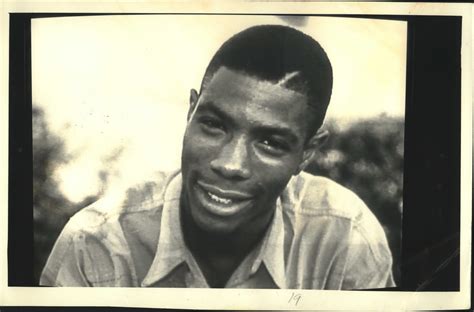
Each victim had dreams, talents, and loved ones left devastated by their loss. Tony Hughes was a deaf, mute aspiring model whose family searched desperately for months. Konerak Sinthasomphone was a 14-year-old boy whose escape attempt was thwarted when police returned him to Dahmer’s apartment despite community members’ protests. Errol Lindsey’s sister Rita delivered a powerful victim impact statement that was later recreated in the Netflix series, her raw anguish demonstrating the lasting trauma inflicted on families.
Organizations like the National Center for Missing & Exploited Children and local Milwaukee memorials work to keep victims’ memories alive beyond their association with their killer. Several victims’ families established scholarships and community programs in their loved ones’ names, transforming tragedy into positive legacy.
When consuming true crime content about Jeffrey Dahmer, we have an ethical obligation to remember these men as complete human beings, not merely evidence in a sensational case. Their stories matter more than the gruesome photos or chilling evidence. Honoring their memories means understanding systemic failures that made them vulnerable and advocating for changes that might prevent similar tragedies.
Resources for learning about victims and supporting their families include the Milwaukee LGBT Community Center’s memorial programs, various victim advocacy organizations, and scholarship funds established in victims’ names. Redirecting fascination with the case toward supporting these causes represents a meaningful way to engage with this history.
Conclusion
The Jeffrey Dahmer Polaroids represent far more than shocking evidence from a serial murder case—they symbolize systemic failures, psychological complexities, and ongoing ethical debates about true crime consumption in our digital age. The 84 photographs discovered on July 22, 1991, in apartment 213 at the Oxford Apartments provided irrefutable evidence that led to Dahmer’s conviction on 15-16 murder charges and his 957-year sentence.
Today, those Polaroid images remain sealed as court evidence, with many experts believing they’ve been destroyed to prevent circulation and further trauma. Despite this, searches for the “real” photos continue surging, driven by the Netflix effect and our culture’s complicated relationship with true crime content.
The importance of ethical true crime consumption cannot be overstated. We can learn from history, understand criminal psychology, and advocate for systemic changes without viewing graphic evidence or disrespecting victims. The 17 men killed by the Milwaukee Cannibal deserve to be remembered for their lives, not their deaths, and their families deserve peace without constant reminders of trauma.
As we move forward in 2026 and beyond, let’s redirect fascination with this case toward meaningful questions: How can we better support marginalized communities? What systemic changes prevent dangerous individuals from slipping through cracks? How do we balance public interest with victims’ dignity? These conversations honor those lost far better than seeking disturbing images ever could.
Frequently Asked Questions
Are the Jeffrey Dahmer Polaroids available online?
No, the authentic Jeffrey Dahmer Polaroid photos are not available online. The 84 photographs discovered by Milwaukee Police Department officers in 1991 were processed as evidence, presented during trial, and subsequently sealed by the court.
Legal experts believe most, if not all, have been destroyed to prevent circulation. Images claiming to be the “real” Polaroids found on websites, social media, or forums are fake, dramatized recreations from movies/TV, or unrelated crime scene photos falsely attributed to the case.
The Netflix series Monster: The Jeffrey Dahmer Story explicitly did not use actual photographs, creating all content through dramatization and recreations.
How many Polaroids did Jeffrey Dahmer take?
Exactly 84 Polaroid photographs were discovered in Jeffrey Dahmer’s bedside drawer at apartment 213 in the Oxford Apartments on July 22, 1991. This specific number has been confirmed through court documents, FBI evidence logs, and official Milwaukee Police Department reports.
The collection documented various stages of his crimes from 1978 to 1991, providing critical evidence that helped identify victims and secure conviction on 15-16 murder charges.
The systematic nature of this documentation—84 separate photographs taken over 13 years—demonstrated the premeditated and calculated aspects of his terrifying killing spree.
What happened to the Polaroids after the trial?
Following Jeffrey Dahmer’s conviction and sentencing to 957 years in prison in February 1992, the Polaroid collection was sealed as court evidence per standard legal procedures for sensitive materials. The photographs were not returned to Dahmer and were not released to the public.
While official records don’t explicitly confirm destruction, legal experts and crime historians believe the photos were likely destroyed to prevent their circulation, protect victims’ families from further trauma, and eliminate any possibility of the images being leaked or stolen.
Wisconsin law enforcement agencies maintain strict protocols for handling evidence from notorious cases, typically involving destruction after appeals processes conclude and no further legal need exists.
Did Netflix show the real Polaroids in the Dahmer series?
No, the Netflix series Monster: The Jeffrey Dahmer Story did not show the actual Polaroid photographs. All content in the show, including the dramatic discovery scene featuring Evan Peters as Dahmer and Shaun J. Brown as Officer Rolf Mueller, consisted entirely of recreations and dramatizations.
Netflix explicitly stated in production materials that no authentic evidence photos were used. The creative team worked with historical consultants and court transcripts to recreate scenes accurately while maintaining ethical boundaries.
This approach sparked debate—some praised the restraint in not showing graphic content, while others, including victims’ families, felt even dramatizations exploited trauma. Any images appearing in the series were carefully constructed props and special effects, not the gruesome photos from the actual crime scene at 924 North 25th Street.
Why is there renewed interest in the Polaroids in 2026?
Interest in the Jeffrey Dahmer Polaroids remains elevated in 2026 primarily due to the lasting impact of Netflix’s 2022 series Monster: The Jeffrey Dahmer Story, which became one of the platform’s most-watched shows. The series introduced Dahmer’s crimes to younger generations and reignited fascination among true crime enthusiasts.
Subsequent documentaries, podcasts, and social media content continued building on this interest through 2023-2026. Additionally, anniversaries of key dates—the July 22, 1991 discovery and Dahmer’s November 28, 1994 death at Columbia Correctional Institution—trigger cyclical spikes in searches.
The broader cultural conversation about ethical true crime consumption, victims’ rights, and representation of marginalized communities in media keeps the case relevant. TikTok and YouTube creators consistently produce Dahmer-related content, ensuring ongoing visibility particularly among younger demographics who constitute significant search traffic.
What was Jeffrey Dahmer’s disturbing trait that led to taking photos?
Jeffrey Dahmer exhibited multiple disturbing traits that motivated his Polaroid collection, but the most prominent was his overwhelming fear of abandonment combined with obsessive need for complete possession and control.
Forensic psychiatrists who evaluated the Milwaukee Cannibal identified severe attachment disorders, necrophilic tendencies, and profound loneliness as core psychological factors. Dahmer himself explained the photos allowed him to “keep” victims with him permanently and relive experiences when feeling isolated.
The systematic documentation revealed through 84 photographs also demonstrated narcissistic traits—he wanted to admire and remember his “work.” From a criminal profiling perspective, the photographic compulsion aligned with trophy-taking behavior common among serial killers, serving both psychological gratification and practical purposes in his planned altar construction.
How did the Polaroids help identify victims?
The Polaroid photographs proved instrumental in identifying several victims whose remains were too decomposed or dismembered for traditional recognition methods. The images showed victims’ faces and distinctive features before death, which investigators cross-referenced with missing person reports from Milwaukee, Wisconsin and surrounding areas.
Families who had filed reports were able to identify loved ones from the photographs, bringing closure to cases that had remained unsolved for months or years. The pictures also helped establish timelines for when specific murders occurred, aiding the FBI and Milwaukee Police Department in reconstructing Dahmer’s entire killing spree from 1978-1991.
Without these photographs, some victims might never have been identified, as Dahmer’s dismemberment and disposal methods destroyed much identifying information. The gruesome photos thus served the crucial purpose of giving names back to those reduced to “evidence” and allowing families to finally lay their loved ones to rest.
What should I do if I’m struggling with violent thoughts?
If you’re experiencing violent thoughts, fantasies about harming others, or find yourself drawn to extremely graphic content in concerning ways, please seek professional help immediately. These resources are available 24/7:
- National Suicide Prevention Lifeline: 988 (call or text)
- Crisis Text Line: Text HOME to 741741
- SAMHSA National Helpline: 1-800-662-4357 (free, confidential mental health referrals)
Violent thoughts don’t make you a bad person, but acting on them causes irreparable harm. Mental health professionals can provide confidential support using evidence-based treatments like cognitive behavioral therapy. Early intervention prevents escalation and has helped countless individuals develop healthy coping mechanisms. Many people experience intrusive thoughts without understanding their significance—therapists can help distinguish between normal intrusive thoughts and patterns requiring intervention.
If you’re concerned about someone else showing warning signs—obsession with violence, collecting disturbing content, expressing desire to harm others, lack of empathy—encourage them to seek help and consider reporting concerns to appropriate authorities if you believe someone is in imminent danger.
Final Note: This article aimed to provide comprehensive, educational information about the Jeffrey Dahmer Polaroids while maintaining ethical boundaries that respect victims, avoid graphic details, and discourage seeking actual evidence. True crime interest, when channeled appropriately, can teach valuable lessons about psychology, systemic failures, and prevention—but only when we remember the human cost behind sensational headlines. Let’s honor the 17 lives lost by learning from this tragedy rather than exploiting it.