
The phrase “rooting for you” has exploded across social media platforms in 2026, transforming from a simple expression of support into a full-blown cultural movement.
What started as casual encouragement has evolved into a viral phenomenon that connects plant culture, mental health awareness, and community building. This trending phrase now appears millions of times daily on TikTok, Instagram, and Pinterest, resonating with millennials, Gen Z, and plant parents alike.
Understanding why “rooting for you” went viral reveals deeper insights into how we communicate support, encouragement, and belief in today’s digital landscape.
Table of Contents
What Does “Rooting For You” Mean?
The expression “rooting for you” fundamentally communicates support, encouragement, and backing for someone pursuing their goals, facing challenges, or navigating difficult situations. When you tell someone “I’m rooting for you,” you’re expressing confidence in their abilities, hope for their success, and belief in their potential to overcome obstacles.
In its most basic interpretation, rooting for someone means cheering them on from the sidelines, offering emotional support without necessarily providing direct assistance. It’s about being in their corner, pulling for their victory, and standing behind their efforts. This phrase carries warmth, positivity, and genuine care that transcends casual well-wishes.
The beauty of this expression lies in its versatility. Whether used in professional settings among colleagues, informal conversations between friends, or casual interactions within online communities, “rooting for you” maintains its core message of solidarity and encouragement. The phrase works equally well when supporting a team member’s career advancement, backing a friend’s creative endeavor, or cheering for a family member’s personal growth journey.
In 2026, the meaning has expanded beyond traditional support contexts. The phrase now carries dual significance—literal rooting as plants establish their root systems, and metaphorical rooting as humans build their foundations for success. This clever wordplay has contributed significantly to the phrase’s viral trajectory, particularly within plant parenthood communities where both meanings resonate simultaneously.
The trending nature of “rooting for you” reflects society’s hunger for authentic connection and meaningful encouragement. In an era of digital communication where interactions can feel superficial, this phrase offers genuine emotional resonance. When someone says “we’re rooting for you,” they’re not just offering empty platitudes—they’re establishing themselves as part of your support system, your community, and your journey toward success.
The Origin and Evolution of the Phrase
The expression “rooting for you” has deep American roots, dating back to the late 19th century when it emerged from baseball culture. The term “root” in this context likely derives from the British dialect word “rout,” meaning to cheer or shout encouragement. Early sports fans would “root” for their favorite teams, creating the foundation for modern usage of this supportive phrase.
Throughout the 20th century, “rooting for someone” remained primarily associated with sports contexts. Fans would root for their teams during games, families would root for athletes competing in events, and communities would rally behind local sports heroes. The phrase carried strong connotations of loyalty, team spirit, and collective hope for victory.
The evolution accelerated in the 2000s as internet culture began reshaping language patterns. Online forums, early social media platforms, and digital communities started using “rooting for you” beyond sports contexts. People began expressing support for friends’ job searches, creative projects, relationship challenges, and personal goals. The phrase democratized, becoming accessible vocabulary for everyday encouragement rather than reserved for competitive scenarios.
By the 2010s, the wellness movement and mental health awareness campaigns further transformed how people used supportive language. “Rooting for you” gained psychological weight, representing not just hope for someone’s success but active belief in their resilience, capability, and worth. Therapists, counselors, and mental health advocates incorporated the phrase into their vocabularies, recognizing its power to validate struggles and affirm personal journeys.
The plant culture boom of the early 2020s created unexpected synergy. As millennials embraced plant parenthood, gardening terminology infiltrated everyday language. Words like “thriving,” “growing,” “blooming,” and “rooting” took on dual meanings. Plant enthusiasts began using “rooting for you” as a pun—both wishing someone success and referencing the literal process of plant propagation where cuttings develop root systems.
The 2024-2025 period saw preliminary viral moments. Plant shops started using “always rooting for you” in their marketing materials. Instagram plant accounts incorporated the phrase into motivational content. TikTok creators began pairing plant propagation videos with personal growth narratives, using “rooting for you” as the connecting thread between botanical and human development.
This convergence of sports heritage, digital communication evolution, mental health awareness, and plant culture created perfect conditions for the 2026 explosion. The phrase now represents a sophisticated blend of tradition and modernity, literal and metaphorical meaning, individual and community support. Its evolution demonstrates how language adapts to cultural shifts, absorbing new contexts while maintaining core emotional resonance.
Why “Rooting For You” Went Viral in 2026
The viral trajectory of “rooting for you” in 2026 results from multiple converging cultural, technological, and social factors that created ideal conditions for widespread adoption and sharing across digital platforms.
Social Media’s Role
Social media platforms, particularly TikTok, Instagram, and Pinterest, served as primary catalysts for the “rooting for you” trend’s explosive growth. TikTok’s algorithm favored content combining personal vulnerability with positive messaging, creating perfect conditions for encouragement-focused videos to reach massive audiences. Creators discovered that videos featuring plant propagation paired with personal growth narratives—often captioned with variations of “rooting for you”—generated exceptional engagement rates.
Instagram’s visual nature amplified the trend through aesthetic plant photography overlaid with supportive text. Plant accounts, wellness influencers, and motivational content creators embraced the phrase, incorporating it into posts about overcoming challenges, pursuing goals, and building community. The hashtag #RootingForYou accumulated over 2.3 billion views by early 2026, with new content added hourly across multiple platforms.
Pinterest emerged as the trend’s visual archive, where users created mood boards, graphics, and inspirational collections centered on the phrase. The platform’s user base, heavily weighted toward millennials interested in wellness, home decor, and personal development, provided ideal audience demographics. “Rooting for you” pins linked plant care tutorials with mental health resources, career advice with gardening tips, creating comprehensive ecosystems of support and encouragement.
The cross-platform nature accelerated viral spread. A TikTok video showing propagation techniques would inspire Instagram carousels about personal growth, which would generate Pinterest boards about building resilience, which would spark new TikTok interpretations. This feedback loop created exponential reach, exposing the phrase to diverse audiences across demographic boundaries.
Social media’s emphasis on community building rather than individual broadcasting further fueled the trend. Users weren’t just consuming “rooting for you” content—they were actively participating, creating their own versions, tagging friends who needed encouragement, and building networks of mutual support. This participatory aspect transformed the phrase from trending topic into cultural movement.
Plant Culture Connection
The intersection of “rooting for you” with plant parenthood culture proved absolutely critical to the trend’s viral success. Plant culture exploded during the pandemic years, with millions discovering joy in caring for houseplants. By 2026, this hobby evolved into a lifestyle movement with sophisticated communities, specialized knowledge bases, and deep emotional investment.
Plant propagation—the process of creating new plants from cuttings—became particularly popular. Videos showing cuttings developing root systems garnered millions of views, satisfying audiences with their slow transformation and visible progress. The literal act of “rooting” provided perfect visual metaphor for personal growth, making the connection between botanical and human development irresistible to content creators.
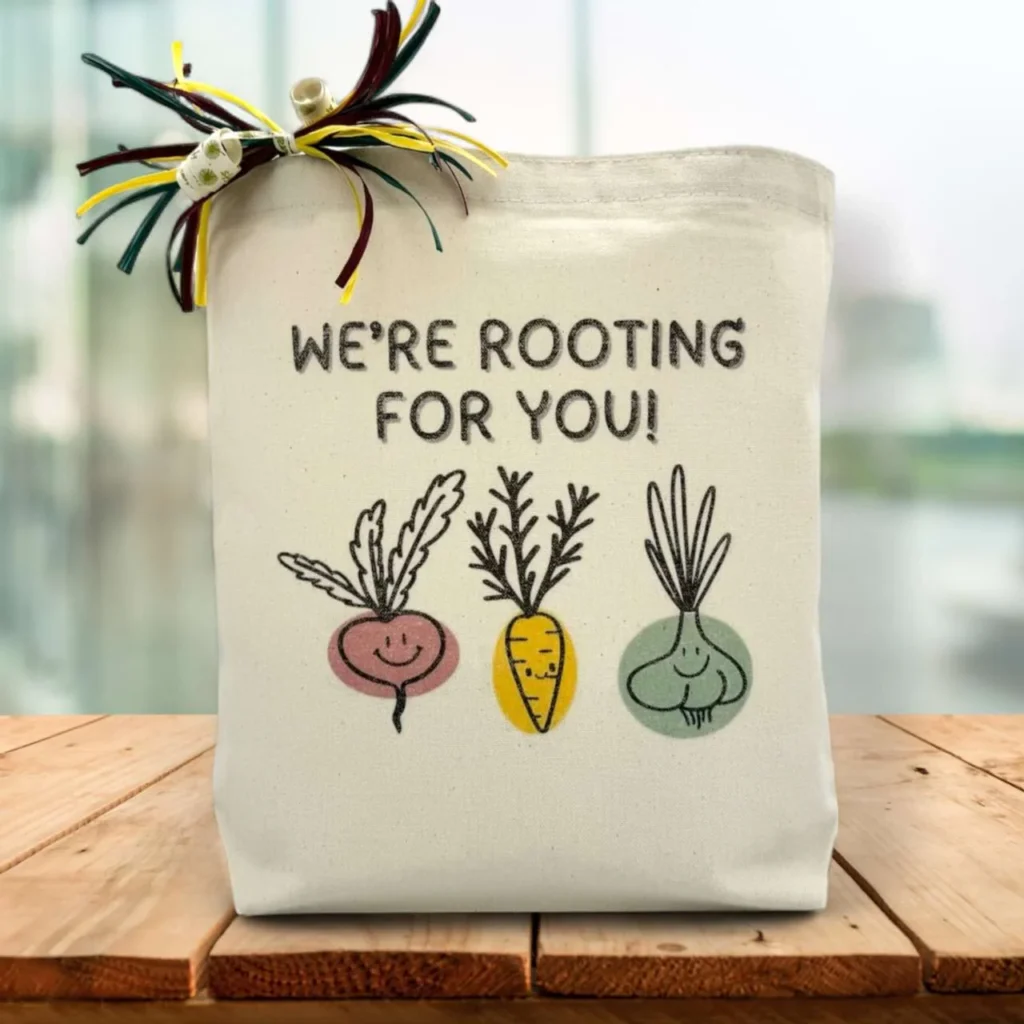
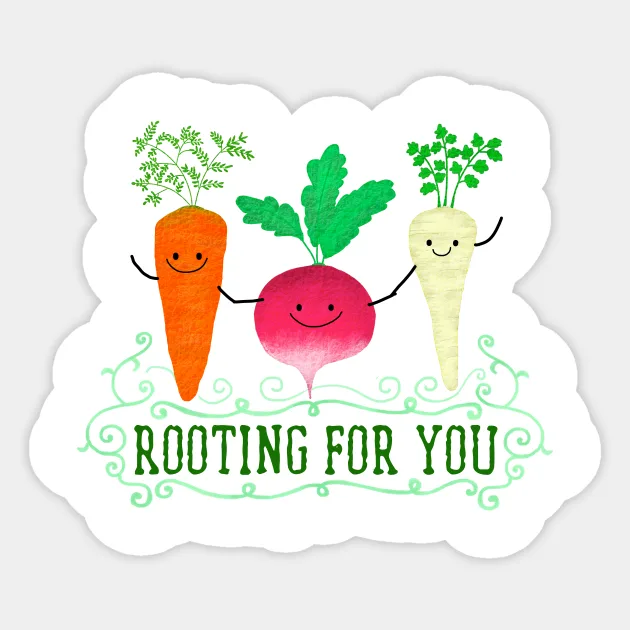
Nurseries and plant shops recognized marketing opportunities, incorporating “rooting for you” into branding, merchandise, and customer communication. Products like t-shirts, tote bags, stickers, and greeting cards featuring the phrase alongside plant imagery became bestsellers. Independent plant businesses built entire marketing campaigns around the concept, positioning themselves as not just retailers but supportive communities cheering for customers’ plant parenting success.
The plant culture community’s emphasis on learning through failure resonated with the phrase’s encouraging message. Experienced plant parents would tell beginners “we’re rooting for you” when they struggled with difficult species, lost plants to pests, or faced propagation setbacks. This compassionate approach to failure transformed potentially discouraging experiences into opportunities for community support and collective growth.
Plant terminology naturally integrated into personal development language. People spoke about “establishing roots” in new cities, “propagating” ideas at work, or “thriving” despite challenges. This linguistic crossover made “rooting for you” feel simultaneously literal and metaphorical, concrete and abstract, botanical and psychological. The phrase worked on multiple levels, appealing to plant enthusiasts and motivation seekers alike.
Mental Health and Wellness Trends
The mental health and wellness movements of the mid-2020s created cultural conditions where expressions of support, encouragement, and belief became not just welcomed but essential. By 2026, discussing mental health challenges openly had become normalized, particularly among younger generations who prioritized emotional wellbeing alongside physical health and career success.
“Rooting for you” emerged as perfectly calibrated language for this cultural moment. Unlike advice-giving or problem-solving, the phrase offers pure support without judgment, pressure, or expectations. It acknowledges someone’s struggle while expressing confidence in their ability to navigate difficulties. This balance proved therapeutic, providing validation without infantilization, hope without toxic positivity.
Therapists and mental health professionals began incorporating the phrase into practice. Counselors would tell clients “I’m rooting for you” at session conclusions, creating supportive continuity between appointments. Mental health advocates used the phrase in awareness campaigns, destigmatizing help-seeking by framing it as journey worthy of encouragement rather than shameful necessity requiring secrecy.
The wellness industry—encompassing everything from meditation apps to fitness communities to nutrition coaching—embraced “rooting for you” as brand language. These businesses recognized that customers needed emotional support as much as practical guidance. Fitness coaches told clients “always rooting for you” during challenging programs. Meditation apps sent notifications saying “we’re rooting for you” to encourage consistent practice. Nutrition communities created supportive environments where members could say “rooting for your success” without judgment about dietary choices or challenges.
Corporate wellness programs incorporated the phrase into employee support initiatives. Companies launched “Rooting For You” employee recognition programs, mental health resource campaigns, and peer support networks. This professional adoption legitimized emotional vulnerability in workplace contexts, allowing colleagues to express genuine care and backing for each other’s success and wellbeing.
The trend reflected broader cultural shift toward compassionate communication. “Rooting for you” modeled how to offer meaningful support without overstepping boundaries, how to express care without making situations about oneself, and how to believe in others’ capabilities while acknowledging their struggles. This emotional intelligence resonated with audiences tired of performative allyship and empty encouragement.
How Brands Are Using “Rooting For You”
Businesses across industries recognized the commercial and cultural potential of “rooting for you,” incorporating the phrase into marketing strategies, brand messaging, and customer engagement approaches throughout 2026.
Plant nurseries and botanical retailers led brand adoption, naturally aligned with both literal and metaphorical meanings. Major chains like The Sill launched comprehensive “Rooting For You” campaigns featuring beginner-friendly plant kits, propagation supplies, and educational content. Independent plant shops created loyalty programs named “Root Rewards” and customer appreciation events titled “We’re Rooting For You” nights featuring workshops, community gatherings, and special discounts.
Merchandise sales exploded around the phrase. Etsy sellers reported unprecedented demand for “rooting for you” products—mugs, prints, embroidered hoops, enamel pins, and botanical-themed greeting cards. These items transcended plant enthusiast markets, appealing to anyone seeking encouraging gifts for friends facing challenges, celebrating achievements, or needing motivational boost.
Wellness brands embraced the phrase’s alignment with self-care messaging. Skincare companies positioned products as part of self-support routines, with taglines like “Rooting for your glow.” Meditation apps sent push notifications saying “We’re rooting for your practice today.” Fitness communities created hashtag campaigns encouraging members to post workout victories with #RootingForYou tags, building supportive networks that celebrated progress over perfection.
Corporate brands ventured into the trend more cautiously, recognizing authenticity risks. Successful adoptions maintained genuine commitment to employee or customer wellbeing rather than exploiting trending phrase for shallow engagement. LinkedIn featured “Rooting For You” career development series. Microsoft launched internal employee recognition program encouraging managers to tell team members “I’m rooting for you” during development conversations. These applications succeeded because they integrated phrase into meaningful support structures rather than using it as marketing gimmick.
Food and beverage companies found creative applications. Coffee brands created “Rooting For You” blends with portion of proceeds supporting mental health organizations. Restaurants launched “We’re Rooting For You” community programs supporting local food security initiatives. These implementations connected phrase to concrete positive action, maintaining integrity while building brand affinity.
Educational institutions adopted the phrase for student support initiatives. Universities created “Rooting For You” mental health awareness weeks. High schools launched peer mentorship programs using the tagline. Educational apps sent encouraging messages to students preparing for exams: “We’re rooting for your success.” These applications acknowledged academic pressure while providing emotional support for student wellbeing.
Financial services companies, typically conservative with trendy language, experimented with “rooting for you” in customer communications around major financial goals. Banks sent mortgage approval letters concluding with “We’re rooting for you in your new home.” Investment apps encouraged new investors with “Rooting for your financial growth.” These applications humanized traditionally transactional industries, building emotional connection with customers during significant life milestones.
The most successful brand implementations shared common characteristics: authenticity, consistency with existing brand values, connection to concrete support or action, and respect for the phrase’s emotional resonance. Brands that treated “rooting for you” as temporary marketing trend without deeper commitment to supporting customers, employees, or communities faced backlash for perceived exploitation of genuine cultural movement.
The Psychology Behind the Phrase
Understanding why “rooting for you” resonates so powerfully requires examining the psychological mechanisms underlying human need for support, encouragement, and belonging. The phrase’s viral success reflects deeper emotional and cognitive patterns that make certain messages particularly impactful during specific cultural moments.
Social connection ranks among fundamental human needs, comparable to requirements for food, shelter, and safety. Psychological research consistently demonstrates that perceived social support—believing others care about one’s wellbeing and success—significantly impacts mental health, resilience, stress management, and even physical health outcomes. “Rooting for you” efficiently communicates social support, signaling to recipients that they’re not alone in their struggles or pursuits.
The phrase activates what psychologists call “self-efficacy”—belief in one’s capability to achieve goals or handle challenges. When someone says “I’m rooting for you,” they implicitly communicate confidence in the recipient’s abilities. This external validation can strengthen internal belief, particularly during moments of doubt or difficulty. The encouragement doesn’t promise guaranteed success but rather affirms the person’s capacity for success, which psychologically empowers continued effort despite obstacles.
“Rooting for you” also addresses psychological phenomenon of “mattering”—the feeling that one is significant to others, that one’s existence and efforts are noticed and valued. In increasingly fragmented, digitally mediated social landscapes, many people struggle with feeling invisible or insignificant. The phrase directly counters these feelings by explicitly stating “you matter enough to me that I’m investing emotional energy in hoping for your success.”
The non-directive nature of the encouragement proves psychologically optimal. Unlike advice-giving, problem-solving, or solution-suggesting, “rooting for you” respects recipient autonomy while offering support. It doesn’t presume to know what’s best or how someone should handle their situation. This respect for autonomy satisfies fundamental psychological need for self-determination while still providing relational connection.
From cognitive perspective, the phrase creates what researchers call “approach motivation”—psychological orientation toward positive outcomes and goal pursuit rather than avoidance of negative outcomes. When people feel supported and believed in, they’re more likely to engage actively with challenges rather than withdrawing or avoiding. “We’re rooting for you” activates approach systems, encouraging continued effort and engagement.
The phrase also leverages social identity theory—understanding that people derive part of self-concept from group memberships and social categories. When someone says “we’re rooting for you,” they’re not just offering individual support but indicating collective backing. This transforms the recipient from isolated individual into member of supportive community, satisfying deep human need for belonging while providing psychological resources associated with group membership.
Attachment theory provides additional explanatory framework. Secure attachment—developed through consistent, responsive caregiving—creates internal working models of relationships as sources of support and comfort. “Rooting for you” mimics secure attachment patterns by offering unconditional positive regard without contingencies or expectations. This can be particularly healing for individuals whose early attachment experiences were insecure, providing corrective emotional experience.
The timing of the phrase’s viral emergence in 2026 reflects collective psychological state following years of global uncertainty, social isolation, economic instability, and personal disruption. In contexts characterized by pervasive stress and diminished predictability, humans particularly need expressions of support, confidence, and hope. “Rooting for you” met this psychological moment perfectly, offering exactly the type of encouragement people needed to hear and express.
Neurologically, receiving genuine encouragement and support activates reward centers in the brain, releasing dopamine and creating positive reinforcement for continued social connection. Expressing support to others similarly activates these systems, creating mutually beneficial psychological experience. The phrase’s popularity partly reflects its capacity to make both givers and receivers feel good—it’s psychologically rewarding to both root for others and know you’re being rooted for.
“Rooting For You” in Popular Culture
The phrase’s infiltration into mainstream popular culture throughout 2026 demonstrated its transition from trending topic to lasting cultural fixture, appearing across entertainment media, celebrity communications, and creative expressions.
Television shows integrated “rooting for you” into dialogue with increasing frequency. Writers recognized the phrase captured contemporary communication styles while conveying genuine emotion efficiently. Reality competition shows adopted it as recurring element—contestants telling each other “I’m rooting for you” despite competitive contexts, judges expressing “we’re rooting for you” to talented performers facing elimination, and reunion episodes featuring retrospectives about who contestants were “always rooting for” throughout seasons.
Music artists incorporated the phrase into lyrics, titles, and promotional materials. Indie folk musicians released songs titled “Rooting For You” exploring themes of long-distance support, unconditional friendship, and steadfast belief in loved ones’ potential. Pop artists included the phrase in uplifting anthems about resilience and community. Hip-hop artists used it in verses about overcoming adversity with support from tight-knit circles. The phrase’s rhythmic quality and emotional weight made it naturally suitable for musical expression.
Celebrity social media activity amplified the trend significantly. High-profile figures began using “rooting for you” in responses to fans, colleagues, and causes. When celebrities experienced public challenges—health issues, career setbacks, personal struggles—fans mobilized “Rooting For You” support campaigns, trending hashtags globally and creating visual content expressing solidarity. This celebrity-fan dynamic demonstrated the phrase’s power to bridge status differences and create authentic connection despite fame barriers.
Authors published books titled variations of “Rooting For You”—self-help guides about building support networks, memoirs about overcoming challenges with backing from communities, and children’s books teaching kids about encouragement and friendship. Publishing industry recognized market appetite for content emphasizing support, community, and collective success over individual achievement and competition.
Film and streaming content featured the phrase in trailers, promotional campaigns, and critical moments of emotional narrative resolution. Documentaries about overcoming adversity used “rooting for you” as thematic through-line. Coming-of-age films included pivotal scenes where mentors told protagonists “I’ve always been rooting for you.” Sports movies naturally incorporated the phrase, returning it to original athletic contexts while imbuing it with expanded emotional significance.
Podcast culture embraced “rooting for you” as sign-off phrase. Hosts concluded episodes telling listeners “we’re rooting for you” as encouragement for implementing discussed strategies, facing mentioned challenges, or pursuing referenced goals. This created intimate connection between content creators and audiences, transforming passive consumption into relational experience.
Stand-up comedians incorporated the phrase into routines, often playing with dual plant/support meanings for comedic effect. Comedy specials featured bits about over-using “rooting for you” in various contexts, gently mocking the trend while simultaneously participating in it. This comedic attention indicated the phrase had achieved sufficient cultural saturation to become reference point for observational humor.
Art galleries featured exhibitions exploring themes of support and encouragement, with “Rooting For You” serving as exhibition titles or featured works. Visual artists created pieces combining botanical imagery with supportive text, exploring connections between natural growth and human development. Street art and murals in urban centers featured large-scale “Rooting For You” installations, transforming public spaces into expressions of community support.
The phrase’s popular culture ubiquity by mid-2026 demonstrated successful transition from internet trend to cultural staple. Unlike many viral phrases that burn bright and fade quickly, “rooting for you” showed staying power because it expressed genuine emotional need rather than merely offering novelty or humor.
How to Use “Rooting For You” Effectively
Maximizing the positive impact of “rooting for you” requires understanding appropriate contexts, authentic delivery, and meaningful implementation. The phrase’s power lies not in mindless repetition but in thoughtful, genuine expression of support.
Context Matters Significantly
Consider relationship dynamics before using the phrase. “Rooting for you” works beautifully in contexts characterized by trust, genuine care, and appropriate boundaries. Friends supporting friends through career transitions, family members backing loved ones pursuing dreams, colleagues encouraging each other through professional challenges, and communities rallying behind members facing difficulties all represent ideal contexts.
Less appropriate contexts include situations requiring concrete action rather than emotional support, relationships lacking sufficient trust for vulnerability, or scenarios where the phrase might come across as patronizing. If someone needs practical help, resources, or direct intervention, “rooting for you” alone proves insufficient. Similarly, using the phrase with someone you barely know or in professional contexts lacking personal rapport may feel hollow or inappropriate.
Authenticity Trumps Frequency
Quality significantly outweighs quantity when expressing support. One genuinely meant “I’m rooting for you” carries more impact than dozens of casual, reflexive uses. Before using the phrase, ensure you genuinely feel supportive, hopeful, and invested in the person’s success. Inauthentic encouragement often does more harm than good, creating cynicism about supportive language and damaging trust in relationships.
Pair the phrase with specific acknowledgment of what you’re rooting for. Rather than generic “rooting for you,” try “I’m rooting for you as you launch your business” or “we’re rooting for you through this difficult recovery.” Specificity demonstrates attentiveness and genuine engagement rather than formulaic response.
Timing Enhances Impact
Strategic timing amplifies the phrase’s effectiveness. Particularly powerful moments include:
- Before someone attempts something challenging or intimidating
- After someone experiences setback or disappointment
- During long, difficult processes when fatigue or discouragement threaten
- When someone doubts their capabilities or worthiness
- At milestones where acknowledgment of ongoing support means something
Avoid using the phrase immediately after someone experiences significant success or achievement—in those moments, direct celebration and congratulation prove more appropriate than forward-looking support. “Rooting for you” implies ongoing challenge or journey, making it better suited to process than completed outcome.
Match Communication Style to Platform
Different contexts call for different expressions. In professional emails, “I’m rooting for your success with this project” maintains professionalism while expressing support. In text messages between close friends, simply “rooting for you!” with plant emoji captures warmth and encouragement efficiently. On social media, longer posts explaining why you’re rooting for someone or something can create meaningful public affirmation.
For plant-related contexts specifically, playing with the dual meaning enhances impact. Plant shop employees can genuinely tell customers “we’re rooting for you” when selling propagation supplies. Friends giving plants as gifts can include cards saying “always rooting for you” with both meanings intended. This wordplay adds layer of thoughtfulness and creativity to the support.
Combine With Concrete Support When Possible
While emotional encouragement matters immensely, pairing “rooting for you” with tangible support maximizes positive impact. If you’re rooting for someone’s recovery, offer to bring meals or run errands. If you’re backing someone’s creative endeavor, share their work or provide constructive feedback. If you’re supporting someone’s career advancement, make helpful introductions or write recommendations.
The phrase becomes most powerful when it represents genuine investment rather than empty words. Show up, follow through, maintain interest over time, and translate your rooting into action when opportunities arise. This transforms “rooting for you” from nice sentiment into meaningful relationship commitment.
Receive Graciously
Knowing how to respond when others say “rooting for you” matters too. Simple acknowledgments like “thank you, that means a lot” or “I really appreciate your support” work well. If the support particularly moves you, expressing specifically why it matters—”knowing you believe in me helps me believe in myself” or “your support makes this less scary”—deepens connection and encourages continued mutual support.
Avoid deflecting or minimizing when others express support. Responding to “I’m rooting for you” with “oh, it’s no big deal” or “I probably won’t succeed anyway” dismisses the other person’s care and closes opportunities for connection. Accept support graciously, allowing others the gift of being in your corner.
Create Rooting-For-You Culture
Beyond individual uses, consider how to build environments where mutual support becomes norm rather than exception. Families can establish traditions of expressing confidence in each other’s pursuits. Workplaces can create cultures where colleagues genuinely back each other’s advancement rather than competing destructively. Friend groups can normalize checking in and expressing ongoing belief in each other’s journeys.
Building this culture requires modeling, consistency, and reciprocity. Regularly express support for others, celebrate their progress, acknowledge their struggles, and demonstrate sustained interest over time. When “rooting for you” becomes consistent pattern rather than occasional gesture, it transforms relationships and creates communities characterized by genuine care and collective success.
Conclusion
The viral explosion of “rooting for you” in 2026 represents more than linguistic trend—it reflects cultural moment characterized by hunger for authentic connection, genuine support, and collective encouragement. This phrase succeeded because it perfectly captured what people needed to express and needed to hear: unconditional belief, steadfast backing, and community solidarity amidst uncertainty and challenge.
The convergence of plant culture, mental health awareness, social media dynamics, and psychological needs for belonging created ideal conditions for “rooting for you” to flourish. As we move forward, the phrase’s staying power will depend on maintaining authenticity, resisting commercialization that strips meaning, and continuing to use it as expression of genuine care rather than empty trend participation.
When used thoughtfully and sincerely, “rooting for you” offers beautiful reminder that we’re not facing our challenges, pursuing our dreams, or navigating our journeys alone—we have communities, friends, families, and even strangers pulling for our success, cheering for our wins, and believing in our capabilities. That’s what makes this phrase truly worth celebrating and continuing to share.