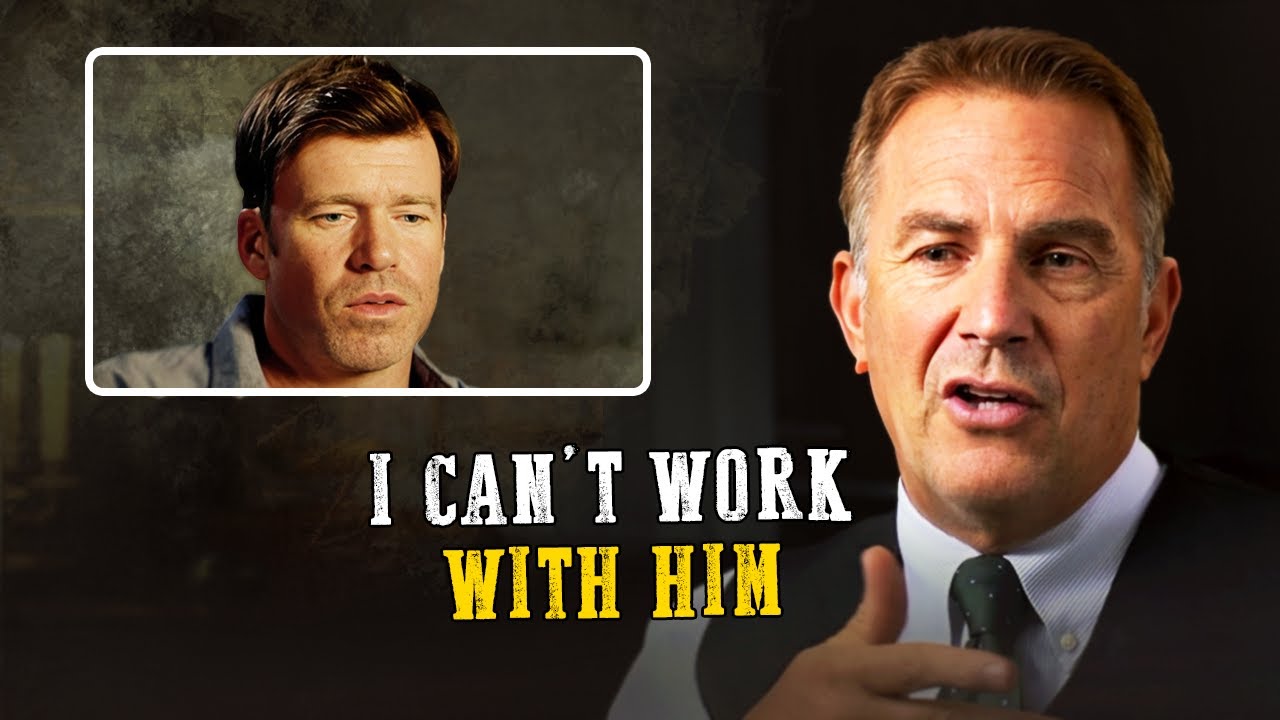
You know that feeling when everything suddenly changes? When something you thought would last forever just… doesn’t? That’s what happened with Kevin Costner and Yellowstone & Why Did Kevin Costner Leave Yellowstone?.
After five incredible seasons leading the Dutton family empire, one of television’s biggest stars just vanished from the show that made him relevant all over again. And honestly? The real story is way more complicated than just a simple “creative difference.”
Here’s the thing that nobody really explains clearly: it wasn’t one thing that made Kevin Costner leave Yellowstone. It was a perfect storm of scheduling problems, creative control demands, money disputes, and a whole lot of on-set drama that nobody saw coming. But before we dive deep into all that, let me set the stage for you with what actually went down behind the scenes of one of TV’s most dramatic exits.
Table of Contents
Kevin Costner Biography: The Facts You Need to Know
| Category | Details |
|---|---|
| Full Name | Kevin Michael Costner |
| Date of Birth | January 18, 1955 (Age 69 in 2024) |
| Place of Birth | Lynwood, California, USA |
| Nationality | American |
| Height | 6’1″ (185 cm) |
| Education | California State University, Fullerton |
| Early Career Start | 1980s (small roles and guest appearances) |
| Breakthrough Role | The Untouchables (1987) with Sean Connery |
| Academy Awards | Won Best Director and Best Picture for Dances with Wolves (1990); Won Best Actor nomination for Field of Dreams (1989) |
| Golden Globe Awards | Multiple nominations and wins throughout career |
| BAFTA Awards | Nominations for directing and acting |
| Emmy Awards | None previously, but Yellowstone brought him back to television |
| Major Films | Dances with Wolves (1990), The Bodyguard (1992), Field of Dreams (1989), Robin Hood: Prince of Thieves (1991), JFK (1991), Waterworld (1995), The Postman (1997), Wyatt Earp (1994), Tin Cup (1996), Open Range (2003), True Grit (2010) |
| Television Career Before Yellowstone | Sporadic guest appearances and limited TV work; mostly focused on film |
| Yellowstone Role | John Dutton (2018-2024, 5 seasons) |
| Marriage(s) | Married to Christine Baumgartner (married 2010); Previous marriages to Cindy Silva (1978-1994) and Crista Miller (2004-2006) |
| Children | Seven children across multiple relationships |
| Net Worth (Estimated) | $250 million (as of 2024) |
| Production Company | Yellowstone Dutton Ranch Productions, various other ventures |
| Director Credits | Dances with Wolves (1990), The Postman (1997), Open Range (2003), Black or White (2014) |
| Producer Credits | Hundreds of projects as executive producer and producer |
| Awards Summary | 2 Academy Awards, 3 Golden Globes, 1 BAFTA, numerous other accolades |
| Known For (Besides Acting) | Directing films, producing content, ranching in real life, golf enthusiast, environmental conservation work |
| Why He Matters | One of Hollywood’s most bankable and respected actors; proven director; brings massive star power to any project |
| Yellowstone Entry | First major television role in decades; revitalized his career with younger audiences and streaming viewers |
| Horizon Project | His most ambitious passion project to date; directed, produced, co-wrote, and starred in the film series |
| Current Status | After Yellowstone exit, focusing on Horizon film franchise and other production ventures |
Who Is Kevin Costner? Understanding the Man Behind John Dutton
Before we dive deeper into why Kevin Costner left Yellowstone, you kind of need to understand who he actually is. Because this isn’t just some random actor who had a disagreement with a show. This is a guy with a massive career. A guy with serious credibility. A guy who’s won Oscars. A guy who’s directed films. A guy who doesn’t usually take no for an answer.
Kevin Costner isn’t some newcomer trying to make it in Hollywood. He’s been doing this for decades. He’s had massive box office hits. He’s had critical acclaim. He’s had periods where he was basically untouchable in the industry. So when he signs up for a TV show in 2018, it’s kind of a big deal because he doesn’t usually need television. Television usually needs him.
Costner came to Yellowstone after a career that included Dances with Wolves (which he directed and starred in, and which won Best Picture), The Bodyguard with Whitney Houston, Field of Dreams, Robin Hood: Prince of Thieves, and so many other iconic films. He’s won Academy Awards. He’s been nominated for Golden Globes. He’s worked with the biggest directors in the industry.
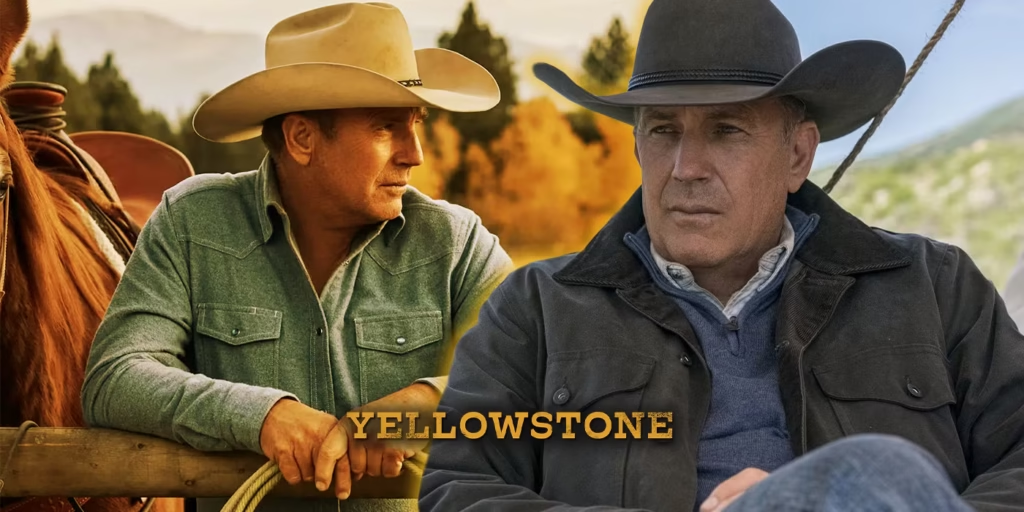
So when Yellowstone came along and offered him the role of John Dutton, it was almost like a comeback. A resurgence. Because honestly, Costner had been kind of quiet in recent years. He wasn’t getting the same level of big film roles. He wasn’t the household name he used to be.
But then Yellowstone happened. And suddenly Kevin Costner was everywhere again. Suddenly he was on everybody’s TV screen every Sunday night. Suddenly he was relevant in a completely different way. The show gave him something he maybe didn’t realize he needed: a consistent, powerful role that played to his strengths as an actor.
That’s why the whole Horizon thing was so confusing to people. Because Yellowstone was working for him. It was bringing him back. And he walked away from it. For a passion project that cost $100 million and made $38.7 million. That decision tells you something about who Kevin Costner is as a person. He’s someone who follows his gut. Someone who takes risks. Someone who doesn’t always play it safe.
But it also tells you he’s stubborn. And maybe a little disconnected from how much power he actually has in negotiations. Because the Costner of the 1990s? The Costner who made Waterworld (which was also a box office disaster, by the way)? That Costner had enough power to override studios. But the Costner of 2024? The older Costner trying to prove himself on television? That Costner didn’t have quite as much leverage as he thought.
Kevin Costner’s Career Timeline: From Breakthrough to Yellowstone
Understanding Kevin Costner’s career trajectory helps explain why Yellowstone meant so much to him and why he was willing to sacrifice it for Horizon.
The 1980s: Building Credibility
Costner spent the 1980s building his reputation. Small roles turned into bigger ones. Guest appearances on shows led to more substantial work. But he was determined. He was working constantly. He was proving he belonged in Hollywood. By 1987, when The Untouchables came out, people started to really notice him.
The 1990s: Peak Power and Box Office Gold
The 1990s were absolutely golden for Kevin Costner. Dances with Wolves won Best Picture. Field of Dreams became a cultural phenomenon. Robin Hood: Prince of Thieves was a massive blockbuster. The Bodyguard was everywhere. He was winning awards. He was making hundreds of millions of dollars at the box office. He was untouchable.
But this decade also includes Waterworld, which cost $175 million and made about $264 million worldwide. That might sound okay, but for the budget and expectations? It was considered a massive financial disappointment. Still, Costner had enough goodwill that it didn’t completely derail his career.
The 2000s: Shifting Focus and Family
The 2000s saw Costner still making films, but his output slowed a bit. He was doing other things. He directed Open Range in 2003, which was well-received. He focused on family. He went through some relationship changes. He was still working, but he wasn’t the unstoppable force he’d been in the 1990s.
The 2010s: The Quiet Years
The 2010s were relatively quiet for Costner on the film front. He did True Grit in 2010. He did Black or White in 2014. But he wasn’t getting the same level of attention. He wasn’t being offered the biggest roles. The industry had kind of moved on. Newer actors were getting the parts that older Costner would have gotten.
This is important context. Because Kevin Costner came to Yellowstone in 2018 after almost a decade of being kind of sidelined. And the show gave him relevance again.
2018-2024: The Yellowstone Renaissance
When Yellowstone launched, Kevin Costner was 63 years old. Most actors his age are winding down their careers. But Costner got a second wind. The show became massive. He became the face of the series. He was getting offers again. He was relevant again.
That’s why the whole Yellowstone situation is so complicated. Because the show saved his career. It gave him something he desperately needed. But then he walked away to pursue Horizon. And Horizon failed. So he sacrificed his second wind for a project that didn’t work out.
2024 and Beyond: Life After Yellowstone
Now, post-Yellowstone, Costner is in a weird position. He’s got Horizon, which failed financially. He’s got no major television commitment. He’s trying to salvage his film franchise. And he’s older now. Time isn’t necessarily on his side when it comes to getting new major roles.
This timeline shows you why his exit from Yellowstone was so significant. Not just for the show. But for his own career.
The Timeline: How We Actually Got Here
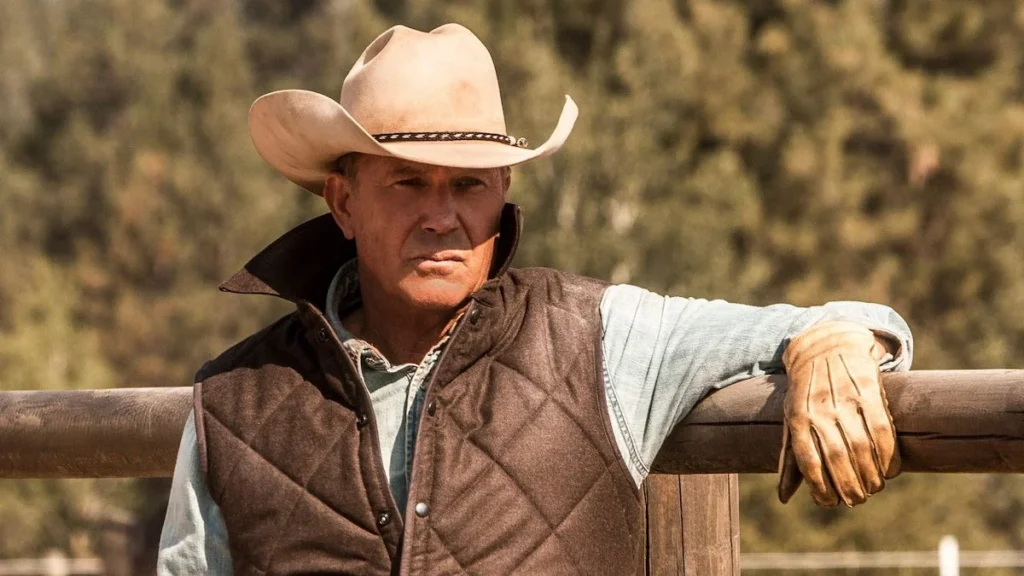
Let’s be real for a second. When Kevin Costner first signed on to Yellowstone, I don’t think anybody expected it’d become this massive monster of a show. The story? It started small. Really small.
The Original Deal: From One Season to Seven?
Back in the beginning, this whole thing was supposed to be a limited series. Just one season. That was the original contract Kevin Costner signed. But then something magical happened. The show blew up. Audiences went absolutely crazy for John Dutton and the Dutton ranch drama. Paramount Network saw dollar signs. And Kevin? Well, he realized he actually loved the character.
So they renegotiated. That first limited one-season deal turned into a three-season commitment. Then, during that famous GQ profile interview in 2024, Costner revealed something that shocked everyone. He’d actually renegotiated the deal again to extend it even further. We’re talking potentially seven seasons. Seven! That means Kevin Costner was willing to stick around way longer than anyone thought. He wasn’t trying to escape. He was committed.
But here’s where it gets messy. Plans change. Schedules shift. And suddenly, that willingness to do seven seasons became impossible.
The 14-Month Hiatus: Where Everything Fell Apart
This is the part that nobody really explains clearly enough, and it’s honestly the most important piece of this whole puzzle. Let me walk you through it.
Production on Yellowstone stopped in May 2023. Not because of creative decisions. Not because the writers were done with the story. It stopped because of the Hollywood writers strike and the SAG-AFTRA actors strike. These weren’t small interruptions either. We’re talking about production grinding to a complete halt across the entire entertainment industry.
Fourteen months. That’s not a few weeks. That’s not even a few months. It’s over a year that Kevin Costner couldn’t film anything on Yellowstone. For someone who had other commitments already locked in? That’s a lifetime.
When production finally started again in April 2024, something had fundamentally changed. The delay wasn’t just an inconvenience. It broke the momentum. It messed with everyone’s schedules. And for Kevin Costner? It created an impossible situation because he had Horizon: An American Saga waiting in the wings.
He said it himself: “There was a moment where that show for me stopped for 14 months.” That’s not complaining. That’s just reality. And that reality changed everything about his ability to continue.
The Three Real Reasons Kevin Costner Left (And Why They All Matter)
Okay, so let’s cut through all the gossip and rumors and get to what actually happened. Because there’s a lot of noise out there. Lots of people throwing around theories and speculation. But the real reasons? There are three of them. And they’re all connected.
Reason #1: The Scheduling Conflict (And Why It’s Actually the Biggest Deal)
Everyone focuses on the drama. Everyone wants to talk about the on-set fights and the money disputes. But honestly? The real problem was scheduling. And I’m not talking about being difficult. I’m talking about basic logistics that made it impossible.
Kevin Costner had already committed to Horizon: An American Saga. This wasn’t some side project he picked up last minute. This was a massive, four-part Western film series that he wrote, directed, produced, and starred in. We’re talking about a $100 million budget film. This wasn’t a hobby. This was his passion project. The thing he’d been dreaming about for years.
The problem? Yellowstone films in Montana during winter. Winter in Montana is brutal. You can’t just show up whenever you feel like it. There’s a specific filming window. And when Horizon ran into its own production schedule, it created a conflict that nobody could solve.
Costner offered to make it work. According to his lawyer Marty Singer, Kevin was completely willing to be flexible. He offered to work an entire week to film his scenes. He wasn’t trying to half-ass it. But by that point, the 14-month hiatus had already pushed everything back so far that making his Montana commitment and his film commitment at the same time became mathematically impossible.
Think about it this way: if you’re supposed to be in two places at once, and both are non-negotiable, what do you do? You can’t split yourself in half. That’s exactly where Kevin Costner found himself.
Reason #2: Creative Control Demands (And Why It Created Tension)
Here’s where things get a little more complicated. Because it’s not just about scheduling. Kevin Costner also wanted creative control. Real creative control.
He wanted script approval rights. Not just a suggestion here or there. He wanted actual approval over what his character would do. He wanted to be able to shape his own storyline. And when you’re starring in and executive producing on a show, those are… not crazy requests? But Taylor Sheridan? The show’s creator? He wasn’t exactly enthusiastic about handing over that much control.
There’s also the financial side. Costner wanted a $10 million bonus. That’s not pocket change. That’s a statement. But Sheridan apparently saw it as overreach. As Costner trying to squeeze more money out of a show that was already dealing with production chaos.
But here’s the thing that really shows the tension: the on-set conflict with Wes Bentley. This wasn’t just some rumor floating around. This actually happened. According to reports from The Hollywood Reporter, there was a scene being filmed. It was emotional. It was physically demanding. And Costner wanted Bentley to perform it differently than how Sheridan had written it.
Bentley didn’t want to do that. He told Costner something that probably stung: “You’re on Sheridan’s show, not Costner’s.” That escalated things fast. Witnesses said they were in each other’s faces. Pushing. Shoving. Getting heated. Until someone had to physically separate them. And Kelly Reilly, who was there filming the same scene? She got so upset watching it that she was brought to tears.
That’s not just creative differences. That’s a breakdown in the working relationship. That’s an executive producer trying to take over a show that isn’t his. And that’s other cast members pushing back.
Reason #3: The Money & Terms (And Why the Negotiation Broke Down)
Let’s talk about the financial part because money matters. It always does.
Over an eight-month period, there were two separate contract renegotiations. Let me be clear: these weren’t initiated by Kevin Costner. These were initiated by Paramount and Taylor Sheridan. They came to him asking to renegotiate. Twice.
The original numbers being discussed? Around $12 million. But then it escalated. Costner wanted more. He wanted better terms. He wanted script approval. He wanted financial compensation for the inconvenience of everything falling apart.
But here’s where it all broke down: once lawyers got involved, communication stopped. That’s what Taylor Sheridan actually said about it. He told The Hollywood Reporter: “Once lawyers get involved, then people don’t get to talk to each other and start saying things that aren’t true and attempt to shift blame based on how the press or public seem to be reacting.”
That’s… honest, actually. Once the lawyers showed up, it wasn’t a conversation between two professionals anymore. It became adversarial. It became about what each side could force the other side to do. And in that environment? Compromise becomes almost impossible.
Costner felt disrespected by the process. He felt like Paramount and Sheridan were trying to squeeze him. The season split frustrated him because it meant more disruption. More time away. More uncertainty. And the whole negotiation saga? It left a bad taste in everyone’s mouth.
What Costner Claims vs. What Others Are Saying
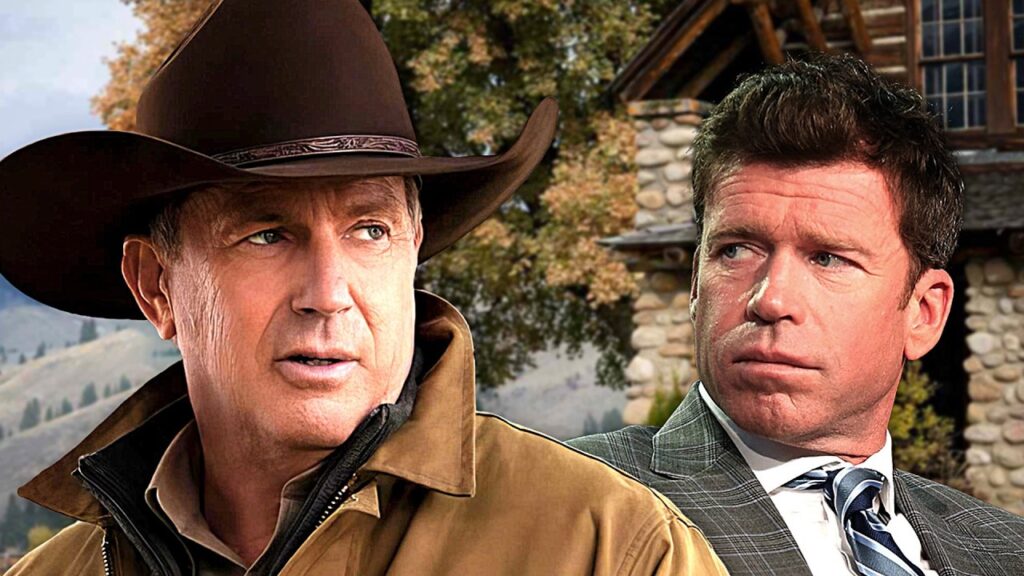
Here’s where it gets interesting because the narrative really depends on who you ask. And everybody’s got a different version of the story.
Costner’s Version: “I Didn’t Leave”
Let’s start with what Kevin Costner actually said. He was pretty clear about this. His statement: “I didn’t leave. I didn’t quit the show.” That’s important. He’s not admitting defeat. He’s saying circumstances forced his hand.
He’s maintained that he offered one full week to shoot his scenes. One solid week of work. He says he was willing to make it happen. But the problem was that Taylor Sheridan and Paramount couldn’t deliver the scripts in time to make it work with his other commitments.
Never intended to abandon the show, he said. Horizon was never meant to compete with Yellowstone. It was supposed to be complementary. Another Western story. Another project he cared about. But not a replacement.
His lawyer Marty Singer backed this up publicly. Singer released a statement that was actually pretty strong. He called out the rumors about Costner only being willing to work one week as “an absolute lie.” Singer said people shouldn’t believe it for one second. And he pointed out that Kevin is “incredibly passionate about the show” and has always gone “way above and beyond to ensure its success.”
That’s his story. That’s what Costner’s camp is saying.
Taylor Sheridan’s Perspective: The Creator’s Frustration
On the flip side, Taylor Sheridan had his own things to say. He’s managing multiple television shows at the same time. Not just Yellowstone. He’s got Lioness. He’s got Tulsa King. He’s juggling a whole production empire.
His claim? He said he was willing to work with Costner’s timeline. He said he offered to structure the schedule around Kevin’s needs. But what he’s frustrated about? The divided attention. He felt like Costner’s focus was split between Yellowstone and Horizon. And that’s hard for a show creator to accept when he’s the guy responsible for the story.
Sheridan expressed disappointment about how it all went down. He said he was “disappointed.” Those were his actual words to The Hollywood Reporter. And he added something interesting: “It truncates the closure of his character. It doesn’t alter it, but it truncates it.”
He also made that comment about lawyers getting involved. Because once that happens, normal conversation breaks down. People get defensive. Things escalate.
What Hollywood Insiders Actually Reported
But then there’s what other people in the industry were saying. The behind-the-scenes sources who were actually there on set.
According to multiple reports, Costner’s demands for approval were excessive. That’s what insiders claimed. Not just approval over his own scenes, but approval over storylines that involved other characters too. That’s a level of control that most actors don’t get, even executive producers.
The Bentley confrontation was physical. That’s what witnesses said. We’re not talking about a heated argument. We’re talking about pushing and shoving. We’re talking about people getting physical with each other on set. That doesn’t happen unless things have broken down completely.
And here’s something interesting: sources said the show could have easily run for seven or eight seasons without Costner’s exit. That’s telling. That means the creative story wasn’t done. There was more to tell. But Costner’s exit cut it short.
Also, after Horizon tanked at the box office, insiders said Costner’s priority shifted. The financial pressure of that $100 million budget film that only made $38.7 million suddenly made Yellowstone a lower priority. That’s not speculation. That’s what people close to the production reported.
The John Dutton Death: What Actually Happened (Spoiler Warning!)
Okay, so if you haven’t watched the Season 5B premiere of Yellowstone, I’m about to ruin it for you. Serious spoiler warning.
How John Dutton Dies
The episode opens and John Dutton is already dead. We don’t get to see him get killed. We just find out after the fact. He’s found dead at his home. At first, it looks like suicide. Police are swarming. The scene is set up to look self-inflicted.
But here’s the twist: it wasn’t suicide. It was murder staged as suicide. Jamie Dutton, his own son, conspired with Sarah Atwood to hire assassins to kill John. Jamie thought his dad was going to kill him first, so he got there first. It’s dark. It’s brutal. It’s exactly the kind of Yellowstone drama fans had come to expect.
But what’s really interesting? Costner didn’t know how they were going to kill off his character. He found out the same time everyone else did. When the episode aired. He literally watched his own character die without having had any input on how it happened.
Costner’s Reaction to His Own Death
Costner’s response to how they killed John Dutton was pretty telling. He said something along the lines of: “I didn’t see it. I heard it’s a suicide, so that doesn’t make me want to rush to go see it.”
He correctly guessed it was a red herring. He knew something else was going on. But he also expressed disappointment. He said he was disappointed about the truncated closure. The ending felt rushed because of his departure. Because they didn’t have him around to properly close out his storyline.
Here’s the thing though: he accepted it. He acknowledged that these were their business decisions. That he’d made his choice to leave, and they made their choice about how to handle his character. He said he hadn’t watched the episodes since leaving. And honestly? He doesn’t seem to want to.
The Horizon Film: Why This Matters So Much
Alright, let’s talk about Horizon: An American Saga. Because this is the whole reason Kevin Costner sacrificed Yellowstone. And it’s important to understand what he was sacrificing everything for.
Costner’s Dream Project
This wasn’t just another film role. Kevin Costner wrote this film. He directed it. He produced it. He starred in it. He had his fingerprints all over it. This was his baby. His passion project. Something he’d been dreaming about making for years.
It’s a four-part Western series about the Civil War. Massive budget. We’re talking $100 million. Other stars in it included Sienna Miller, Sam Worthington, and Giovanni Ribisi. This wasn’t some small indie production. This was a major film project.
And Costner wanted to make it complementary to Yellowstone. Not competitive. He wasn’t trying to undermine the show that had given him a career renaissance. He was trying to do his own thing while still being part of the Yellowstone universe.
The Box Office Reality: A Massive Flop
Here’s where the story gets really sad, honestly. Because Horizon: An American Saga Chapter 1 came out in June 2024. And it bombed. Hard.
The budget was $100 million. Some reports say it was $50 million. Either way, it was huge. But the box office? Chapter 1 made only $38.7 million. That’s a massive loss. That’s a disaster financially. That’s the kind of failure that makes studio executives and producers panic.
Because of that failure, Chapter 2 got pulled from the release schedule. It’s already been filmed. It’s sitting on a shelf. But instead of releasing it in theaters, they’re trying to let people watch Chapter 1 on streaming first. Maybe build momentum that way.
Chapter 3? Still filming. Nobody knows when it’ll be done or when it’ll come out. Chapter 4, the planned finale of Costner’s grand Western saga? Production hasn’t even started.
Was It Worth It?
That’s the real question, isn’t it? Kevin Costner sacrificed Yellowstone for Horizon. He walked away from a show that was giving him steady income and consistent work. And for what? A film project that lost tens of millions of dollars?
Costner’s defended it as a passion project. He’s said it wasn’t about career strategy. It was about doing something he believed in. But viewers can’t help but wonder if he regrets it. If, looking back, he wishes he’d just stuck with Yellowstone.
We’ll probably never know his true feelings. But the box office numbers don’t lie. Horizon underperformed massively. And Yellowstone continued on without him. So by almost any measurable metric? It seems like he made the wrong bet.
The Wes Bentley Fight: The On-Set Drama That Changed Everything
Let me talk about the incident that really shows how broken things had become between Kevin Costner and the rest of the Yellowstone production. This is where things got physical. This is where professional relationships completely broke down.
What Actually Happened
There was a scene being filmed. An important scene. Emotional and physically demanding. Wes Bentley was involved. Kelly Reilly was there. And Kevin Costner was in it too.
But Costner had a problem with how the scene was written. He wanted Bentley to perform it differently. Not according to Taylor Sheridan’s script. But according to how Costner thought it should be done.
Bentley pushed back. And he did it in a pretty clear way. He basically said something like: “You’re on Taylor Sheridan’s show, not on your show.” That was the moment things escalated. Because Costner was an executive producer. He had status. And he was used to having his ideas carried out.
The Physical Confrontation
According to witnesses, things got out of hand fast. They were in each other’s faces. Pushing. Shoving. Getting heated. This wasn’t just an argument. This was physical tension that boiled over.
Someone had to physically separate them. They had to get between these two grown men to keep the situation from getting worse. And Kelly Reilly witnessed the whole thing. She was on set. She saw the confrontation. And it upset her so much that she was brought to tears.
That’s not normal on a professional film or television set. That’s a breakdown. That’s a sign that things have deteriorated completely.
Bentley’s representatives said later that the issues between the two actors were “discussed and resolved.” So maybe they cleared the air afterward. Maybe they worked things out. But that incident? That showed the tension that was bubbling beneath the surface.
Why This Matters
This fight shows something really important. It shows that Costner’s creative control issues weren’t abstract. They were real. They were affecting the daily work environment. Other actors were being forced to deal with his demands. Other cast members were being put in uncomfortable positions.
His executive producer status gave him leverage. But that leverage wasn’t being used just to improve his own scenes. It was being used to control how other people performed their roles. And the cast wasn’t okay with that.
This incident is part of a larger pattern. It’s part of a culture where Costner was trying to take control of a show that wasn’t really his. And the more he tried, the more resistance he faced. The more tension built up.
Yellowstone’s Future Without John Dutton
So the big question everyone’s asking: can Yellowstone actually survive without Kevin Costner?
Can the Show Function Without Him?
Taylor Sheridan says yes. In fact, he said that was always the plan. The whole point was to eventually see if the Dutton kids could run the ranch without their patriarch. He said: “Can these kids do it without him?”
Luke Grimes, who plays Kayce Dutton, gave an interesting quote about the new direction. He said the show “ramps up to a 10” now. Because with John dead, everything falls apart. Everything starts to unravel. The family has to fight for control. There’s chaos and confusion and betrayal.
Actually, that might be more interesting than having John around to hold everything together. You’ve got Beth scheming. You’ve got Kayce trying to be honorable. You’ve got Jamie consumed with guilt. You’ve got actual conflict and stakes now.
The Spinoff Universe Expands
But here’s the thing: Yellowstone as a franchise doesn’t need Kevin Costner. Because Sheridan’s already building this entire universe around the Dutton family.
There’s 1883 and 1923, which are prequels. Those already aired. They tell the story of earlier generations of Duttons. They’re already established in the universe.
But there’s more coming. Y: Marshals is a spinoff starring Luke Grimes as Kayce Dutton, but in a new capacity. The Dutton Ranch is a spinoff focused on Beth and Rip, with Kelly Reilly and Cole Hauser reprising their roles. And then there’s The Madison, which follows a completely new family, led by Michelle Pfeiffer.
So the Yellowstone universe keeps expanding. There’s more stories to tell. More characters to explore. Costner’s absence doesn’t kill the franchise. If anything, it opens up new possibilities.
FAQs About Why Did Kevin Costner Leave Yellowstone
Let me answer some of the questions people keep asking about Why Did Kevin Costner Leave Yellowstone.
Did Kevin Costner Actually Want to Leave?
Not exactly. He claims he didn’t want to leave. He says he was willing to stay. But circumstances made it impossible. The 14-month hiatus, combined with his Horizon commitments, created a scheduling conflict he couldn’t resolve. So did he choose to leave? Kind of. Did he want to? Probably not. It’s complicated.
Could Kevin Costner Ever Return to Yellowstone?
Highly unlikely. John Dutton is dead. And not just dead in the sense that he’s off-screen. Dead with a bullet in his head, murdered by his own son. There’s not really a way to come back from that. Plus, once lawyers get involved and relationships deteriorate to that degree, it’s really hard to repair them. Even if the character somehow survived, the personal relationships probably couldn’t survive a return.
Who Was Right in This Situation?
Both of them have valid points. Costner had legitimate scheduling conflicts. He couldn’t be in two places at once. But Sheridan also has a point about creative control. It’s his show. His creation. He can’t just hand over approval rights to every actor who has a strong vision.
The truth is probably somewhere in the middle. Costner was in a difficult position with Horizon. But he also handled the Yellowstone situation poorly by trying to exert too much control. Sheridan had a right to protect his creative vision. But he also could have been more flexible given the circumstances.
Was Horizon Worth Sacrificing Yellowstone?
The box office numbers suggest no. A $100 million budget film that made $38.7 million is a disaster. That’s a loss of tens of millions of dollars. If Costner had stayed on Yellowstone, he’d have steady income, consistent work, and a show that’s still massively popular. Instead, he’s got unfinished film projects and a massive financial failure attached to his name.
But passion projects don’t always work out. Sometimes you believe in something and it doesn’t succeed. That doesn’t mean it wasn’t worth trying. It just means the risk didn’t pay off.
The Real Story Behind the Headlines
Here’s what everyone’s missing in their coverage of this whole thing. They focus on the drama. They focus on the on-set fights and the money disputes and the creative differences. But the real story is simpler and more tragic than that.
Kevin Costner got caught between two commitments. He had Yellowstone, a show he loved, a show that gave him an incredible career resurgence. And he had Horizon, a passion project he’d been dreaming about for years. Both were important to him. Both required massive time commitments.
The 14-month production hiatus created a situation where he couldn’t do both. Not properly. Not at the level he demanded of himself. So he had to choose.
And here’s the thing: he chose the passion project. The film. The thing that was uniquely his. And that choice cost him Yellowstone.
But it also reveals something about how Hollywood works. It shows how quickly relationships can deteriorate when money and creative control get involved. It shows how one bad contract negotiation can destroy something that was working. And it shows how, sometimes, circumstances beyond anyone’s control can force impossible decisions.
Kevin Costner walked so that Yellowstone could continue its story. The show’s going to survive without him. He’s dealt with the fallout from his failed film franchise. And everybody’s kind of stuck with their choices.
What This Means for Yellowstone Fans Moving Forward
If you’ve been watching Yellowstone, you’re probably still processing John Dutton’s death. You’re probably wondering what comes next. How the show moves forward without its patriarch.
But that’s actually the point of where they’re taking the story. The show was always going to be about whether the Dutton kids could run the ranch without their father. The question wasn’t if John would die. It was how he’d die. And when.
With him gone, the stakes are real. There’s no safety net. There’s no John Dutton to fix things. It’s just the kids trying to hold together what their father built.
The spinoffs will continue the Dutton legacy in other ways. New time periods. New characters. New stories. So the universe doesn’t end just because one actor left one show.
This whole situation is a reminder that nothing lasts forever. Even shows we love will eventually change. Even actors we can’t imagine in certain roles will eventually move on. All we can do is enjoy the ride while it lasts and see where the story goes next.
The Bottom Line
Kevin Costner left Yellowstone because of a perfect storm of circumstances. Scheduling conflicts from the 14-month production hiatus. Creative control demands that Sheridan wasn’t willing to grant. Money disputes and contract negotiations that went sideways. And an on-set conflict that showed everyone the tension had gone too far.
Was he right to leave? Was Sheridan right to refuse his demands? Honestly, there’s no clear answer. Both sides have legitimate arguments. Both sides probably could have handled things differently.
But what we know for certain: Kevin Costner sacrificed one of his most consistent and popular roles for a passion project that didn’t succeed. The show survived without him. The character died. And the Yellowstone universe keeps expanding in new directions.
Sometimes in Hollywood, there are no winners. There are just choices and consequences. And Kevin Costner, for better or worse, made his choice.
The real question now is whether he regrets it. And only he can answer that.