You know what’s funny? One day you’re just… living your life. Going about your business. And then—BAM—the entire internet knows who you are. That’s exactly what happened to Yvette Amos back in January 2021. And honestly? Her story tells us so much about our digital world, about privacy, about those weird little moments that define internet culture.
Let me walk you through this whole thing. Because it’s not just about what happened—it’s about WHY it matters, even now in 2026.
Table of Contents
Quick Biography: Yvette Amos at a Glance
| Detail | Information |
|---|---|
| Full Name | Yvette Amos |
| Location | Cardiff, Wales, United Kingdom |
| Known For | BBC Wales Today viral interview (January 2021) |
| Age During Incident | Early 30s (estimated) |
| Occupation | Part-time bar worker, freelancer |
| Viral Date | January 26, 2021 |
| Platform | BBC Wales Today |
| Social Media Status | Private/Limited public presence |
| Current Status (2026) | Living privately, away from spotlight |
Who is Yvette Amos? The Woman Behind the Viral Moment
So here’s the thing about Yvette Amos—she wasn’t looking for fame. Not even close.
Before that BBC Wales interview changed everything, she was just another person in Cardiff trying to navigate life during the COVID-19 lockdown. Like millions of others. Working part-time at a local bar (when it was even open, which wasn’t often). Maybe doing some freelance work on the side. Living with housemates in a shared apartment because, well, that’s reality for most people in their thirties these days.
Yvette Amos from Wales wasn’t a public figure. Wasn’t an influencer. Didn’t have thousands of followers waiting for her next post. She was… normal. Relatable. Someone who could’ve been your neighbor, your coworker, your friend from university.
And that’s part of what made her viral moment so powerful, you know? Because when it happened, people didn’t see a celebrity making a mistake. They saw themselves. They saw their own messy apartments, their own cluttered shelves, their own “oh crap, I forgot that was there” moments during video calls.
The pandemic had forced everyone into these weird intimate spaces. Your bedroom became your office. Your kitchen table became your conference room. Your bookshelf? Well, that became your background. And sometimes—just sometimes—you forgot to check what was actually ON that bookshelf before going live on national television.
The Viral BBC Wales Interview That Shocked Viewers
January 26, 2021. A Tuesday evening. Nothing particularly special about it, right?
BBC Wales Today was running a segment about unemployment during the pandemic. They wanted to talk to real people, get real stories. Because the statistics were devastating—millions had lost their jobs, entire industries had collapsed, and young people were especially struggling to find work.
Yvette Amos agreed to do a video call interview. She’d talk about her experiences with pandemic unemployment, about trying to find work, about the mental health challenges that came with economic uncertainty. Important stuff. Stuff that needed to be discussed.
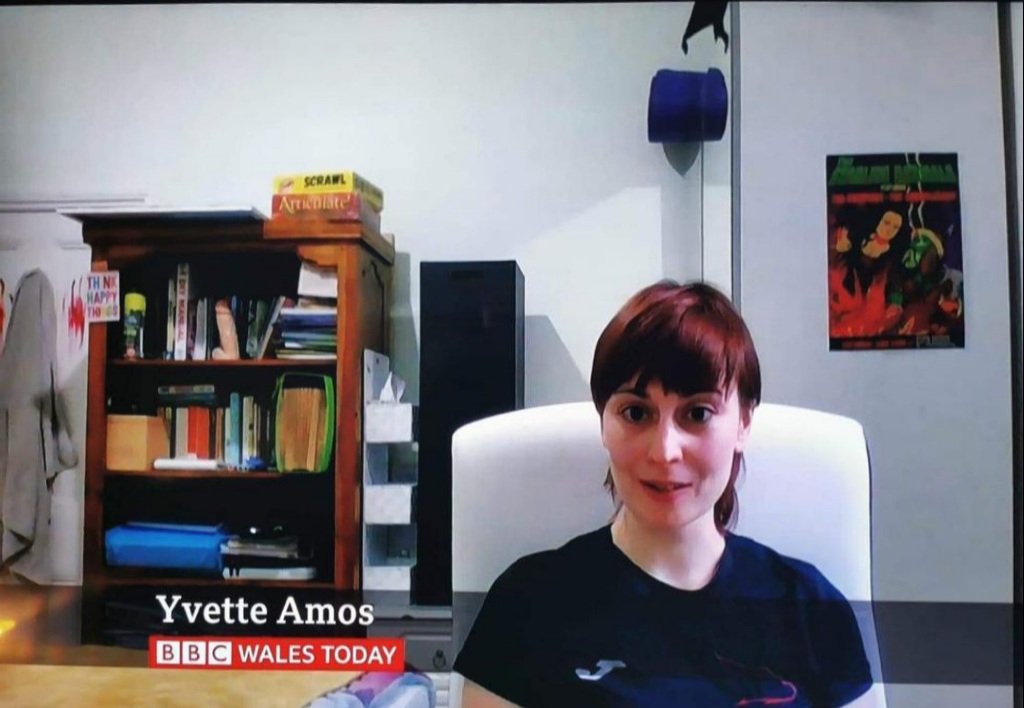
So there she was. On camera. Speaking thoughtfully about serious issues affecting her and countless others. Her video feed showed her sitting in what looked like a typical apartment—books behind her, some board games, various objects on shelves. The kind of background you’d see in literally any Zoom call during 2021.
Except.
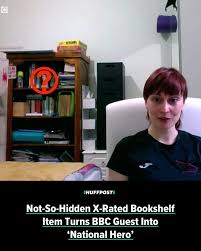
Eagle-eyed viewers noticed something. Something that definitely wasn’t a book or a board game. Sitting right there on the top shelf, plain as day, was what appeared to be a large pink… well… a sex toy. Just sitting there. In full view. On live television.
The BBC Wales Today broadcast continued. The interview went on. Yvette Amos spoke eloquently about unemployment, about mental health resources, about the struggles facing her generation. She had no idea what was happening online.
Because while she was talking about serious social issues? Twitter was EXPLODING.
How Social Media Exploded Over the Background Detail
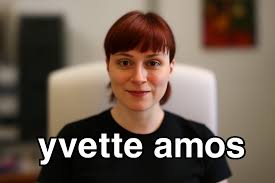
Here’s where things get wild. And I mean WILD.
Grant Tucker, a British journalist, was watching the broadcast. He spotted the object in the background and—well—he did what any journalist in 2021 would do. He screenshotted it and posted it to Twitter.
His tweet? “Perhaps the greatest guest background on the BBC Wales news tonight. Always check your shelves before going on air.”
That tweet went absolutely viral. We’re talking thousands of retweets within hours. Then tens of thousands. The image spread to Reddit, to Instagram, to Facebook, to every corner of the internet where people gather to laugh at unexpected moments.
The Yvette Amos BBC moment became THE talking point. People couldn’t stop sharing it, commenting on it, memeing it. Some reactions were genuinely funny. Others were supportive. Some were… well, let’s just say not everyone was kind.
“Absolutely screamed the house down watching this live last night,” one viewer wrote. You can feel the shock in those words, right?
Another person joked: “If a woman’s home alone in lockdown, she’s gotta do what she’s gotta do.” Which honestly? Fair point.
But then came the debate. Oh boy, the DEBATE.
Was it intentional? Some people absolutely insisted it was. “Obviously a wind up,” they claimed. “There’s no way this wasn’t purposeful.” Because in their minds, nobody could possibly forget something like that was visible on their shelf, right?
Others defended her fiercely. “Please tell me this is photoshopped?” someone asked, hoping it wasn’t real, hoping this woman wouldn’t have to deal with the embarrassment.
The Yvette Amos Twitter moment became a cultural touchstone. It represented so many things happening simultaneously—the invasion of privacy that comes with working from home, the scrutiny of video calls, the way social media can take someone’s worst moment and amplify it to millions.
Reddit threads dissected every angle. TikToks recreated the moment. Memes proliferated. The Yvette Amos background became shorthand for “always check your Zoom background before important calls.”
And here’s what’s interesting—the conversation split into two distinct camps. One group laughed. Made jokes. Created endless memes. The other group? They felt sympathy. They’d been there, maybe not in exactly the same way, but they’d had their own Zoom fails, their own embarrassing video call moments during the pandemic.
“My latest addiction is staring at people’s houses on zoom when my kids do online clubs. Have you seen the dildo on a bookshelf during BBC Wales?” someone wrote. Which really captures the bizarre voyeuristic nature of pandemic video culture, doesn’t it?
The viral interview became bigger than Yvette Amos herself. It became a symbol of the pandemic era, of the blurred boundaries between public and private, of how quickly someone could become an internet sensation for something completely unintended.
Major news outlets picked up the story. The Daily Star covered it. Yahoo Style Singapore ran an article. North Wales Live published a detailed piece. International media from India to Australia reported on the BBC guest who went viral for all the wrong reasons.
The Yvette Amos viral moment wasn’t just trending—it was EVERYWHERE. And she probably had no idea until someone told her, until she opened her phone and saw herself as a trending topic, saw strangers discussing her private life, her apartment, her possessions.
Yvette Amos’s Life Before Internet Fame
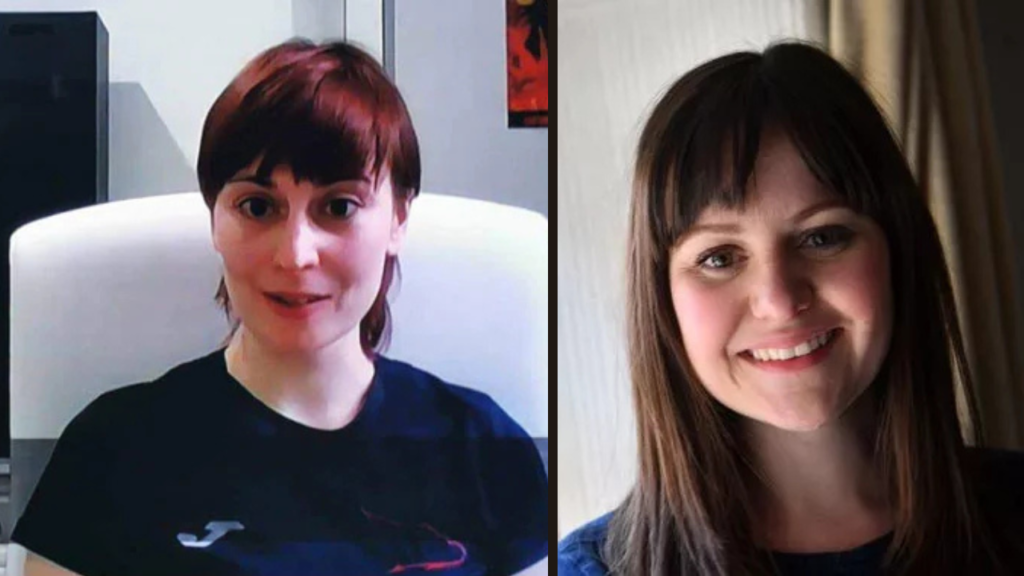
Let’s rewind. Let’s talk about who Yvette Amos actually was before January 2021 turned her into an internet sensation.
She was living in Cardiff Wales, probably had been for a while. Cardiff’s a great city—vibrant, affordable compared to London, good music scene, decent job market under normal circumstances. But these weren’t normal circumstances, were they?
Before the pandemic? She’d been working in hospitality. Maybe bartending, maybe serving, maybe managing. The kind of work that’s actually pretty skilled if you think about it—dealing with difficult customers, managing inventory, handling cash, keeping things running smoothly during rush periods.
But then COVID-19 lockdown hit. And hospitality? One of the first industries to completely shut down. Pubs closed. Restaurants closed. Bars closed. Millions of hospitality workers suddenly found themselves unemployed overnight.
That’s where Yvette Amos was when she agreed to do that BBC Wales interview. She was one of millions dealing with pandemic unemployment. Trying to figure out what came next. Applying for jobs that didn’t exist. Watching her savings dwindle. Dealing with the mental health toll of economic uncertainty.
She might’ve been doing some freelance work. Maybe writing, maybe graphic design, maybe virtual assistance—the kinds of gig economy jobs that exploded during lockdown. Working from her shared apartment, trying to make ends meet, trying to stay positive despite everything.
Her housemates were probably in similar situations. Because that’s how it was in 2021, right? Young people crammed into shared housing, all trying to work from home simultaneously, all dealing with the weird intimacy of constant proximity during lockdown.
The apartment she lived in? Typical for someone in her age bracket and economic situation. Not luxury. Not bare bones either. Just… normal. Books on shelves because she liked reading. Board games because her housemates had game nights. Personal items scattered around because it was her HOME, not a studio set designed for television.
And that’s the crucial thing to understand about Yvette Amos’s life before internet fame—she wasn’t performing. She wasn’t curating. She was just existing in her space, the same way millions of other people were existing in theirs during the pandemic.
She agreed to talk to BBC Wales Today because she genuinely wanted to discuss unemployment issues. She wanted to advocate for better mental health resources. She wanted to share her story because maybe—just maybe—it could help highlight the struggles facing her generation.
That was her intention. That was her purpose. Talk about serious social issues. Contribute to an important conversation. Help people understand what unemployment during the pandemic actually felt like.
She wasn’t trying to go viral. She wasn’t trying to become a meme. She wasn’t trying to become “the BBC Wales guest with the thing on her shelf.” She was trying to do something meaningful.
What Happened to Yvette Amos After Going Viral?
Here’s where things get really interesting. Because what happened to Yvette Amos after the viral moment? Not much that we can see publicly.
And honestly? That’s probably exactly what she wanted.
Unlike so many people who catch internet fame and immediately try to monetize it—launch an OnlyFans, start a podcast, become an influencer, sell merchandise—Yvette Amos seemed to just… disappear.
No public statements. No interviews explaining what happened. No “setting the record straight” media tour. No attempts to leverage her unexpected notoriety into followers or fame or money.
She didn’t create social media accounts to capitalize on being “that BBC guest.” She didn’t write a blog post titled “What Really Happened During My Viral BBC Interview.” She didn’t go on talk shows or do follow-up interviews or try to extend her fifteen minutes of fame into thirty.
She just… retreated.
And you know what? Good for her. Seriously.
Because the Yvette Amos response to viral fame might be the healthiest response possible. She recognized that this wasn’t the kind of attention she wanted. This wasn’t fame on her terms. This was exposure, scrutiny, invasion of privacy. So she stepped back from it.
There’s no verified public social media presence for Yvette Amos. No Instagram account with hundreds of thousands of followers. No Twitter where she jokes about the incident. No TikTok where she recreates the moment. Nothing.
What happened to Yvette Amos in practical terms? We don’t really know. And that’s by design.
Did she eventually find employment? Probably. The UK job market recovered somewhat in late 2021 and 2022, especially in hospitality as restrictions lifted. Maybe she went back to bar work. Maybe she found something completely different.
Did she move out of that apartment? Possibly. I mean, after the whole world saw your bookshelf, you might want a change of scenery, right? Maybe she moved to a different part of Cardiff. Maybe she left Wales entirely. Maybe she’s still in the same place, just more careful about her video call backgrounds now.
Did she experience harassment or ongoing attention? Unfortunately, probably yes. Because that’s how the internet works. Even years later, that image circulates. That story gets retold. People who discover it for the first time in 2024 or 2025 might try to find her, contact her, comment on old posts.
But here’s what we can say for certain about what happened to Yvette Amos—she maintained her dignity. She didn’t let the internet define her. She didn’t become a punchline who leaned into being a punchline. She remained a private citizen who had one very public moment and then returned to private life.
The Yvette Amos net worth question that people sometimes ask? There’s no answer because there’s no public financial information. She’s not a celebrity. She didn’t monetize the moment. Whatever she’s earning, it’s from regular work, not from being “internet famous.”
And honestly? In 2026, five years after the incident, most people have probably forgotten about it. The internet moves fast. Yesterday’s viral sensation is today’s “wait, who was that again?” That’s both the blessing and the curse of internet fame—it burns bright and fades fast.
The Cultural Impact of the Yvette Amos Moment
But here’s the thing—even if Yvette Amos herself faded from public consciousness, the MOMENT didn’t. Not really.
The Yvette Amos BBC interview became part of internet folklore. It joined the pantheon of memorable Zoom fails, video call blunders, and pandemic-era mishaps that defined 2020 and 2021.
Think about all the other moments from that era. The BBC dad whose kids crashed his serious interview. The lawyer who couldn’t figure out how to turn off his cat filter during a court hearing. The politician caught not wearing pants during a video conference. These moments became cultural touchstones because they revealed something true about the pandemic experience.
The Yvette Amos moment specifically highlighted several important things:
- The erosion of public-private boundaries. Suddenly, our bedrooms were boardrooms. Our living rooms were lecture halls. We invited cameras into our most intimate spaces and then acted surprised when intimate things became visible.
- The performance of professionalism. We were all trying so hard to maintain professional appearances while literally broadcasting from our homes. The cognitive dissonance was enormous—be professional, but also be at home. Be formal, but also be in your bedroom. Be composed, but also acknowledge you’re in the middle of a global pandemic.
- The scrutiny of digital presence. People weren’t just listening to what interview subjects said anymore. They were analyzing backgrounds, looking for details, examining bookshelves, commenting on decor. Every video call became an opportunity for unwanted judgment about your living situation, your possessions, your lifestyle.
- The viral nature of embarrassment. What might have been a private oops moment in pre-internet times became a globally shared experience. The Yvette Amos viral story spread to dozens of countries, multiple languages, countless platforms. Her embarrassment was democratized, shared, communal.
- The gendered nature of public scrutiny. Let’s be real—would a man have faced the same level of attention and mockery? The conversation around the Yvette Amos background often had undertones of judgment about women’s sexuality, women’s privacy, women’s right to own certain items without public comment.
The BBC blooper became a teaching moment. Companies started creating guides about video call backgrounds. People became paranoid about what was visible behind them. The phrase “always check your background” became standard advice for anyone doing remote interviews.
In journalism schools, in communications courses, in workplace training sessions, the Yvette Amos BBC Wales moment probably got mentioned. Not to mock, but to illustrate the importance of visual awareness in the video call era.
On Reddit and Twitter, whenever someone posts about a video call fail, comments inevitably reference the BBC Wales interview. “At least it’s not as bad as the Yvette Amos situation,” people say. She became the benchmark, the standard against which all other background fails were measured.
The cultural impact extended beyond just the specific incident too. It sparked broader conversations about:
- Digital privacy. Do we have reasonable expectations of privacy when we broadcast from our homes? Where’s the line between public and private space when our private spaces become our public presentation platforms?
- Internet permanence. The Yvette Amos Twitter moment from January 2021 is still discoverable in 2026. Screenshots live forever. The internet doesn’t forget. What does that mean for ordinary people caught in viral moments?
- Empathy versus mockery. Some people defended her. Others mocked her. The divide revealed deeper attitudes about public shaming, internet culture, and how we treat people who make mistakes.
- Remote work realities. The incident highlighted that working from home isn’t the polished, professional experience corporations pretended it was. It’s messy. It’s real. It’s human.
The Yvette Amos moment became shorthand for a whole category of pandemic experiences. It represented the chaos, the unpredictability, the humanity of trying to maintain normalcy during fundamentally abnormal times.
And weirdly? It might have helped some people. Because after Yvette Amos, everyone else’s background fails seemed less catastrophic. “Well, at least I didn’t go viral on BBC Wales” became a form of consolation for minor video call embarrassments.
Lessons from Yvette Amos’s Unexpected Fame
So what can we actually LEARN from the Yvette Amos viral interview? Because beyond the jokes and the memes and the shock value, there are real lessons here.
Lesson 1: The Internet Has No Forgiveness Settings
Once something goes viral, you can’t unviral it. You can’t take it back. You can’t control it. The image of that BBC Wales Today segment with Yvette Amos exists in thousands of places across the internet. On Twitter. On Reddit. On random blogs. In screenshot folders. In meme compilations.
The lesson? Be paranoid about your digital presence. Assume everything is being recorded. Assume screenshots will be taken. Assume that your most embarrassing moment could become public. It’s exhausting, yes. But it’s reality in 2026.
Lesson 2: Context Disappears in Viral Moments
Yvette Amos was trying to discuss serious issues—unemployment, mental health, economic struggle during the pandemic. That context completely disappeared. Nobody remembers what she actually SAID. They remember what was on her shelf.
The lesson? Viral moments strip away nuance. They reduce complex situations to single images. If you’re doing something public, assume that any element of your presentation could become THE element people focus on.
Lesson 3: You Don’t Have to Engage with Fame You Didn’t Ask For
The Yvette Amos response to going viral was to… not respond. To refuse engagement. To maintain privacy. And that’s actually revolutionary in an era where everyone is expected to perform their life online.
The lesson? You don’t owe the internet anything. You don’t have to explain yourself. You don’t have to monetize your embarrassment. You can simply decline to participate in your own viral moment. That’s a valid choice.
Lesson 4: Check Your Background (Obviously)
This one’s practical. Before any video call—especially any recorded or broadcast video call—do a thorough background check. Look at everything visible in your camera frame. Better yet, use a virtual background or blur your actual background.
The lesson? The Yvette Amos background blunder could’ve been prevented with two minutes of preparation. Two minutes. That’s all it takes to scan your visible space and remove anything potentially problematic.
Lesson 5: People Will Judge Your Private Space
Once you broadcast from home, your home becomes fair game for public comment. People WILL judge your decorating choices. They WILL comment on your bookshelf. They WILL notice details you’d never think twice about.
The lesson? When your private space becomes your public background, curate it accordingly. Remove anything you wouldn’t want the entire internet discussing. Because they will discuss it.
Lesson 6: Empathy Is Optional on the Internet (But Shouldn’t Be)
The reactions to Yvette Amos ranged from cruel mockery to genuine sympathy. Some people piled on. Others defended her. The internet revealed its best and worst impulses simultaneously.
The lesson? Choose empathy. Choose kindness. Remember there’s a real person behind every viral moment. Someone who’s probably mortified. Someone who’s dealing with unexpected scrutiny. Be the person who offers support, not the person who adds to the mockery.
Lesson 7: Fame Isn’t Always Desirable
We live in a culture that treats fame as the ultimate goal. But Yvette Amos’s story shows that unwanted fame, uncontrolled fame, fame that comes from embarrassment rather than achievement—that’s not desirable at all.
The lesson? Not all attention is good attention. Sometimes obscurity is better than notoriety. Sometimes being unknown is preferable to being “that person who went viral for the wrong reasons.”
Lesson 8: The Medium Is Part of the Message
The video call format itself contributed to what happened. The necessity of broadcasting from home. The intimacy of the camera angle. The way technology forced private spaces into public view.
The lesson? Understand the medium you’re using. Video calls have different risks than in-person meetings. Broadcasting from home has different implications than broadcasting from a studio. The format shapes what can go wrong.
Lesson 9: Recovery Is Possible
Yvette Amos didn’t let this moment define her entire life. She moved on. She maintained privacy. She presumably continued living her life. The viral moment didn’t destroy her—it was just an incredibly uncomfortable blip.
The lesson? You can recover from viral embarrassment. It feels catastrophic in the moment, but it passes. The internet moves on. Life continues. You’re more than your worst moment, even when that worst moment was broadcast to millions.
Lesson 10: The Story We# Tell Matters
The Yvette Amos story could be told as cruel mockery. Or it could be told with empathy and understanding. The way we frame viral moments reflects our values as a society.
The lesson? We choose how to tell these stories. We can ridicule people caught in embarrassing moments, or we can recognize their humanity. We can pile on, or we can offer grace. The choice is ours.
Frequently Asked Questions About Yvette Amos
Who is Yvette Amos?
Yvette Amos is a woman from Cardiff, Wales who became an internet sensation in January 2021 after appearing on BBC Wales Today to discuss unemployment during the COVID-19 pandemic. During the interview, viewers noticed an unusual object on a bookshelf in her background, which quickly went viral on social media. She was working part-time in hospitality at the time and living with housemates in Cardiff.
What happened during the Yvette Amos BBC interview?
During a live interview on BBC Wales Today on January 26, 2021, Yvette Amos was discussing unemployment and mental health issues during the pandemic. Viewers noticed what appeared to be a sex toy visible on a shelf behind her. The moment was captured in screenshots and shared widely on Twitter, Reddit, and other social media platforms, making her an overnight internet sensation.
Did Yvette Amos respond to going viral?
No. Yvette Amos did not issue any public statements or do follow-up interviews about the incident. She maintained her privacy and did not attempt to capitalize on or explain the viral moment. This silence was actually praised by many who felt she handled the situation with dignity.
Was the Yvette Amos BBC moment intentional?
There’s no evidence it was intentional. Most people believe it was a genuine oversight—she simply forgot to check what was visible on her shelves before going live on television. During the pandemic, many people were doing video calls from home without the usual studio preparation, making such mistakes more common.
What happened to Yvette Amos after she went viral?
After going viral, Yvette Amos retreated from public attention. She did not create social media accounts to monetize the moment, didn’t do media appearances, and maintained her privacy. Her current activities and whereabouts remain private, which appears to be by her own choice.
What is Yvette Amos’s net worth?
There is no public information about Yvette Amos’s net worth. She is not a public figure or celebrity, and she did not monetize her viral moment. Any claims about her net worth online are pure speculation without factual basis.
Where is Yvette Amos now in 2026?
Yvette Amos’s current location and activities are not publicly known. She has maintained privacy since the 2021 incident and there have been no verified public updates about her life. She may still be in Cardiff, Wales, or may have relocated, but this information isn’t publicly available.
Why did the Yvette Amos interview go viral?
The interview went viral because of the unexpected and embarrassing object visible in her background during a serious news segment. The contrast between the serious topic being discussed and the humorous nature of the background detail made it particularly shareable on social media. Journalist Grant Tucker’s initial tweet sharing a screenshot helped propel it to viral status.
How did people react to the Yvette Amos viral moment?
Reactions were mixed. Some people found it hilarious and created memes. Others felt sympathy for her embarrassment and defended her right to privacy. Many people related to it as a common pandemic experience of video call mishaps. The incident sparked broader conversations about remote work, digital privacy, and internet culture.
What lessons can we learn from the Yvette Amos BBC incident?
The main lessons include: always check your background before video calls, understand that viral moments can happen to anyone, maintain your privacy if you experience unwanted fame, and treat people caught in embarrassing viral moments with empathy rather than cruelty. It also highlighted the blurred boundaries between public and private life during remote work.
Is the Yvette Amos BBC clip still a#vailable online?
While the original broadcast may be difficult to find, screenshots and images from the interview continue to circulate on social media and various websites. The viral nature of the moment means it has been preserved in countless places across the internet, despite being from 2021.
Did BBC Wales comment on the Yvette Amos interview?
There is no record of BBC Wales issuing an official statement about the incident. News organizations typically don’t comment on background details in guest interviews, especially when the guest is a private citizen rather than a public figure.
Conclusion: The Lasting Legacy of an Unintended Moment
Five years later, here we are. Still talking about Yvette Amos. Still referencing that BBC Wales interview. Still using it as the benchmark for video call fails.
But what’s the real story here? It’s not about what was on that shelf. Not really.
It’s about how quickly everything changed during the pandemic. How our private spaces became public. How video calls forced us into uncomfortable vulnerability. How the internet can take someone’s worst moment and amplify it beyond imagination.
It’s about a woman who agreed to discuss serious issues—unemployment during the pandemic, mental health resources, economic struggle—and ended up becoming known for something completely unrelated to her message. That’s the tragedy of it, honestly. Her actual words, her actual concerns, her actual contribution to important conversations—all of that got lost.
The Yvette Amos viral moment represents so much more than one embarrassing detail. It represents the chaos of 2021. The stress of living through a pandemic. The impossible standards we held people to while simultaneously acknowledging nothing was normal. The way we performatively pretended everything was fine while broadcasting from bedrooms we’d been trapped in for months.
She became an internet sensation without wanting it, without seeking it, without benefiting from it. And then she did something remarkable—she refused to let it define her. She maintained her privacy. She moved on. She didn’t become a professional viral personality. She just… lived her life.
There’s something admirable about that. In an era where everyone tries to monetize every moment, where personal embarrassment becomes branded content, where viral fame is treated as career advancement—Yvette Amos said no. She declined to participate in her own commodification.
So what’s her legacy? Maybe it’s this: you’re more than your most embarrassing moment. You don’t owe the internet explanations. You can maintain dignity in the face of massive public scrutiny. You can be a private person even after a very public incident.
The woman who went viral on BBC Wales taught us that sometimes the best response to unwanted fame is no response at all. Sometimes the most powerful thing you can do is simply refuse to engage, refuse to explain, refuse to perform your embarrassment for entertainment.
Wherever Yvette Amos is in 2026—whether she’s still in Cardiff Wales or somewhere else entirely, whether she’s working in hospitality again or found a completely different path, whether she looks back on that BBC interview with horror or humor or indifference—she deserves to be remembered as more than a background blunder.
She deserves to be remembered as someone who tried to advocate for important issues during a difficult time. As someone who handled unexpected scrutiny with grace. As someone who reminded us that behind every viral moment is a real person deserving of empathy and respect.
The Yvette Amos BBC guest story from 2021 might make people laugh. It might make them cringe. It might make them double-check their own video call backgrounds. But hopefully, it also makes them think twice before sharing, mocking, or piling onto the next viral moment.
Because that could be any of us. That WAS any of us, in different ways, during the pandemic. We all had our Zoom fails, our background blunders, our moments where private life invaded public presentation.
The difference? Most of ours didn’t end up on BBC Wales Today.